
Kneehill Agriculture
Kneehill Agriculture Free Range Brown Eggs
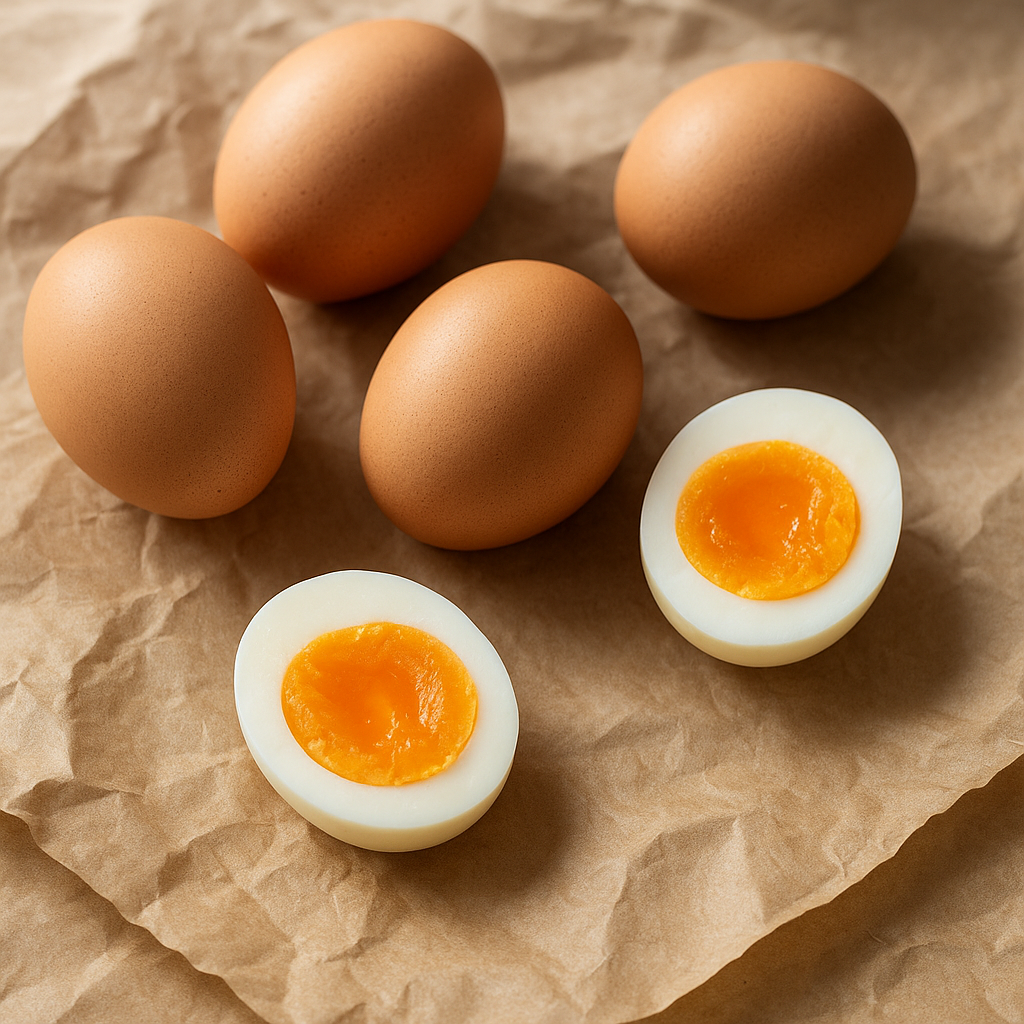
What it is
These are brown eggs laid by hens that have access to the outdoors. The hens are able to roam and forage, which can influence the quality and flavor of the eggs. They are a staple in many kitchens for their versatility and natural goodness.
How people cook with it
Eggs are a fundamental ingredient for countless dishes, both sweet and savory. They can be prepared in numerous ways or incorporated into larger recipes.
- Scrambled for breakfast
- Baked into cakes
- Fried for sandwiches
- Whisked into sauces
Eggs can be cooked using a variety of methods. For a simple meal, they can be fried, scrambled, or poached. They are also essential for baking, acting as a binder and leavening agent in cakes, cookies, and breads. In savory cooking, they can be used to create custards, quiches, and omelets. The yolk can be emulsified into sauces like hollandaise or mayonnaise, while the whites can be whipped to add airiness to meringues and mousses. Their adaptability makes them a go-to for many culinary creations.
How it differs from similar foods
The primary difference from conventional eggs is the free-range aspect, indicating the hens' access to outdoor space. Brown shells are a result of the hen's breed, not a difference in internal quality or flavor compared to white eggs. The diet of free-range hens may lead to subtle variations in yolk color and richness.
Who it is for
Home cooks and professional chefs alike rely on these eggs for their everyday cooking and baking needs.
How to keep the rest
To maintain freshness, store the remaining eggs in their original carton in the refrigerator. Keep them on a shelf rather than the door to ensure a consistent, cold temperature. This will help preserve their quality for several weeks.