
Grocery
Fragrant Jasmine Rice
What it is
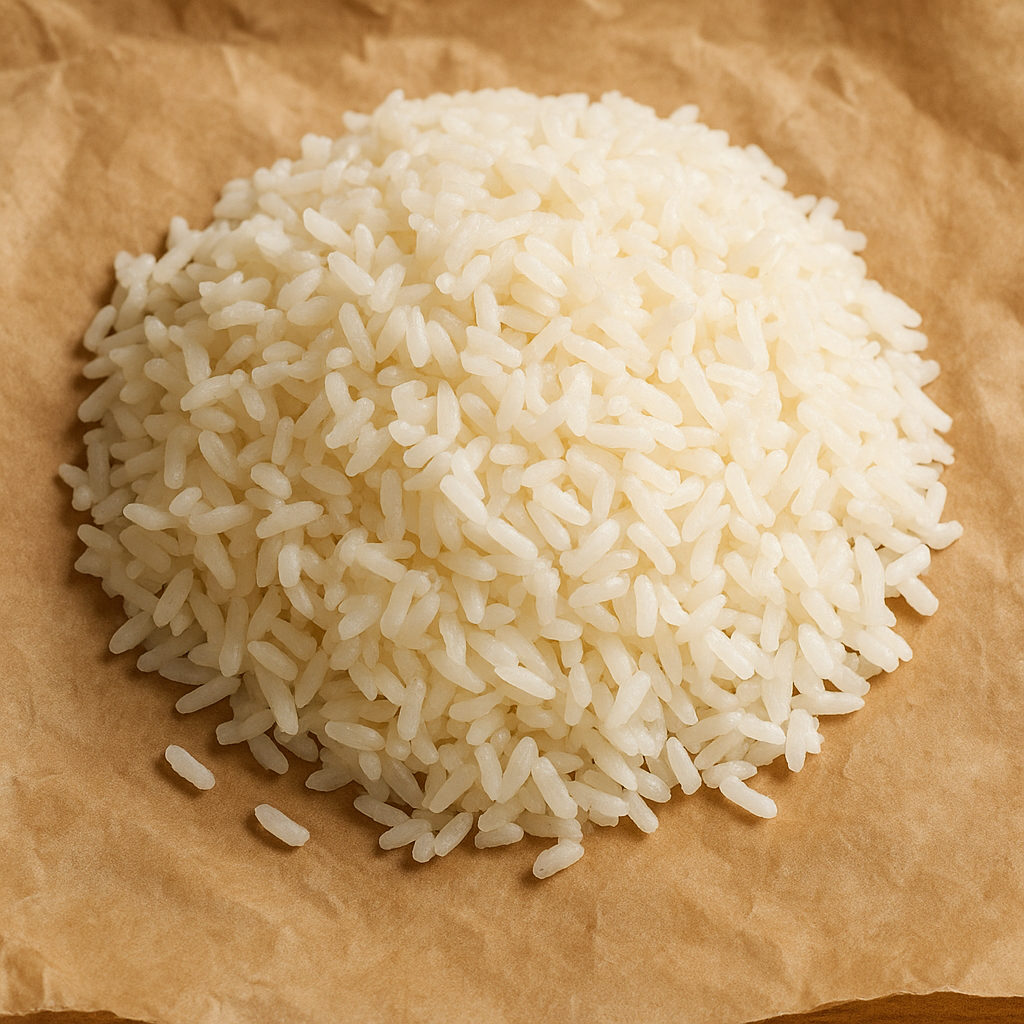
This is a type of long-grain rice known for its distinct floral aroma and slightly chewy texture. It is a staple in many Asian cuisines and is prized for its delicate fragrance that intensifies when cooked. The grains remain separate and fluffy, making it an ideal base for a variety of dishes. It is a naturally occurring grain, processed for consumer use.
How people cook with it
Jasmine rice is incredibly versatile and serves as a perfect accompaniment to many meals.
- Serve with curries
- Pair with stir-fries
- Use in fried rice
- Enjoy with grilled meats
To cook, rinse the rice under cold water until the water runs clear. Combine one part rice with 1.5 parts water in a saucepan. Bring to a boil, then reduce heat to low, cover, and simmer for about 15-20 minutes, or until the water is absorbed and the rice is tender. Let it steam, covered, for 5 minutes off the heat before fluffing with a fork. This method ensures the rice is cooked evenly and retains its signature aroma.
How it differs from similar foods
Jasmine rice differs from other rice varieties due to its natural fragrance, often described as popcorn-like or floral. Its texture is softer and more tender than basmati rice, and its grains are less sticky than short-grain varieties. This unique combination of aroma and texture sets it apart.
Who it is for
Home cooks and professional chefs alike choose jasmine rice for its appealing fragrance and texture.
How to keep the rest
Store uncooked jasmine rice in a cool, dry place in an airtight container to maintain its freshness and prevent moisture absorption. Once cooked, refrigerate any leftovers within two hours and consume within three days. Ensure it is properly sealed to prevent spoilage.