
Grocery
Beef Fillet Steak
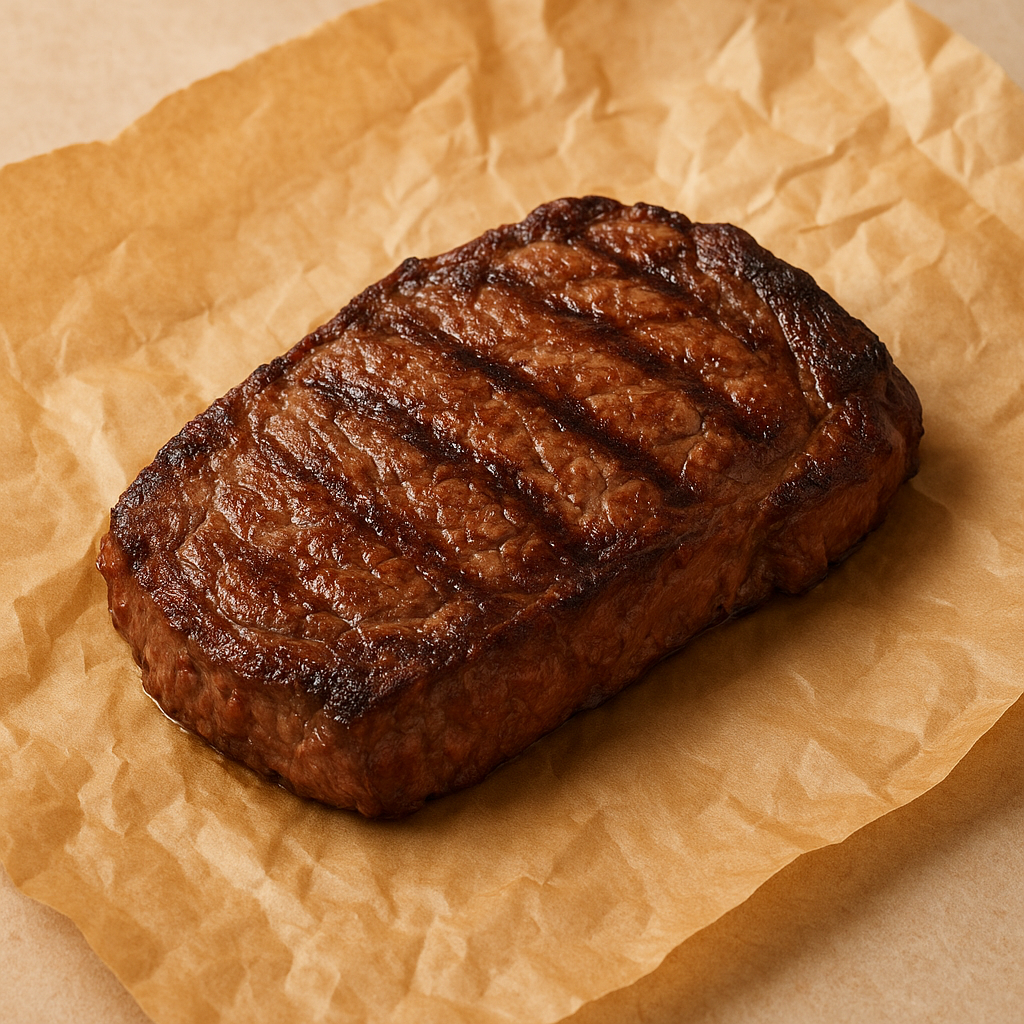
What it is
This is a premium cut of beef, known for its exceptional tenderness and mild flavor. It comes from the tenderloin, a muscle that does very little work, resulting in a steak that is incredibly soft and melts in your mouth. The fillet is typically lean, with minimal marbling, which contributes to its delicate texture. It is a highly sought-after cut for special occasions and fine dining due to its quality and luxurious feel.
How people cook with it
Beef fillet is a versatile cut that can be prepared in numerous ways, from simple pan-searing to more elaborate dishes.
- Pan-seared for a quick meal
- Roasted whole for a centerpiece
- Cut into medallions for elegant starters
- Used in classic dishes like Beef Wellington
To prepare beef fillet, it's best to bring the steak to room temperature before cooking. Season generously with salt and pepper. For pan-searing, use a hot skillet with a little oil or butter. Sear each side until a beautiful crust forms, then reduce heat to finish cooking to your desired doneness. For larger cuts, searing followed by oven roasting is common. Resting the meat after cooking is crucial to allow the juices to redistribute, ensuring maximum tenderness and flavor.
How it differs from similar foods
Compared to cuts like ribeye or sirloin, beef fillet is significantly more tender and less marbled. This makes it ideal for those who prefer a very soft texture. While other cuts may offer a more robust beefy flavor due to higher fat content, fillet's subtle taste allows other ingredients to shine.
Who it is for
Home cooks and professional chefs alike choose beef fillet for its unparalleled tenderness and refined taste.
How to keep the rest
To store uncooked beef fillet, wrap it tightly in plastic wrap or place it in an airtight container. It should be kept in the coldest part of your refrigerator and is best used within 1-2 days. For longer storage, it can be frozen, properly wrapped to prevent freezer burn.