
Grocery
Balsamic Vinegar
What it is
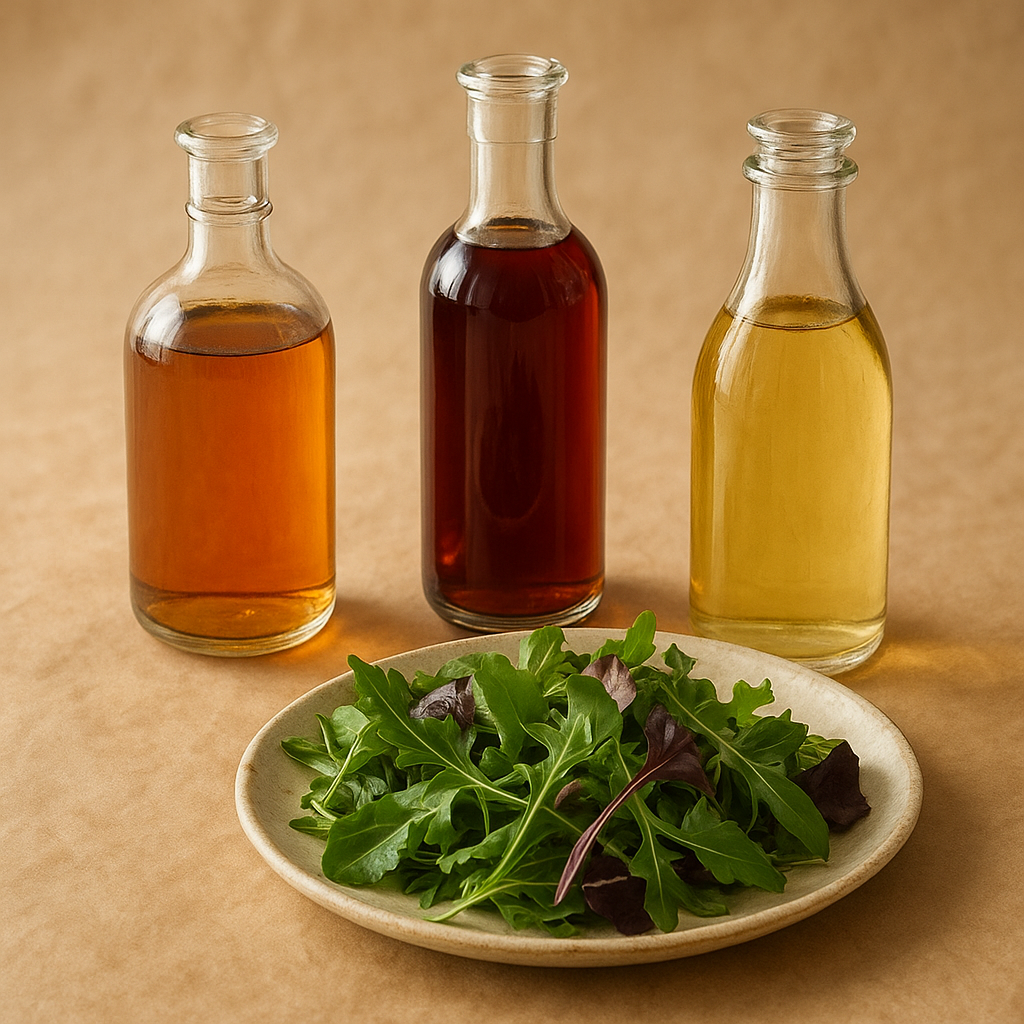
Balsamic vinegar is a dark, intensely flavored vinegar originating from Italy. It is made from concentrated grape must, which is then aged for a significant period. This aging process contributes to its complex flavor profile, which is both sweet and tangy. The vinegar's rich color and syrupy consistency are also hallmarks of its quality and traditional production methods.
How people cook with it
This versatile ingredient adds depth and brightness to a wide range of dishes. It can be used both in cooking and as a finishing touch.
- Dressing for salads
- Marinade for meats
- Glaze for vegetables
- Sauce for reductions
Balsamic vinegar can be used in many ways in the kitchen. For dressings, it is often whisked with olive oil, salt, and pepper. As a marinade, it tenderizes meats and imparts a rich flavor. When reduced, it creates a syrupy glaze perfect for drizzling over roasted vegetables or grilled meats. It can also be incorporated into sauces to add a sweet and sour element. A small amount can elevate the taste of stews and braised dishes.
How it differs from similar foods
Unlike standard white or red wine vinegars, balsamic vinegar has a distinctly sweeter and more complex flavor due to its grape-based origin and aging process. Its viscosity is also typically thicker, making it suitable for glazes. Other vinegars are generally more acidic and less nuanced.
Who it is for
Home cooks and professional chefs alike appreciate its ability to enhance both simple and sophisticated recipes.
How to keep the rest
To maintain its quality, store balsamic vinegar in a cool, dark place, away from direct sunlight and heat. Ensure the bottle is tightly sealed after each use. It does not require refrigeration. Over time, its flavor may deepen, but it will not spoil if stored properly.