
Grocery
Fish Sauce
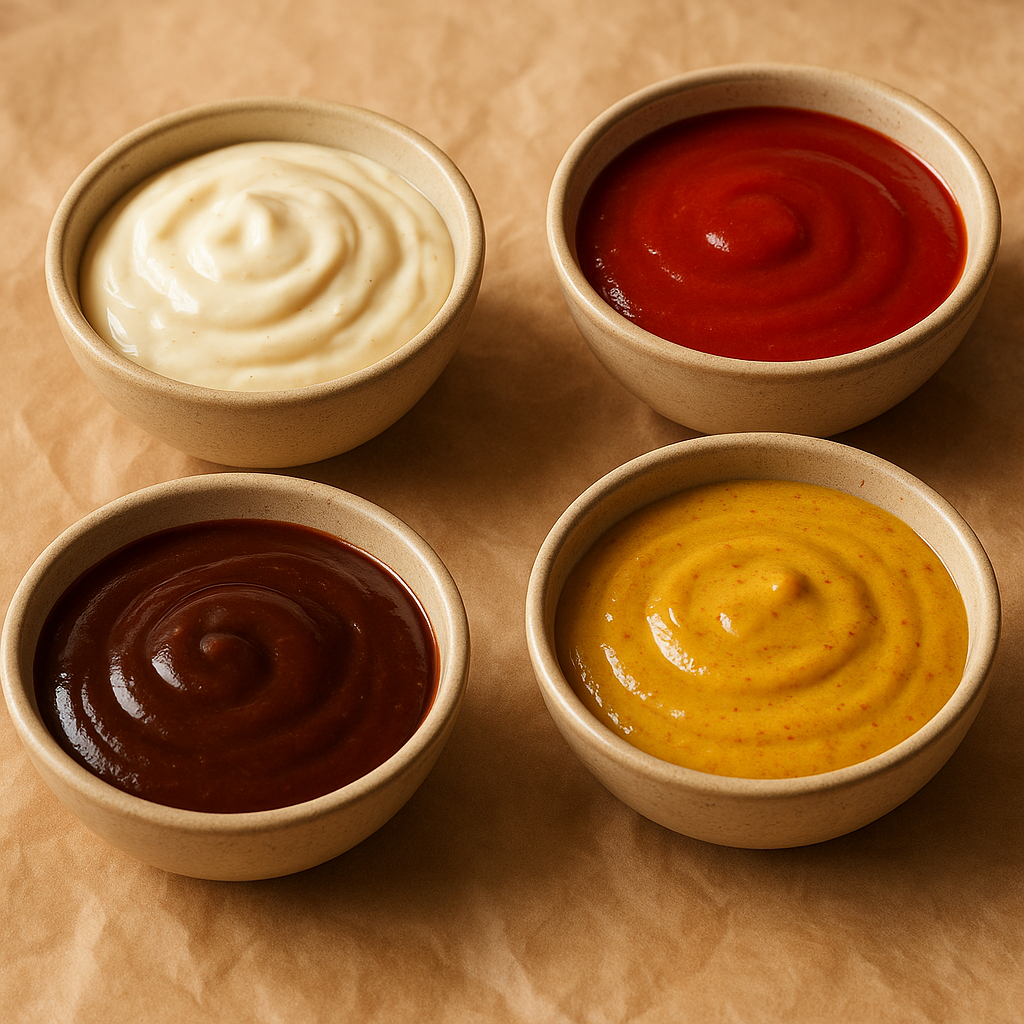
What it is
This is a liquid condiment made from fermented fish, typically anchovies, and salt. It is a staple in Southeast Asian cuisine, particularly in Vietnamese and Thai cooking. The fermentation process breaks down the fish proteins, creating a complex, savory, and umami-rich liquid. It has a distinctive aroma that mellows significantly when cooked or mixed with other ingredients. The color can range from light amber to a deep brown, depending on the fermentation time and the type of fish used.
How people cook with it
Fish sauce adds depth and a salty, savory flavor to a wide variety of dishes. It is a fundamental ingredient for marinades, dipping sauces, and stir-fries.
- Marinades for grilled meats
- Dipping sauces for spring rolls
- Flavoring for stir-fried noodles
- Seasoning for soups and stews
Fish sauce is incredibly versatile. It can be added directly to dishes during cooking to build layers of flavor. For dipping sauces, it is often combined with ingredients like lime juice, chili, garlic, and sugar to create a balanced sweet, sour, salty, and spicy profile. It also works well in salad dressings and as a seasoning for rice or vegetable dishes. A small amount can dramatically enhance the overall taste of a meal, providing a savory backbone that other ingredients can build upon.
How it differs from similar foods
Compared to soy sauce, fish sauce offers a more pungent, fermented, and intensely savory flavor profile. While both are salty, fish sauce has a distinct oceanic umami that soy sauce lacks. It is also generally thinner in consistency than many soy sauces.
Who it is for
Home cooks and professional chefs seeking authentic Southeast Asian flavors will find this ingredient essential.
How to keep the rest
Once opened, store fish sauce in a tightly sealed bottle in a cool, dark place, such as a pantry. Refrigeration is not strictly necessary but can help preserve its quality for a longer period. Ensure the cap is always securely fastened to prevent oxidation and maintain its potent flavor.