
Grocery
Frozen White Fish Fillets
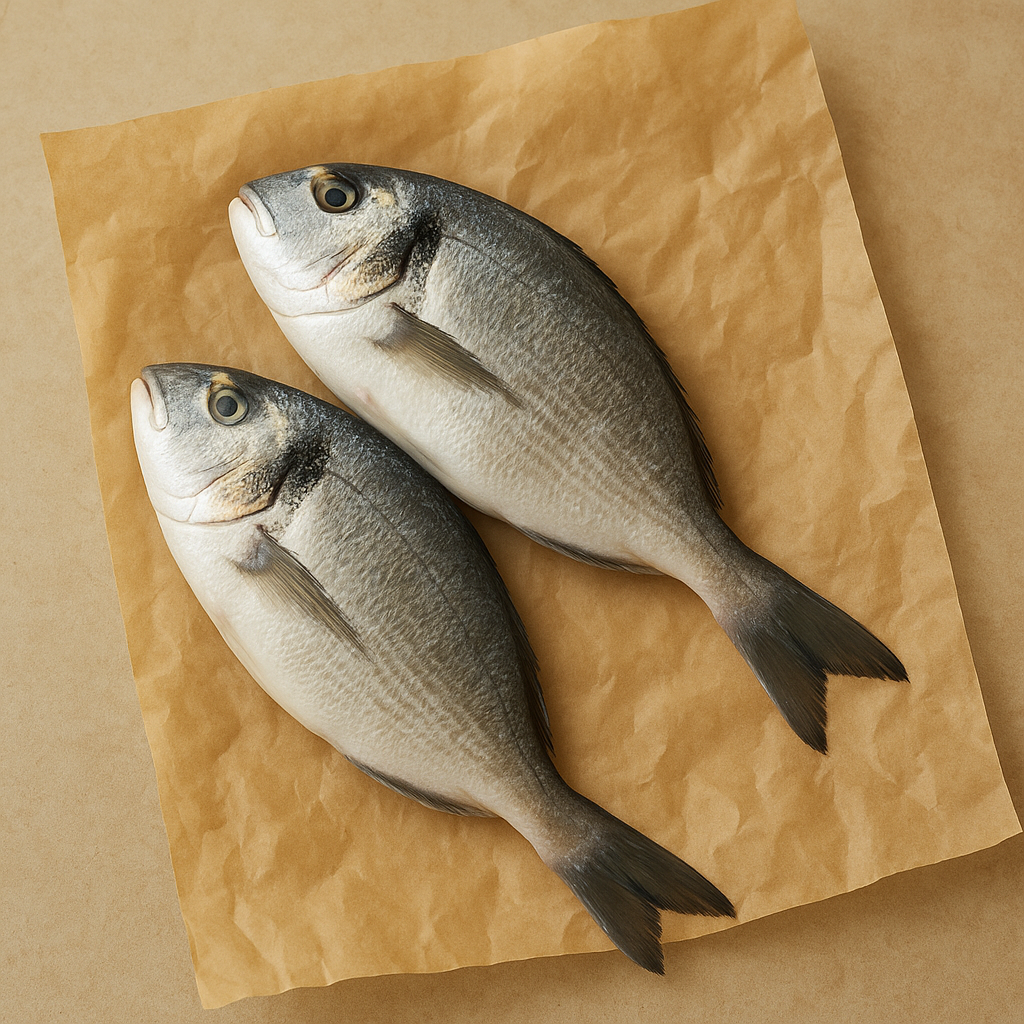
What it is
These are pre-portioned fillets of white fish, flash-frozen shortly after being caught to preserve their freshness. They are typically skinless and boneless, making them convenient for quick meal preparation. The specific type of white fish can vary, but common options include cod, haddock, or pollock, known for their mild flavor and flaky texture. This product offers a straightforward way to incorporate seafood into your diet.
How people cook with it
Frozen fish fillets are a versatile ingredient that can be prepared in many ways. They are excellent for weeknight dinners when time is limited.
- Baked with herbs
- Pan-seared with lemon
- Added to stews
- Fried for fish and chips
To prepare frozen fish fillets, it is generally best to thaw them first. You can do this by placing them in the refrigerator overnight or by using the defrost setting on your microwave. Once thawed, they can be seasoned with salt, pepper, and your favorite herbs or spices. For a simple preparation, bake them in a preheated oven until opaque and flaky, or pan-sear them in a skillet with a little oil or butter until golden brown on both sides. They can also be used in soups and casseroles.
How it differs from similar foods
Unlike fresh fish, frozen fillets offer longer shelf life and consistent availability. The freezing process locks in moisture and flavor, and while some texture differences can occur, the quality remains high. They are often more economical than fresh options.
Who it is for
Home cooks looking for a convenient and accessible source of fish for everyday meals.
How to keep the rest
Keep any unused thawed fillets refrigerated and use them within one to two days. Unopened packages of frozen fillets should be stored in the freezer at 0°F (-18°C) or below to maintain quality. Avoid refreezing thawed fish.