
Bowl And Basket
Bowl & Basket Fingerling Potatoes
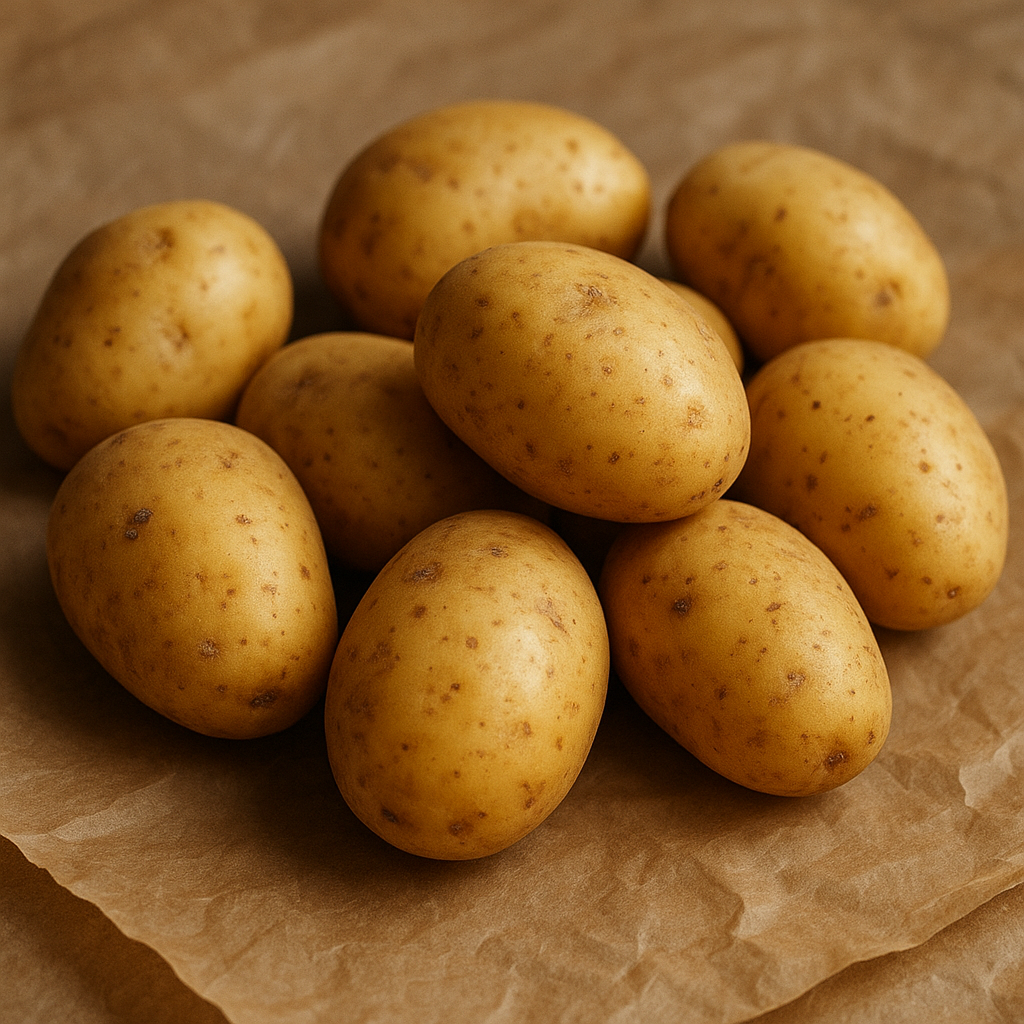
What it is
These are small, elongated potatoes known for their smooth, thin skins and waxy texture. Their shape makes them easy to handle and cook evenly. Fingerlings come in various colors, including red, yellow, and purple, each offering a slightly different flavor profile. They are a versatile vegetable, prized for their ability to hold their shape well when cooked. Their dense flesh contributes to a satisfying bite, making them a popular choice for many dishes.
How people cook with it
Fingerling potatoes are excellent for roasting, boiling, and pan-frying. Their unique shape and texture make them a standout ingredient.
- Roasted alongside meats
- Boiled for potato salads
- Pan-fried with herbs
- Added to stews
To prepare fingerling potatoes, simply wash them thoroughly, as their thin skins are meant to be eaten. You can leave them whole if they are small, or halve or quarter larger ones for more surface area. For roasting, toss them with olive oil, salt, pepper, and your favorite herbs like rosemary or thyme, then spread them on a baking sheet and cook until tender and slightly browned. When boiling, they cook relatively quickly and are perfect for mashing or adding to cold salads. Pan-frying brings out their natural sweetness and creates a delightful crispness.
How it differs from similar foods
Unlike starchy potatoes that tend to fall apart, fingerlings maintain their structure due to their lower starch content and higher moisture. This waxy quality makes them ideal for dishes where you want distinct potato pieces, such as potato salads or roasted sides, rather than a fluffy mash.
Who it is for
Home cooks seeking an elegant yet simple potato preparation will appreciate fingerlings.
How to keep the rest
Store any remaining fingerling potatoes in a cool, dark, and well-ventilated place, such as a pantry or cellar. Avoid storing them in the refrigerator, as this can convert their starches to sugars, affecting their flavor and texture. Keep them away from direct sunlight to prevent them from turning green.