
Grocery · 485 g
Pork Tenderloin
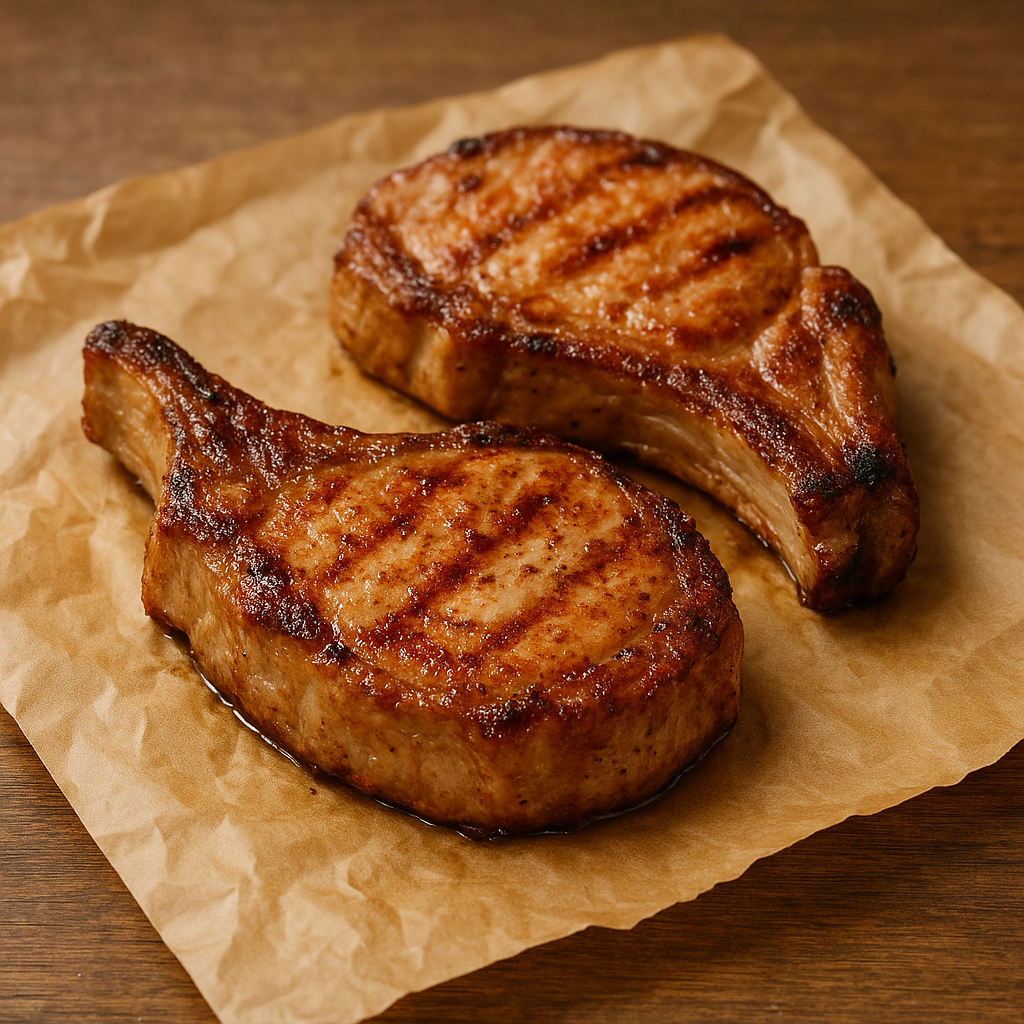
What it is
This is a cut of pork known for its tenderness and mild flavor. It comes from the loin of the pig, a muscle that is not heavily worked, contributing to its delicate texture. The tenderloin is typically long and slender, making it easy to portion and cook evenly. It is a versatile cut that can be prepared in many ways, absorbing marinades and seasonings well.
How people cook with it
Pork tenderloin is a popular choice for weeknight meals and special occasions alike. Its lean nature and quick cooking time make it a convenient option.
- Pan-seared for a quick meal
- Roasted with herbs
- Marinated and grilled
- Sliced for stir-fries
To cook pork tenderloin, you can begin by searing it in a hot skillet with a little oil until browned on all sides. This creates a flavorful crust. You can then finish cooking it in the oven or continue to cook it gently in the skillet, depending on the thickness. Alternatively, it can be marinated for several hours before being grilled or roasted. Ensure the internal temperature reaches a safe level for pork before serving. Resting the meat for a few minutes after cooking helps to keep it juicy.
How it differs from similar foods
Compared to other pork cuts like pork chops or pork shoulder, pork tenderloin is significantly leaner and more tender. It cooks much faster than tougher cuts and has a milder taste that readily accepts other flavors. It is not as fatty as pork belly or pork shoulder.
Who it is for
Home cooks looking for a lean and quick-cooking pork option often choose this cut.
How to keep the rest
To store uncooked pork tenderloin, keep it in its original packaging in the coldest part of your refrigerator. It is best to use it within a few days of purchase. For longer storage, it can be frozen, either whole or cut into portions, in airtight packaging.