
Grocery
FIideuà Pasta
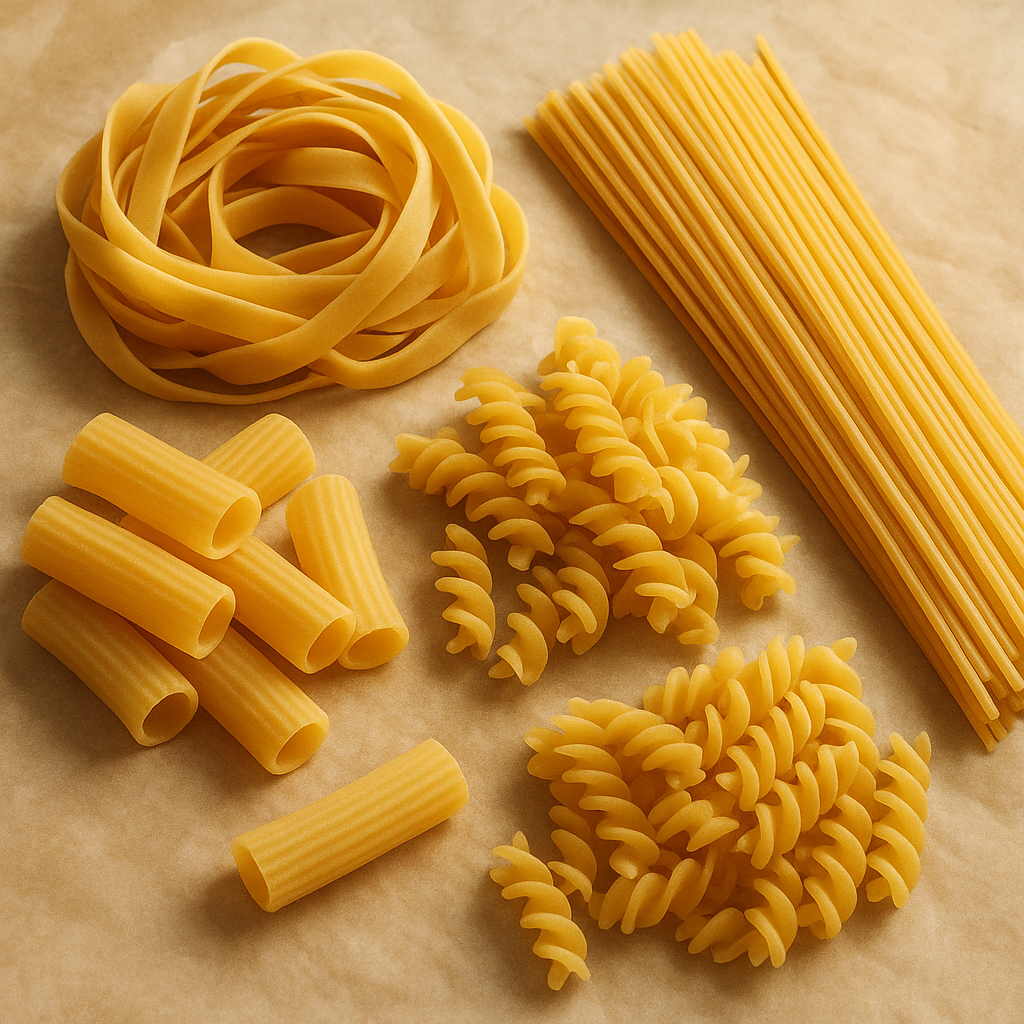
What it is
FIideuà is a traditional Spanish dish originating from the coastal region of Catalonia. It is often described as a cousin to paella, but instead of rice, it features short, thin strands of pasta. This pasta is typically toasted before being cooked in a flavorful broth, absorbing the essence of the other ingredients. The texture of the pasta is a key characteristic, offering a delightful bite that is distinct from rice-based dishes. It's a hearty and satisfying meal that showcases the bounty of the sea.
How people cook with it
This pasta is the foundation for creating authentic FIideuà at home. It is specifically designed to be cooked in a flavorful liquid, similar to how rice is prepared for paella.
- Base for seafood dishes
- Absorbs rich broths
- Creates a satisfying texture
- Pairs well with fish and shellfish
To prepare FIideuà, the short pasta strands are first lightly toasted in olive oil in a wide, shallow pan, often the same one used for paella. This toasting step is crucial for developing a nutty flavor and ensuring the pasta holds its shape when cooked. Once toasted, it is then simmered in a rich fish or seafood broth, along with various types of seafood such as prawns, mussels, clams, and sometimes small pieces of fish. The pasta absorbs the flavorful broth, becoming tender yet retaining a pleasant chewiness. It is often finished with a drizzle of aioli.
How it differs from similar foods
Unlike rice used in paella, FIideuà pasta is made from durum wheat semolina and is cut into short, thin tubes or strands. This difference in shape and composition allows it to absorb broth differently, resulting in a distinct texture that is chewier and more substantial than rice. The toasting process also plays a more prominent role in its flavor development.
Who it is for
Home cooks looking to recreate classic Spanish coastal cuisine.
How to keep the rest
Store the dry pasta in a cool, dry place away from direct sunlight. Ensure the packaging is sealed tightly to prevent moisture absorption, which can lead to spoilage. Once opened, it is best to use the remaining pasta within a few months for optimal freshness and texture.