
Grocery
Dried Figs
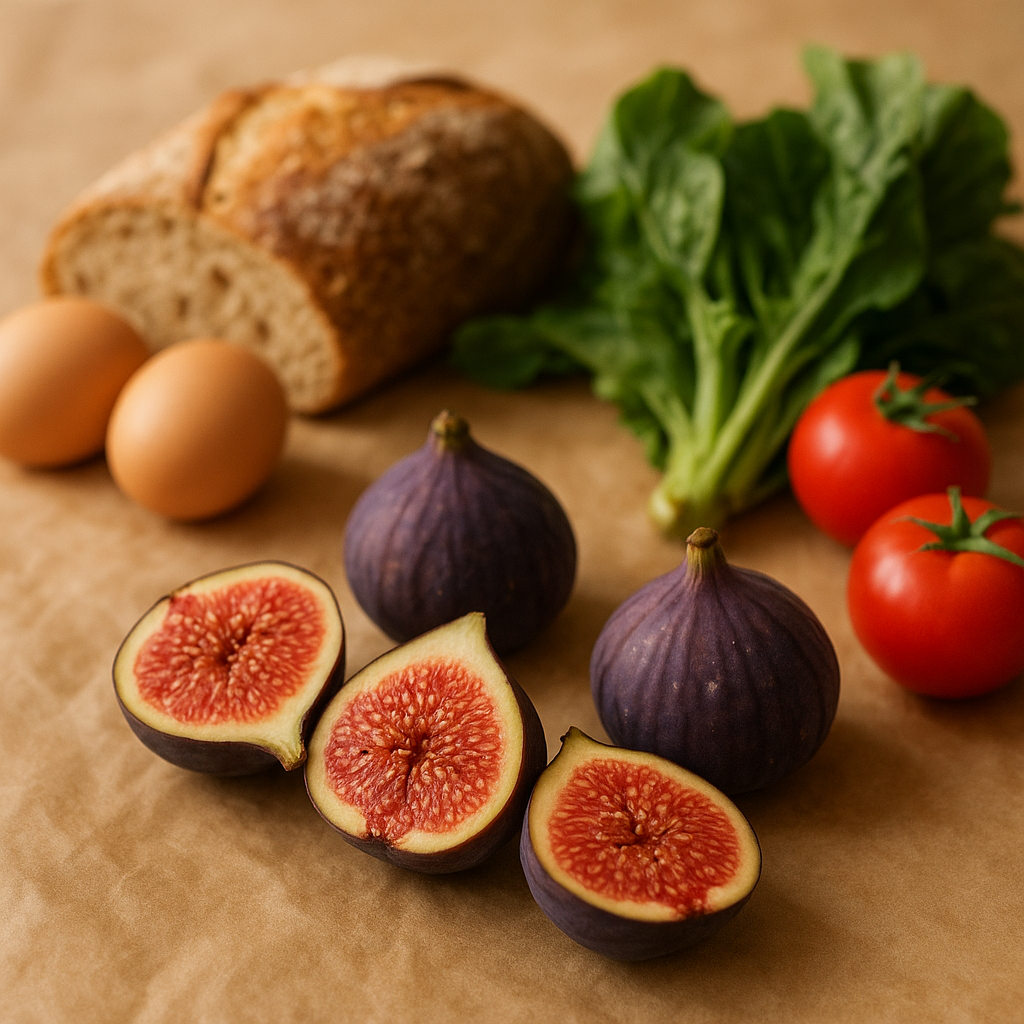
What it is
These are whole dried figs, a fruit that has been dehydrated to preserve it. Drying concentrates the natural sugars and creates a chewy texture. They retain their characteristic pear shape and have a deep, earthy sweetness. The skin is edible and contributes to the overall flavor and texture. They are a convenient way to enjoy figs year-round.
How people cook with it
Dried figs are a versatile ingredient that can be used in both sweet and savory dishes. They add a unique flavor and texture to baked goods and main courses alike.
- In baked goods
- With cheese
- In salads
- As a snack
Dried figs can be eaten as they are for a quick and satisfying snack. For baking, they can be chopped and added to cookies, cakes, or bread dough. They also pair wonderfully with cheese boards, adding a touch of sweetness to complement salty and sharp flavors. In savory applications, they can be incorporated into stews, tagines, or stuffed meats, providing a subtle sweetness and tender texture. Sometimes, they are rehydrated in warm water or juice before use to soften them further.
How it differs from similar foods
Unlike fresh figs, dried figs have a much longer shelf life and a more concentrated sweetness. Their texture is chewier and more dense. Fresh figs are delicate and best enjoyed shortly after picking, while dried figs offer convenience and year-round availability.
Who it is for
Home cooks and bakers who enjoy natural sweetness and unique textures in their dishes.
How to keep the rest
Store dried figs in an airtight container in a cool, dry place. They can also be refrigerated to extend their freshness. If they become too dry, they can be rehydrated by soaking them in warm water for about 10-15 minutes before use.