
Grocery
Whole Wheat Flour
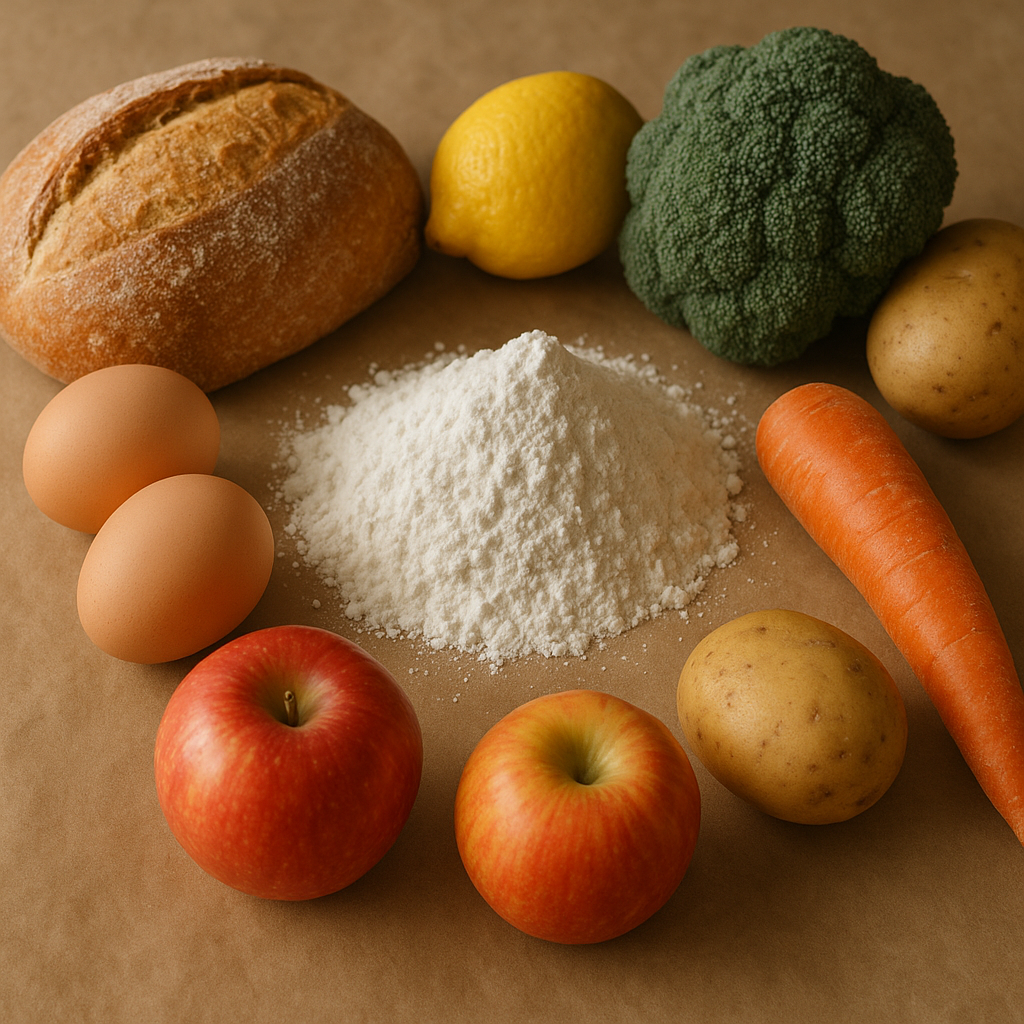
What it is
This is a finely milled flour made from the entire wheat kernel. It includes the bran, germ, and endosperm, which gives it a heartier texture and a slightly nutty flavor compared to refined white flour. The presence of all parts of the wheat berry contributes to its distinct characteristics in baking and cooking.
How people cook with it
Whole wheat flour is a versatile ingredient used in a wide range of baked goods and savory dishes. Its robust flavor and texture can enhance many recipes.
- Baking bread
- Making pancakes
- Thickening sauces
- Creating pasta dough
When baking with whole wheat flour, you might notice it absorbs more liquid than all-purpose flour. It's often beneficial to let doughs made with whole wheat flour rest for a bit longer to allow the flour to fully hydrate. This can result in a softer texture for breads and muffins. For recipes that call for a lighter crumb, you can also try substituting half of the all-purpose flour with whole wheat flour to get some of its benefits without altering the texture too drastically.
How it differs from similar foods
Unlike refined white flour, which has had the bran and germ removed, whole wheat flour retains these components. This results in a darker color, a more pronounced flavor, and a denser texture in finished products. The natural oils in the germ also mean it has a shorter shelf life than white flour.
Who it is for
Home bakers and cooks looking for a flour with a more substantial flavor and texture often choose whole wheat flour.
How to keep the rest
To maintain freshness, store whole wheat flour in an airtight container in a cool, dark place. Because of the natural oils present in the germ, it is best to store it in the refrigerator or freezer for longer periods to prevent it from going rancid. Always check for any off odors before using.