
Grocery
Unbleached Flour
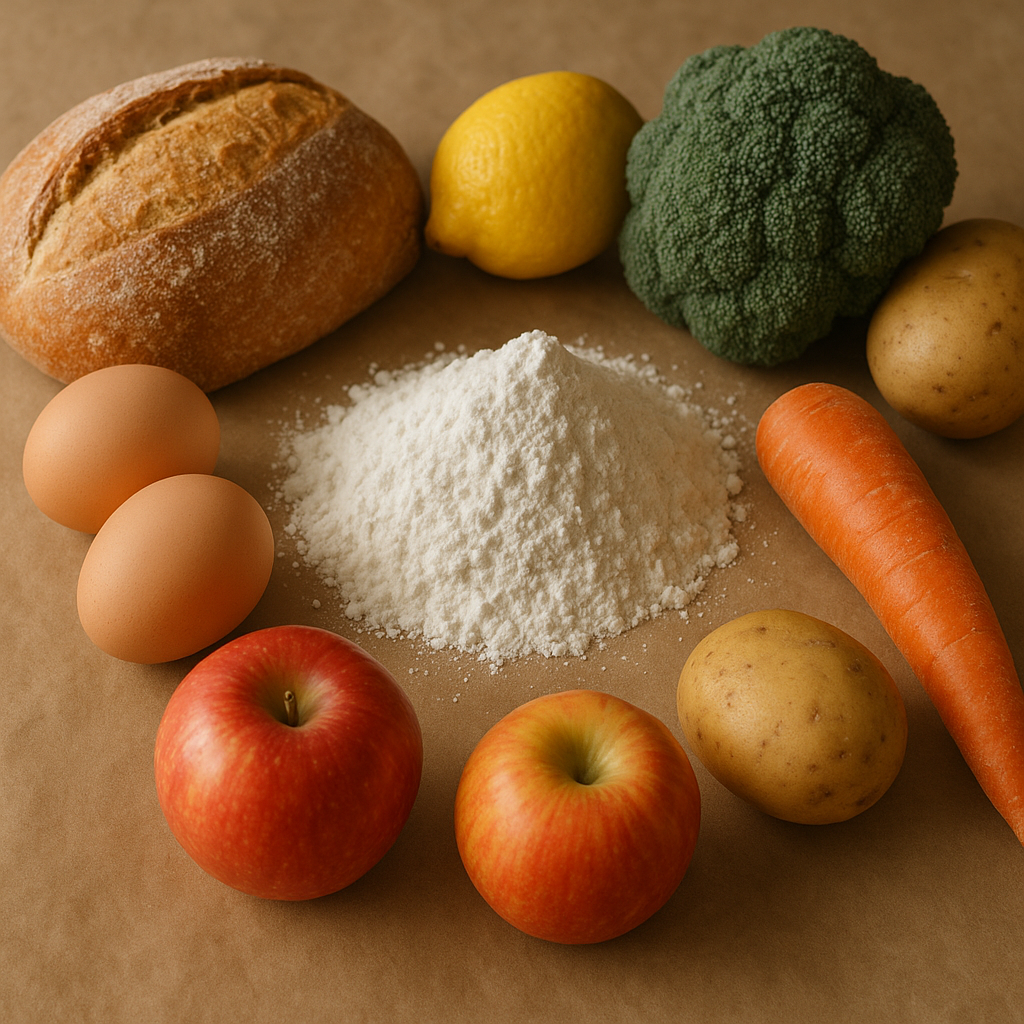
What it is
This is a type of all-purpose flour that has not undergone the bleaching process often used to whiten flour and create a softer texture. The unbleached variety retains more of its natural color and may have a slightly different flavor profile compared to bleached flour. It is milled from wheat and is a staple ingredient in many kitchens for a wide range of baking and cooking applications.
How people cook with it
Unbleached flour is a versatile ingredient used in countless recipes. Its natural qualities make it suitable for both sweet and savory dishes.
- Baking bread
- Making cakes
- Thickening sauces
- Coating fried foods
Unbleached flour can be substituted for bleached flour in most recipes. When baking, it can contribute to a slightly denser crumb in cakes and cookies, and a chewier texture in bread. For savory applications, it works well as a thickener for gravies and stews, or as a coating for meats and vegetables before frying. Its natural color may also lend a slightly warmer hue to baked goods.
How it differs from similar foods
Unlike bleached flour, unbleached flour is not treated with chemicals to alter its color or texture. This results in a flour that is typically a bit creamier in color and may have a slightly more robust wheat flavor.
Who it is for
Home bakers and cooks who prefer a more natural ingredient in their recipes.
How to keep the rest
To maintain freshness, store unbleached flour in an airtight container in a cool, dry place. This helps prevent moisture absorption and keeps out pests. For longer storage, it can be kept in the refrigerator or freezer, especially in warmer climates.