
Grocery
Fettuccine Pasta
What it is
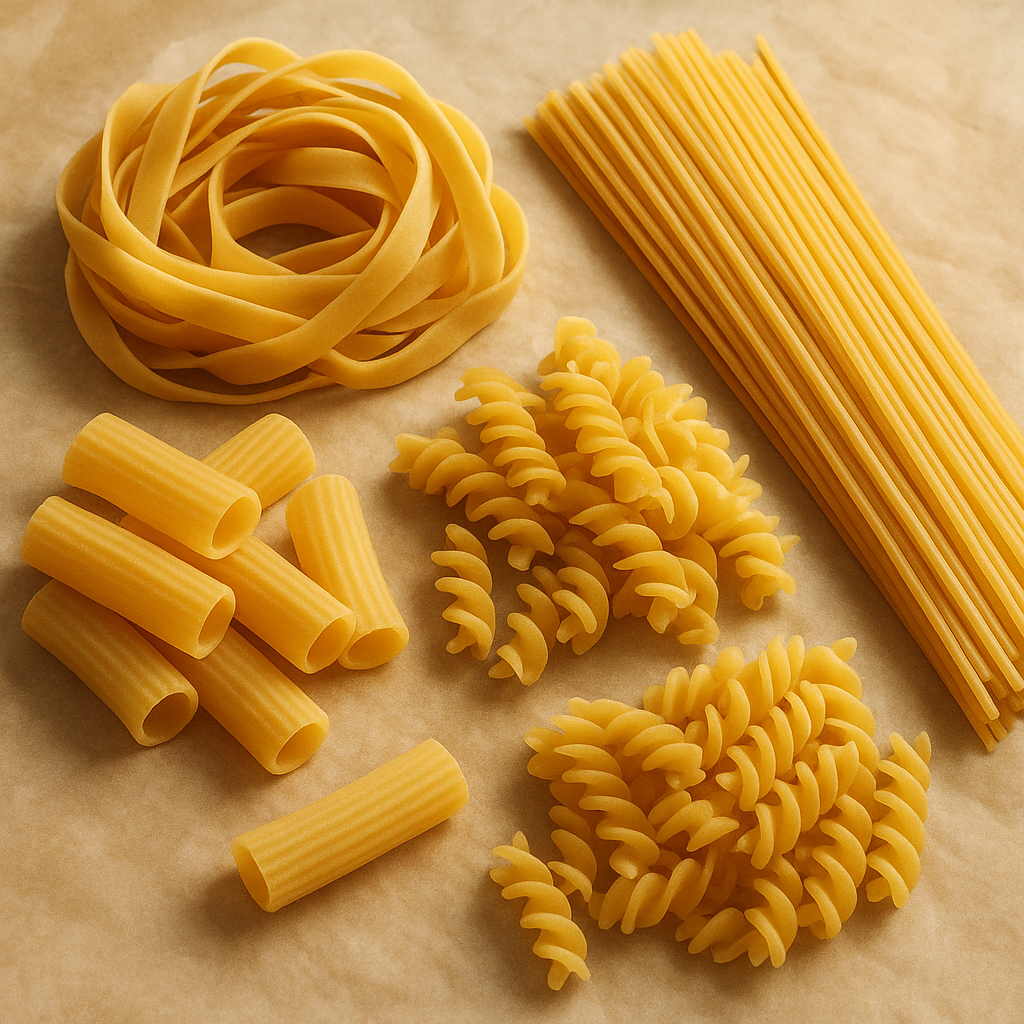
Fettuccine is a traditional Italian pasta shape made from flour and eggs. It is characterized by its flat, ribbon-like strands, which are wider than linguine but narrower than pappardelle. The texture of fettuccine is typically firm and slightly chewy when cooked al dente, making it a versatile base for a variety of sauces. It is a staple in many cuisines and is appreciated for its ability to hold sauces well.
How people cook with it
This pasta is a popular choice for many classic dishes. Its broad surface area makes it ideal for coating with rich and creamy sauces.
- With Alfredo sauce
- In baked pasta dishes
- With hearty meat sauces
- Tossed with pesto
To prepare fettuccine, bring a large pot of salted water to a rolling boil. Add the pasta and stir occasionally to prevent sticking. Cook according to package directions until al dente, meaning it is tender but still has a slight bite. Drain the pasta, reserving some of the cooking water. Return the drained pasta to the pot and toss immediately with your chosen sauce. The reserved pasta water can be added to help emulsify the sauce and achieve a smoother consistency.
How it differs from similar foods
Fettuccine differs from spaghetti in its width and shape; spaghetti is round and thin, while fettuccine is flat and ribbon-like. Compared to linguine, fettuccine is noticeably wider. This wider surface area allows it to capture and hold thicker, richer sauces more effectively than thinner pasta shapes.
Who it is for
Home cooks and professional chefs alike use fettuccine for its versatility and satisfying texture.
How to keep the rest
Store uncooked fettuccine in a cool, dry place in its original packaging or an airtight container. Once cooked, it is best consumed immediately, but leftovers can be refrigerated for up to two days. Reheat gently, perhaps with a little extra sauce or water.