
Grocery
Fat-Free Skim Milk
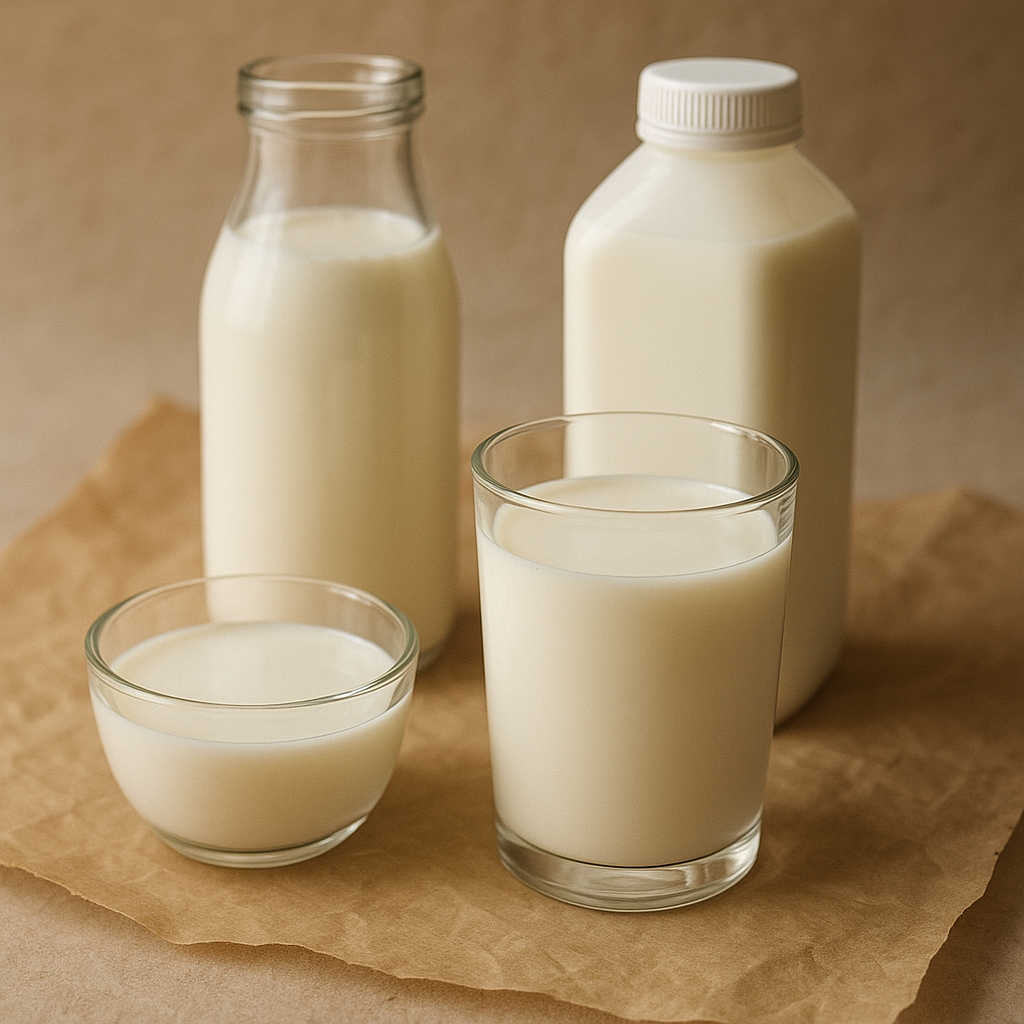
What it is
This is a dairy beverage that has had all of its fat removed. It is a liquid produced by mammals, commonly cows, and is a staple in many households. The process of skimming removes the cream, which is the fattiest part of the milk. What remains is a thin, watery liquid that is still a good source of calcium and other nutrients found in milk. It is a popular choice for those seeking a lower-fat dairy option.
How people cook with it
Skim milk can be used in a variety of ways, both in cooking and as a beverage.
- Drinking chilled
- Adding to cereal
- Baking cakes
- Making smoothies
Fat-free skim milk is versatile. It can be enjoyed straight from the carton as a refreshing drink, especially when chilled. It is often poured over breakfast cereals, adding a liquid base to grains. In baking, it can be incorporated into batters for cakes, muffins, and pancakes, contributing moisture and helping to bind ingredients. It is also a common ingredient in smoothies, blending well with fruits and other additions to create a smooth texture. It can be used in sauces and soups, though it may result in a thinner consistency compared to milk with higher fat content.
How it differs from similar foods
Compared to whole milk, skim milk has a much lower fat content, making it lighter in texture and flavor. It lacks the richness and creamy mouthfeel that fat provides. It also differs from 2% or 1% milk by having even less fat, offering a more watery consistency. This makes it a distinct choice for those prioritizing fat reduction.
Who it is for
People who prefer a lighter dairy option or are managing their fat intake often choose skim milk.
How to keep the rest
To maintain freshness, store unopened cartons of fat-free skim milk in the refrigerator. Once opened, it should be kept tightly sealed and consumed within the recommended timeframe, typically a few days, to ensure quality and safety. Avoid leaving it at room temperature for extended periods.