
Grocery
Fat Free Ricotta Cheese
What it is
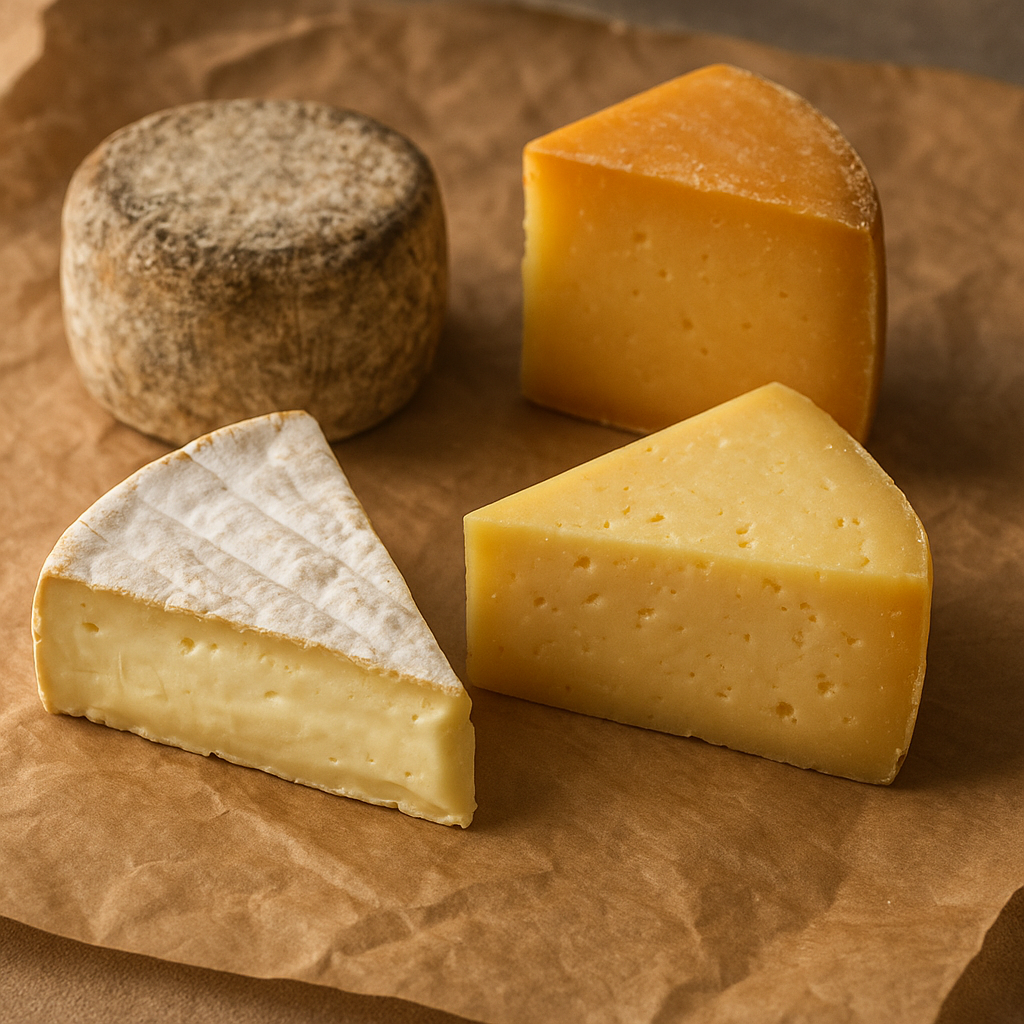
This is a fresh, soft, and moist cheese made from skimmed milk. It has a mild, slightly sweet flavor and a creamy, granular texture. Unlike aged cheeses, ricotta is typically unripened and is best consumed shortly after production. Its light character makes it a versatile ingredient in both sweet and savory dishes. The fat-free version offers a lighter alternative for those seeking to reduce fat content without sacrificing the characteristic taste and texture of ricotta.
How people cook with it
Fat-free ricotta is a popular choice for adding a creamy element to a variety of recipes. It can be used as a filling or a topping.
- Filling for lasagna
- Topping for baked ziti
- Ingredient in cheesecakes
- Spread on toast
In Italian cooking, fat-free ricotta is a staple for creating rich and satisfying baked pasta dishes. It's often mixed with eggs and herbs before being layered into lasagna or stuffed into cannelloni. For desserts, it can be sweetened with sugar and flavored with vanilla or lemon zest to form the base of a light cheesecake or a creamy filling for pastries. It also works well as a simple spread, perhaps with a drizzle of honey or a sprinkle of cinnamon, offering a lighter option for breakfast or a snack.
How it differs from similar foods
Compared to whole milk ricotta, fat-free ricotta has a slightly less rich mouthfeel due to the absence of milk fat. Its texture can be a bit drier and less cohesive. However, it retains the characteristic mild, milky flavor and granular consistency that makes ricotta so adaptable in cooking.
Who it is for
Home cooks looking for a lighter cheese option for their favorite Italian-inspired dishes or desserts.
How to keep the rest
To maintain its freshness, store any unused fat-free ricotta in its original container or an airtight one in the refrigerator. Ensure it is kept cold. It is best to consume the remaining cheese within a few days of opening to enjoy its optimal flavor and texture.