
Grocery
Fat-Free Plus Milk
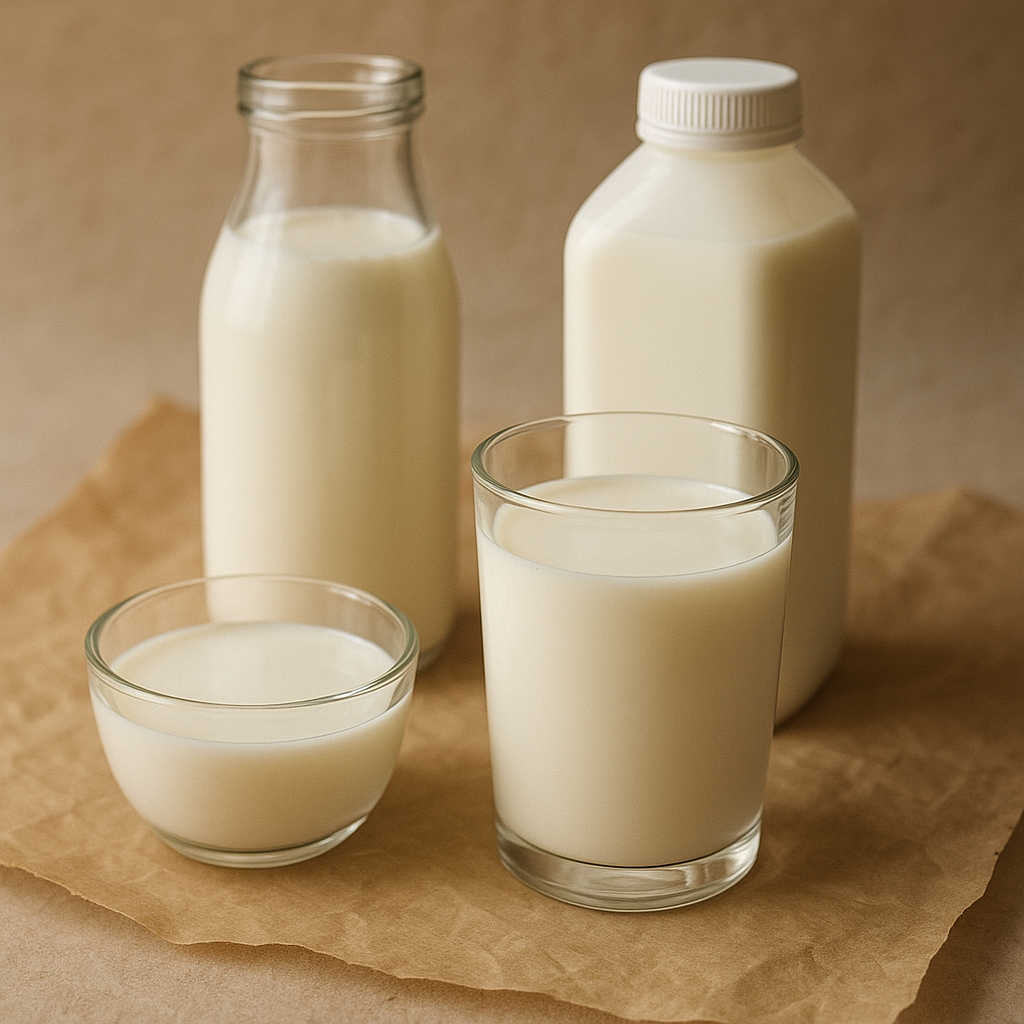
What it is
This is a dairy beverage that has had its fat content removed. It is fortified with additional nutrients, as indicated by the 'plus' in its name. This type of milk is a common staple in many households for drinking and cooking. The fat-free nature makes it a lighter option compared to whole or reduced-fat milks.
How people cook with it
People use this milk in a variety of ways, from simple drinking to incorporating it into recipes.
- Drinking straight from a glass
- Adding to cereal
- Using in smoothies
- Baking cakes and cookies
This milk can be used just like any other type of milk in your kitchen. It is suitable for drinking chilled or at room temperature. When baking, it can be substituted for other milks in most recipes without significantly altering the texture, though some may notice a slightly less rich result due to the absence of fat. It is also a good base for sauces, soups, and gravies, contributing liquid and a mild dairy flavor.
How it differs from similar foods
Compared to whole milk, fat-free milk contains no butterfat. This results in a thinner consistency and a less creamy mouthfeel. Reduced-fat milks, like 2% or 1%, fall in between whole and fat-free in terms of fat content and richness.
Who it is for
This milk is commonly used by individuals and families looking for a lower-fat dairy option for everyday consumption.
How to keep the rest
After opening, this milk should be kept refrigerated to maintain freshness and prevent spoilage. It is best consumed within the recommended timeframe indicated on the packaging. Unopened cartons can typically be stored in a cool, dry pantry until their expiration date.