
Cub Foods
Cub Foods Fat Free Milk
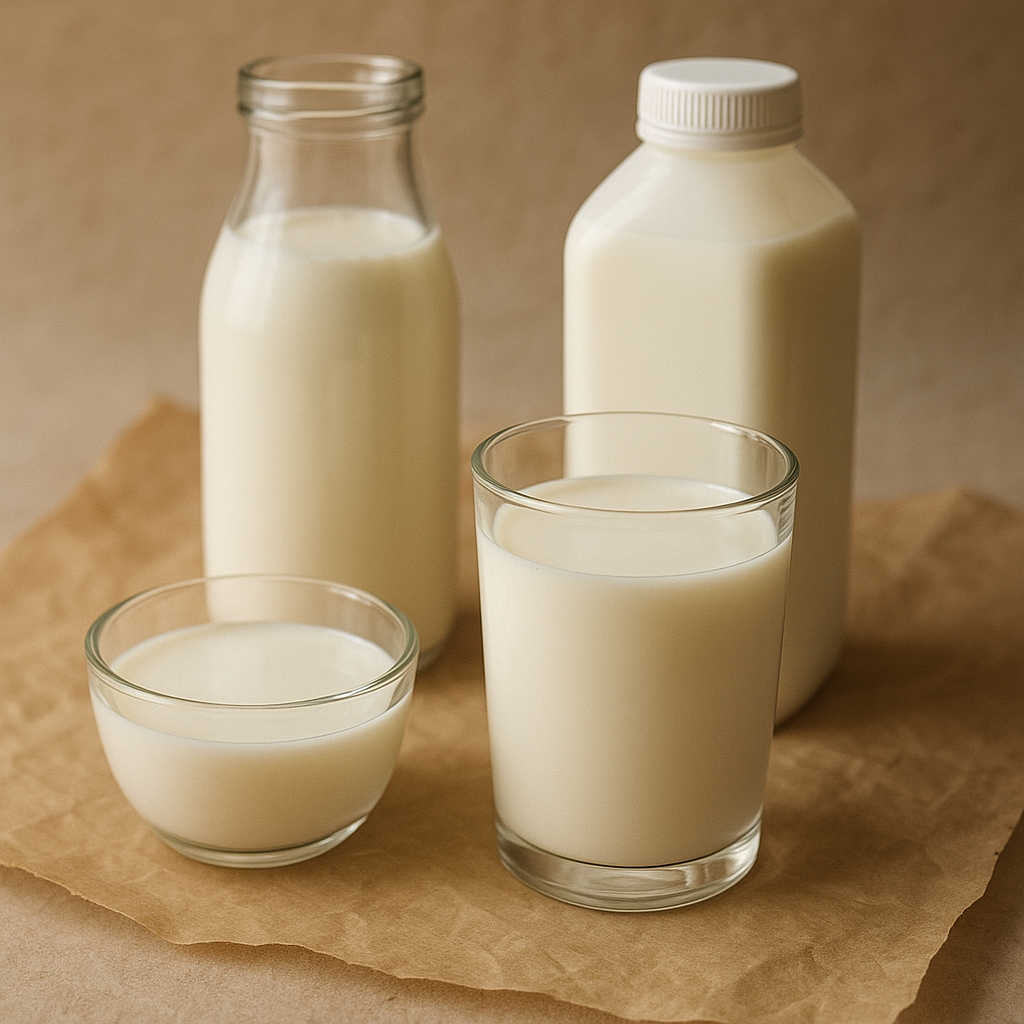
What it is
This is a dairy beverage that has had all of its fat removed. It is a liquid that comes from cows and is processed to remove the natural fat content. The milk is pasteurized for safety. It is a common staple found in refrigerators across many households.
How people cook with it
Fat-free milk can be used in a variety of ways in the kitchen, both for drinking and for cooking.
- Drinking chilled
- Adding to cereal
- Baking cakes
- Making smoothies
This milk is suitable for drinking straight from the carton or glass. It can be poured over breakfast cereals or used as the liquid base for smoothies and milkshakes. In baking, it can substitute for whole or reduced-fat milk in recipes for cakes, muffins, and pancakes. It can also be used in sauces and gravies where a lighter liquid is desired. When cooking, it behaves similarly to other liquid dairy products, though its lack of fat may affect the richness of certain dishes.
How it differs from similar foods
Compared to whole milk, fat-free milk has a thinner consistency and a less creamy mouthfeel due to the absence of fat. It also has a different flavor profile, often perceived as lighter. Reduced-fat milks, like 1% or 2%, fall in between whole milk and fat-free milk in terms of fat content, creaminess, and flavor.
Who it is for
This milk is chosen by individuals seeking a lower-fat dairy option for their daily consumption.
How to keep the rest
After opening, store the remaining milk in its original carton in the refrigerator. Keep the carton tightly sealed to prevent spoilage and the absorption of odors from other foods. Consume the milk before the expiration date printed on the packaging for best quality.