
fairlife
Fairlife Fat Free Milk
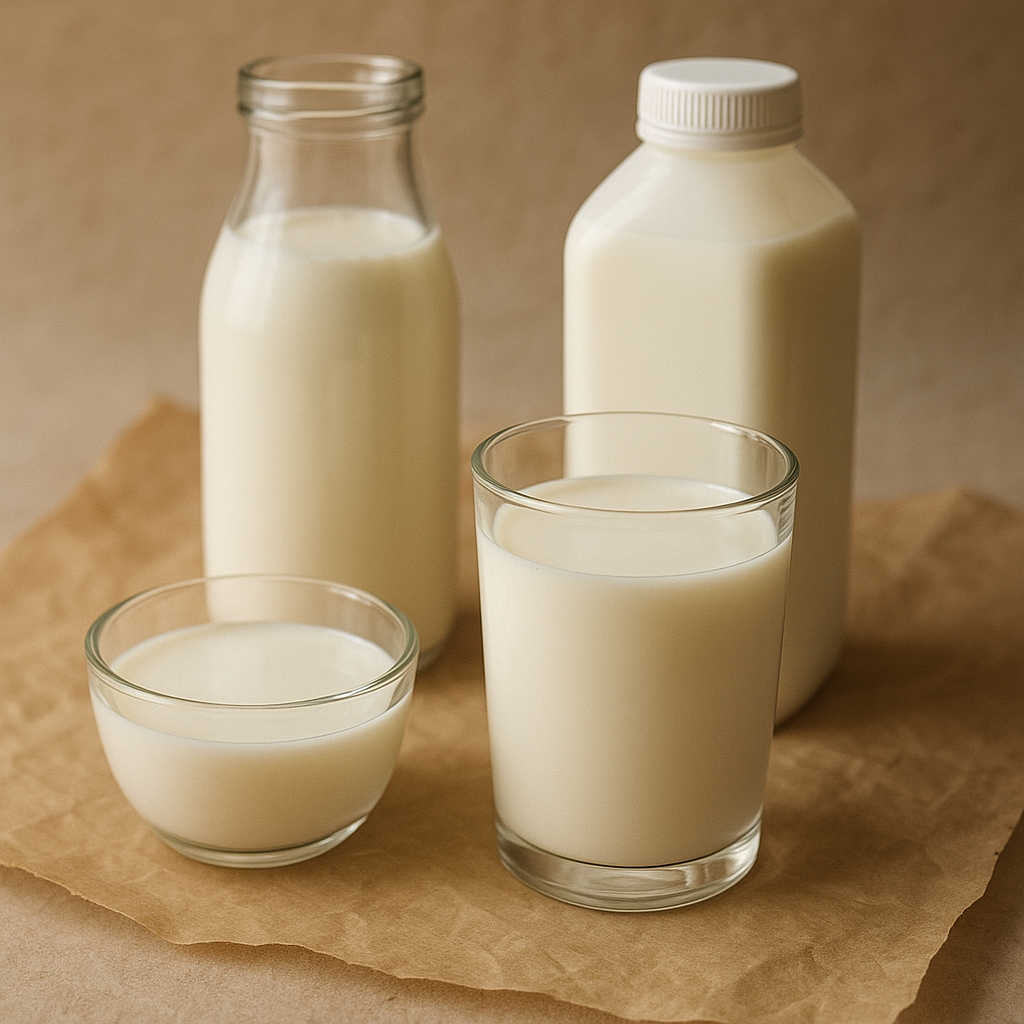
What it is
This is a type of milk that has undergone a filtration process to remove most of the fat. The remaining milk is then often fortified with additional nutrients. It offers a lighter taste and texture compared to whole milk, making it a popular choice for those seeking a lower-fat dairy option. The filtration process also concentrates other components of milk.
How people cook with it
Fat-free milk is a versatile ingredient in many kitchens. It can be used in both sweet and savory preparations.
- Cereal topping
- Smoothie base
- Baking ingredient
- Sauce component
In the kitchen, fat-free milk can be used just like regular milk. It works well as a base for creamy soups, sauces, and gravies. When baking, it can be substituted for whole milk in most recipes, though it may result in a slightly less rich texture. It's also a common addition to smoothies, providing a liquid base without adding significant fat. For beverages, it can be enjoyed on its own or used in coffee and tea.
How it differs from similar foods
Compared to whole milk, fat-free milk has a thinner consistency and a less creamy mouthfeel due to the absence of fat. It also contains fewer fat-soluble components. Other types of milk, like skim milk, are also low in fat but may not have undergone the same filtration process.
Who it is for
Home cooks and bakers often choose fat-free milk for its lighter profile.
How to keep the rest
To maintain freshness, store unopened fat-free milk in its original packaging in the refrigerator. Once opened, keep it tightly sealed and consume within the recommended timeframe, typically a few days, to ensure optimal quality and taste.