
Grocery
Fine Semolina Flour
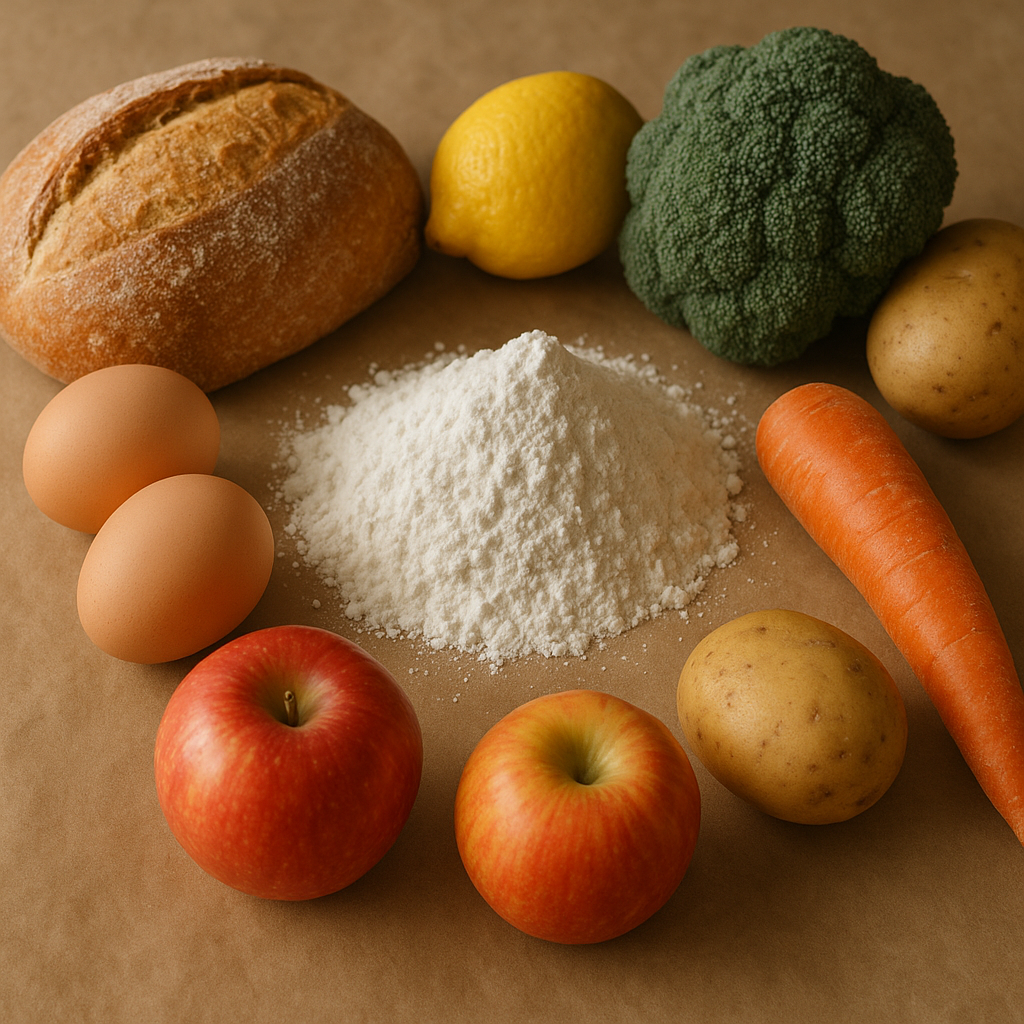
What it is
This is a finely milled grain product made from durum wheat. It has a slightly coarse texture compared to all-purpose flour. The milling process breaks down the wheat into small, uniform granules. It is a staple ingredient in many cuisines, particularly those originating from the Mediterranean region. Its texture and composition make it suitable for a variety of culinary applications.
How people cook with it
People use this flour to create a range of baked goods and pasta dishes. Its unique texture contributes to the final product's structure and mouthfeel.
- Pasta dough
- Bread crusts
- Couscous
- Thickening agent
This semolina flour is often mixed with water or eggs to form doughs for homemade pasta. It can also be used to create couscous by steaming the granules. For baked goods, it can be incorporated into bread recipes to achieve a crispier crust or used as a dusting agent on baking sheets to prevent sticking. In some dishes, it acts as a binder or a thickening agent for sauces and porridges, absorbing liquids and creating a smooth consistency when cooked.
How it differs from similar foods
Compared to all-purpose flour, fine semolina has a coarser texture due to the larger particle size of the milled durum wheat. This difference in texture affects how it absorbs liquid and contributes to the final structure of cooked foods, often resulting in a chewier bite.
Who it is for
Home cooks and professional chefs alike use this flour for its distinct properties in doughs and baked goods.
How to keep the rest
To maintain freshness, store the remaining flour in an airtight container in a cool, dry place. This will help prevent moisture absorption and keep it from becoming stale. Ensure the container is well-sealed to protect it from pantry pests.