
Grocery
Extra Virgin Olive Oil
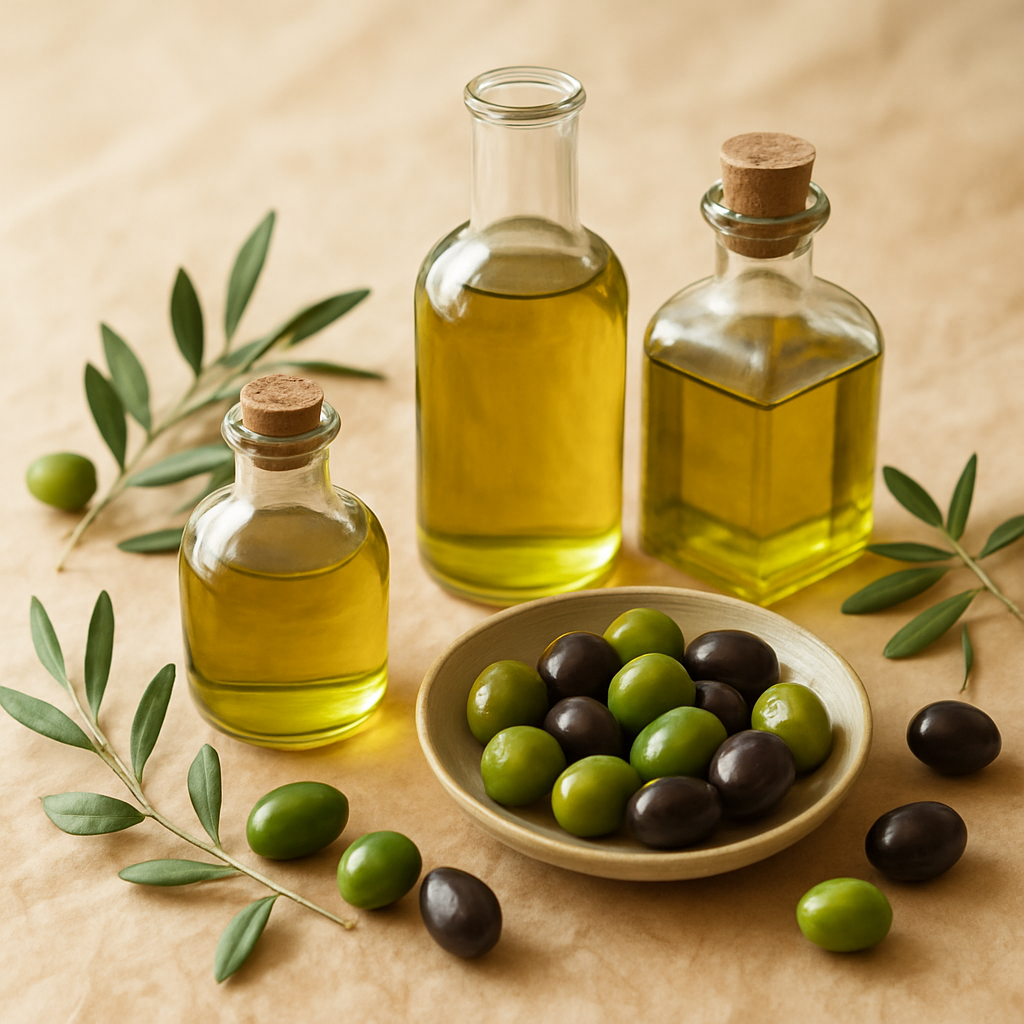
What it is
Extra virgin olive oil is the highest grade of olive oil. It is made from the first pressing of olives and is unrefined, meaning it retains its natural flavor, aroma, and color. This oil is known for its fruity notes and sometimes a peppery finish. It is a staple in many kitchens around the world due to its versatility and distinct taste profile. The quality of extra virgin olive oil can vary significantly based on the olive varietal, growing conditions, and processing methods.
How people cook with it
This oil is a cornerstone for both cooking and finishing dishes.
- Drizzling over salads
- Sautéing vegetables
- Marinating meats
- Baking
Extra virgin olive oil can be used in a multitude of ways. For raw applications, it is excellent for dressing salads, drizzling over grilled vegetables, or as a dip for crusty bread. When cooking, it can be used for sautéing at moderate temperatures, roasting, or in marinades for meats, fish, and poultry. Its flavor can enhance baked goods, adding moisture and a subtle richness. It is important to note that while it can be heated, very high temperatures may degrade its delicate flavors and beneficial compounds.
How it differs from similar foods
Unlike refined olive oils, extra virgin olive oil is not treated with chemicals or heat during processing. This preserves its natural antioxidants and distinct flavor. Regular olive oil, for instance, is often a blend that may include refined oils, resulting in a milder taste and less complex aroma compared to the robust character of extra virgin.
Who it is for
Home cooks and professional chefs appreciate its culinary qualities.
How to keep the rest
To maintain its freshness, store extra virgin olive oil in a cool, dark place, away from direct sunlight and heat. Keep the bottle tightly sealed. Avoid storing it near the stove or in a brightly lit cupboard. Proper storage helps preserve its flavor and quality for an extended period.