
Grocery
Extra Virgin Olive Oil
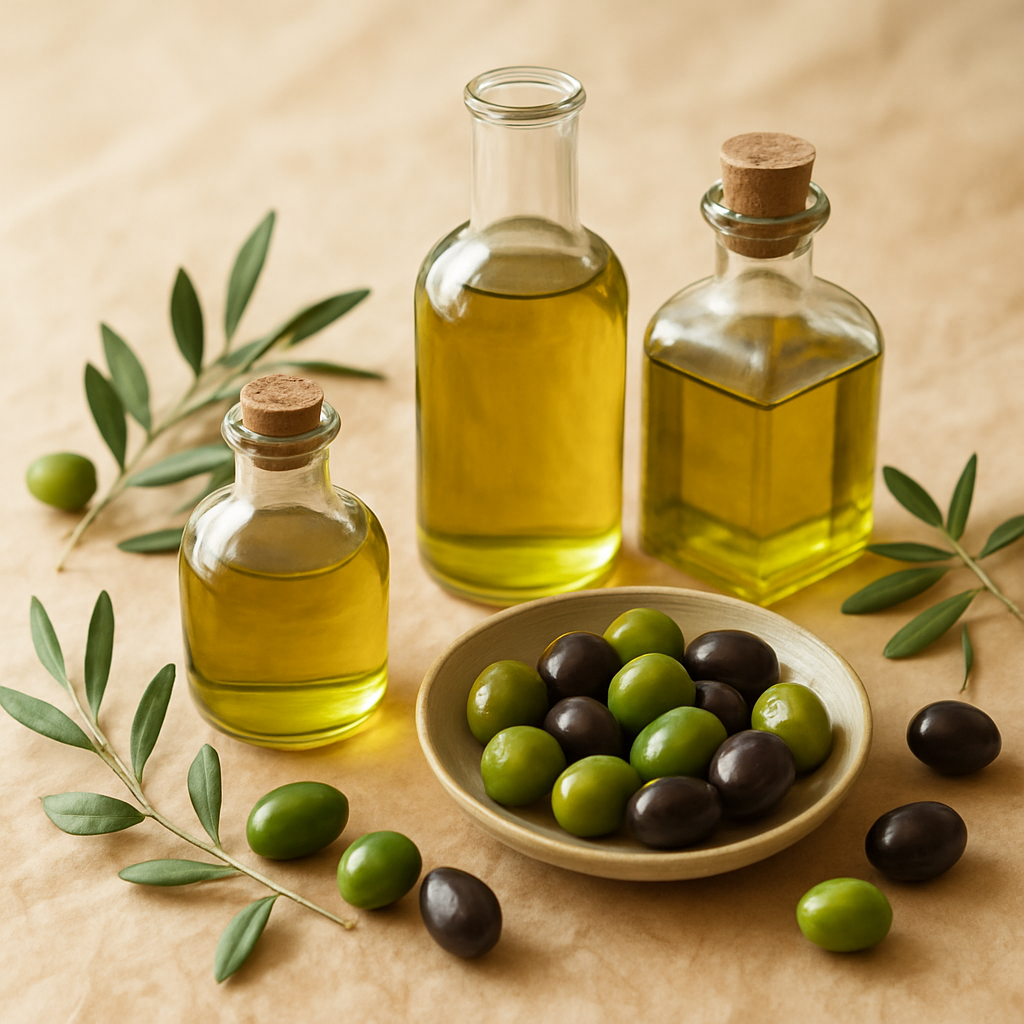
What it is
This is a pure, unrefined olive oil, pressed from the first cold pressing of olives. It retains the natural flavor, aroma, and color of the olives. Its acidity level is typically very low, contributing to its delicate taste. It is a staple in many kitchens for its versatility and distinct character.
How people cook with it
Extra virgin olive oil is a fundamental ingredient for both cooking and finishing dishes. Its flavor profile can enhance a wide range of culinary creations.
- Drizzling over salads
- Sautéing vegetables
- Marinades for meats
- Dipping bread
You can use extra virgin olive oil for low to medium-heat cooking methods like sautéing, pan-frying, and roasting. It is also excellent for making salad dressings, vinaigrettes, and marinades. For finishing dishes, a drizzle of this oil just before serving can add a fresh, fruity note. It can be used in baking as a fat substitute, though its flavor may be noticeable in delicate pastries.
How it differs from similar foods
Compared to refined olive oils, extra virgin olive oil has a more robust flavor and aroma. It is less processed, preserving more of the olive's natural characteristics. Refined oils are often lighter in color and taste, making them suitable for high-heat cooking where a neutral flavor is desired.
Who it is for
Home cooks and professional chefs alike choose extra virgin olive oil for its quality and flavor.
How to keep the rest
To maintain its freshness, store extra virgin olive oil in a cool, dark place, away from direct sunlight and heat. Keep the bottle tightly sealed. Avoid storing it near the stove or in a sunny window. Properly stored, it can retain its quality for an extended period.