
Grocery
Extra Virgin Olive Oil
What it is
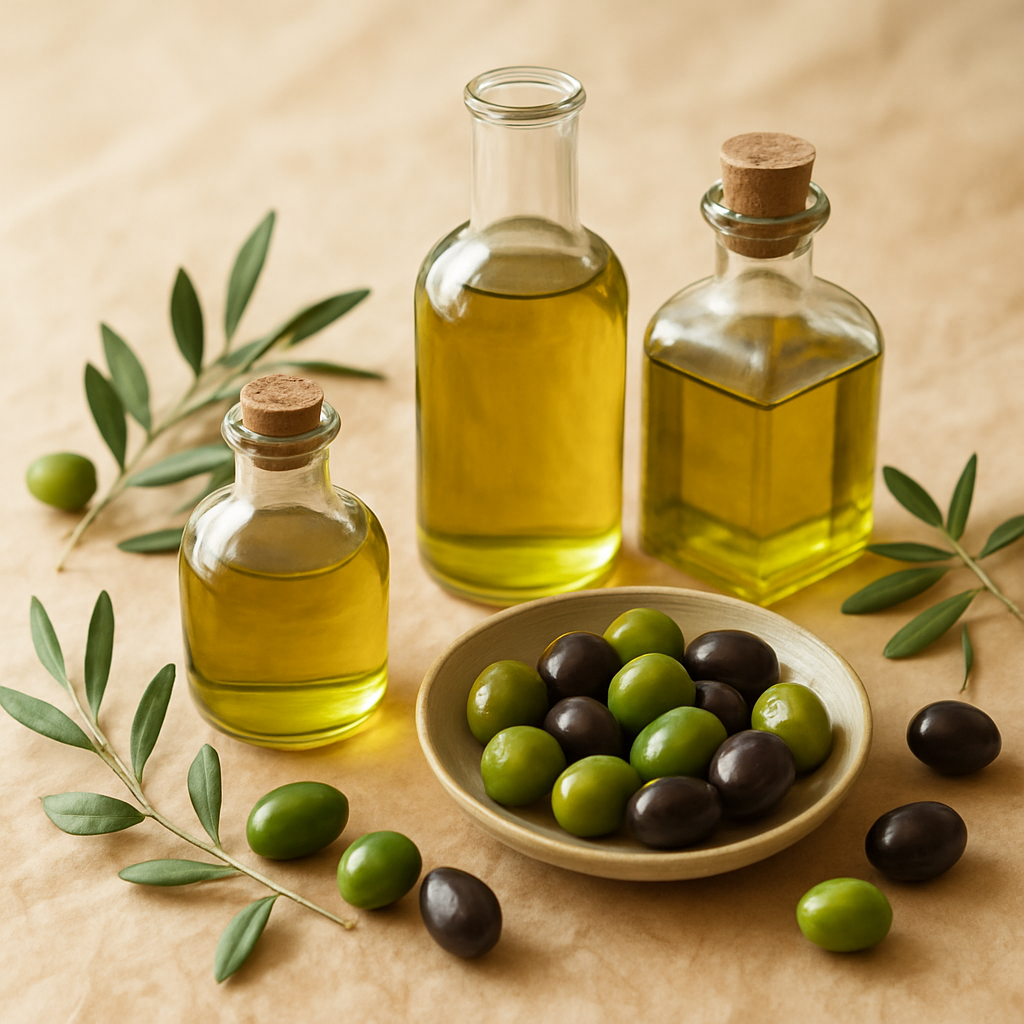
Extra virgin olive oil is the highest grade of olive oil, produced by crushing olives and extracting the oil using mechanical or physical means. It is unrefined and has a distinct flavor profile, often described as fruity, peppery, or grassy. This oil is a staple in many kitchens, valued for its quality and versatility. It is derived from olives, which are fruits.
How people cook with it
This oil is a cornerstone of Mediterranean cooking and is used in a wide variety of dishes, both raw and cooked.
- Drizzling over salads
- Sautéing vegetables
- Baking bread
- Marinades
Extra virgin olive oil is excellent for dressing salads, drizzling over finished dishes, or as a dip for bread. It can also be used for low to medium-heat cooking methods like sautéing vegetables or pan-frying fish. When baking, it can add moisture and a subtle flavor to cakes and breads. For marinades, it forms the base for many herb and spice combinations. Its flavor is best preserved when not subjected to very high heat for extended periods.
How it differs from similar foods
Compared to other olive oils, extra virgin olive oil has a lower acidity level and a more pronounced flavor. Regular olive oil or pure olive oil is often a blend of refined and virgin olive oils, resulting in a milder taste and higher smoke point. Virgin olive oil is also a good quality oil, but extra virgin is considered the premium choice for its superior taste and aroma.
Who it is for
Home cooks and professional chefs appreciate extra virgin olive oil for its flavor and culinary applications.
How to keep the rest
To maintain its quality, store extra virgin olive oil in a cool, dark place away from direct sunlight and heat. Keep the bottle tightly sealed to prevent oxidation. It is best to use it within a reasonable timeframe after opening to enjoy its fresh flavor.