
Grocery
Evaporated Milk
What it is
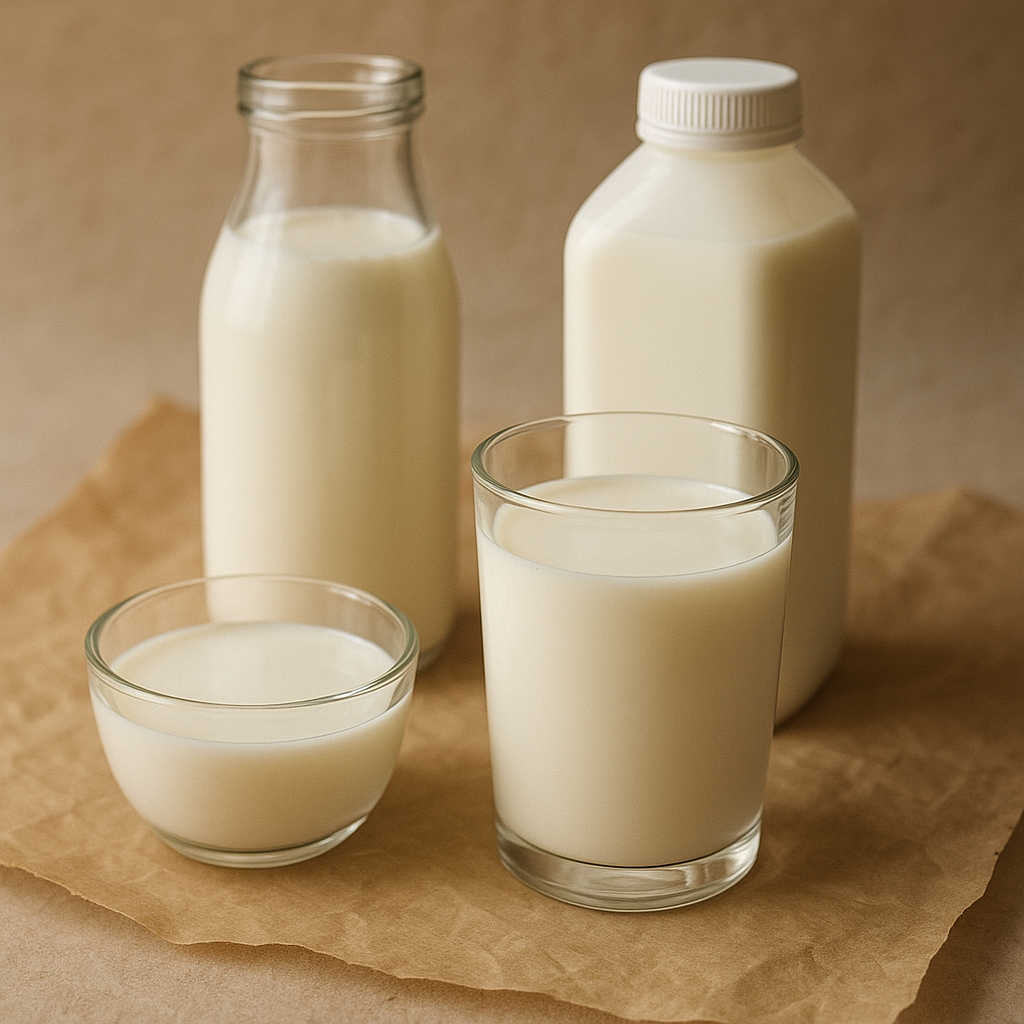
Evaporated milk is a shelf-stable dairy product made by heating milk to remove about 60% of its water content. This process concentrates the milk's solids and flavor. It has a richer, slightly caramelized taste compared to fresh milk. Because it is canned, it does not require refrigeration until it is opened. It is a versatile ingredient used in many different types of cooking and baking.
How people cook with it
Evaporated milk is a staple in many kitchens, adding richness and creaminess to both sweet and savory dishes. It can be used in a variety of ways to enhance flavor and texture.
- Baking cakes and cookies
- Making creamy sauces
- Thickening soups
- Preparing custards and puddings
To use evaporated milk in recipes, you can often substitute it directly for fresh milk, though the resulting dish will be richer. For a thinner consistency, you can add water to it. Many bakers prefer it for its ability to create a denser, more tender crumb in cakes and pastries. In savory applications, it can be heated gently to create smooth, velvety sauces or added to soups to impart a luxurious texture without the risk of curdling that sometimes occurs with fresh milk.
How it differs from similar foods
Unlike condensed milk, evaporated milk does not have sugar added. It is also less concentrated than condensed milk, with a milder flavor. Its texture is thicker than regular milk but thinner than heavy cream, making it a unique ingredient for achieving specific culinary results.
Who it is for
Home cooks and professional chefs alike use evaporated milk to achieve desirable textures and flavors in their creations.
How to keep the rest
Once opened, store any unused evaporated milk in a covered container in the refrigerator. It should be used within a few days. Unopened cans can be stored in a cool, dry pantry for an extended period.