
Grocery
Evaporated Milk
What it is
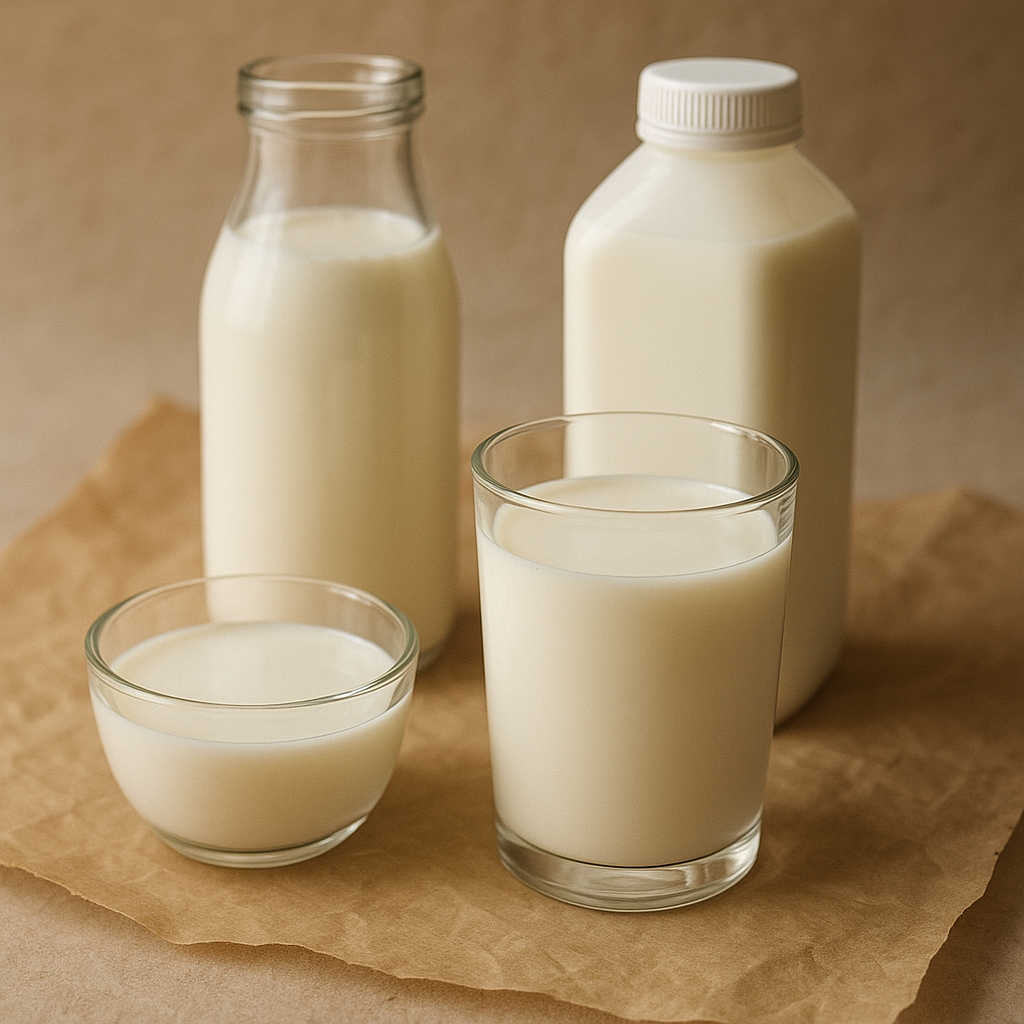
Evaporated milk is a shelf-stable dairy product made by heating milk to remove about 60% of its water content. This process concentrates the milk's solids and sugars, giving it a richer flavor and a slightly thicker consistency than fresh milk. It is then homogenized and sealed in cans for preservation. The heating also gives it a subtle caramelized note. It is not sweetened.
How people cook with it
Evaporated milk is a versatile ingredient in both sweet and savory cooking. Its concentrated nature makes it ideal for adding richness and body to a variety of dishes.
- Creamy sauces
- Rich desserts
- Hearty soups
- Baked goods
When a recipe calls for milk and you want a richer result, evaporated milk is a good choice. You can often substitute it for fresh milk, though you may need to dilute it with water to achieve the desired consistency. For example, for every cup of evaporated milk needed, you could use about half a cup of evaporated milk mixed with half a cup of water. It blends well into sauces, gravies, and custards, providing a smooth texture and enhanced flavor without the need for additional thickeners. It also holds up well to heat, making it suitable for dishes that require simmering or baking.
How it differs from similar foods
Unlike condensed milk, evaporated milk is not sweetened. Its flavor is more concentrated and slightly cooked compared to fresh milk, and its texture is thicker. This makes it a distinct ingredient for specific culinary applications where sweetness is not desired.
Who it is for
Home cooks and professional chefs use evaporated milk to enhance the texture and flavor of their recipes.
How to keep the rest
Unopened cans of evaporated milk can be stored in a cool, dry pantry for an extended period. Once opened, transfer any unused milk to a sealed container and refrigerate. It should be used within a few days of opening.