
Grocery
Erythritol Sweetener
What it is
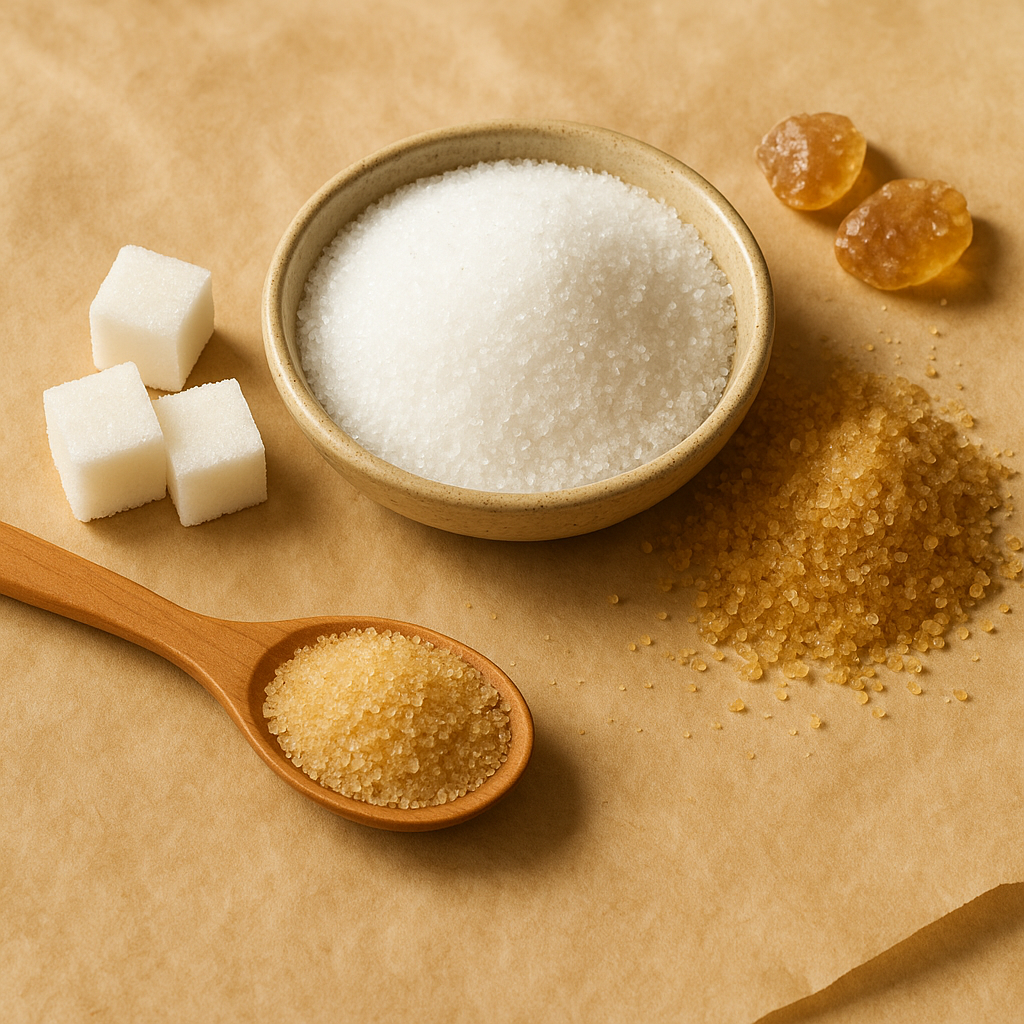
It is a type of carbohydrate that the body does not metabolize, meaning it passes through the digestive system largely undigested. It is often used in baking and in beverages as a way to reduce sugar intake. Its crystalline structure is similar to granulated sugar, making it easy to measure and use in recipes.
How people cook with it
It is a versatile ingredient for sweetening a variety of foods and drinks. Many people choose it as an alternative to sugar in their daily routines.
- Sweetening coffee and tea
- Baking cakes and cookies
- Making sugar-free desserts
- Adding sweetness to smoothies
You can use this sweetener in place of granulated sugar in most recipes. It measures cup-for-cup, meaning one cup of this sweetener can replace one cup of sugar. It dissolves well in liquids and can be incorporated into batters and doughs. When baking, it behaves similarly to sugar, contributing to texture and browning, though it may not caramelize in the same way. It is also suitable for use in uncooked preparations like frostings and sauces.
How it differs from similar foods
Its sweetness profile is also slightly less intense than sugar, sometimes requiring a bit more to achieve the same level of sweetness.
Who it is for
Home cooks looking for sugar alternatives often reach for this ingredient.
How to keep the rest
To maintain its quality, store the remaining sweetener in its original packaging or an airtight container. Keep it in a cool, dry place away from direct sunlight and moisture. Proper storage will prevent clumping and preserve its sweetness for future use.