
Grocery
Spaghetti Pasta
What it is
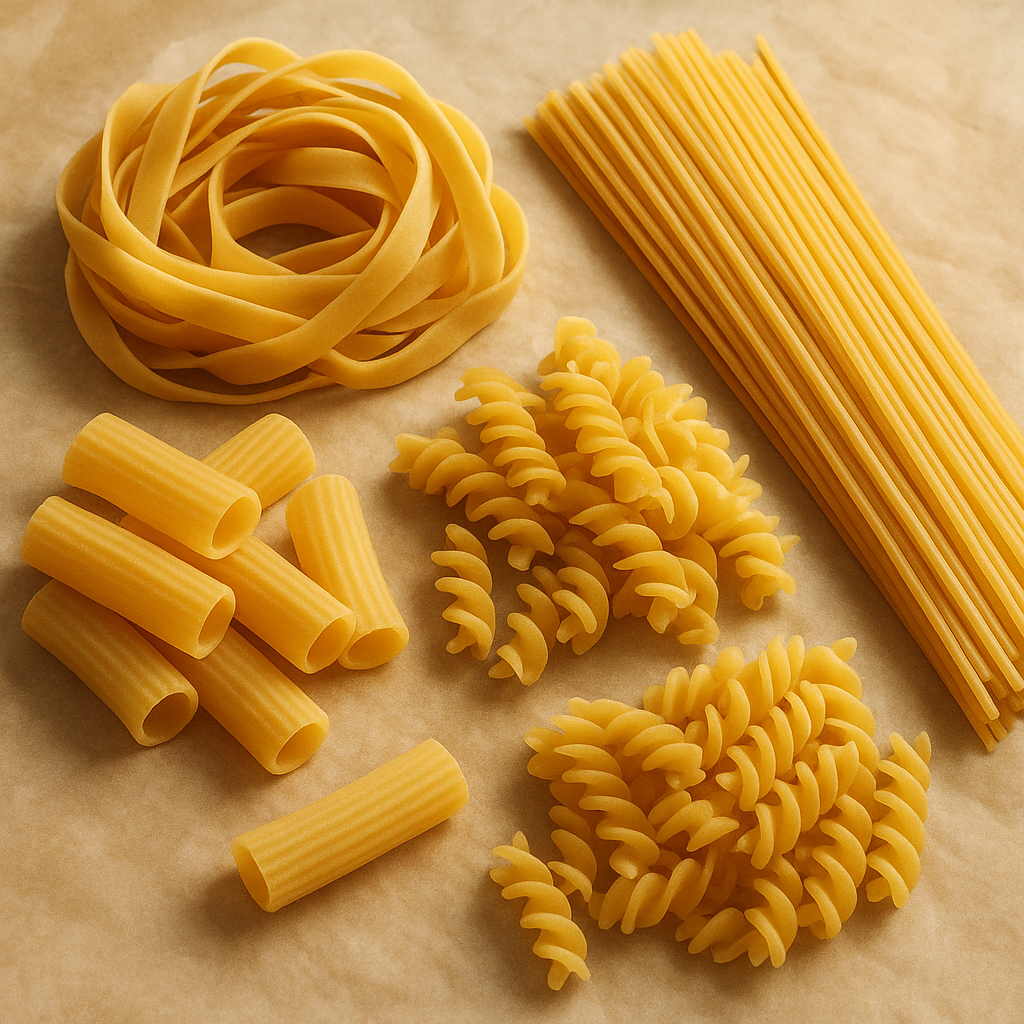
This is a type of pasta made from durum wheat semolina and water. It is formed into long, thin, solid, cylindrical strands. The product is enriched, meaning certain nutrients have been added back after processing. It is a staple food enjoyed in many cuisines around the world.
How people cook with it
Spaghetti is a versatile pasta shape that pairs well with a wide variety of sauces. It is a common choice for weeknight meals and special occasions alike.
- With marinara sauce
- With pesto
- In baked dishes
- With meat sauce
To prepare spaghetti, bring a large pot of salted water to a rolling boil. Add the dry spaghetti to the boiling water, stirring occasionally to prevent sticking. Cook according to package directions until al dente, which means it is tender but still has a slight bite. Drain the pasta well, reserving some of the cooking water. Toss the drained spaghetti immediately with your chosen sauce, adding a little reserved pasta water if needed to achieve the desired consistency.
How it differs from similar foods
Compared to other pasta shapes like penne or farfalle, spaghetti's long, thin strands are designed to be coated evenly with lighter sauces. Thicker sauces might cling better to shapes with ridges or hollows.
Who it is for
Home cooks preparing everyday meals and entertaining guests will find this pasta useful.
How to keep the rest
Store any unused dry spaghetti in a cool, dry place, such as a pantry. Keep it in its original packaging or an airtight container to protect it from moisture and pests. Properly stored, it can maintain its quality for a long time.