
Grocery
Spaghetti Pasta
What it is
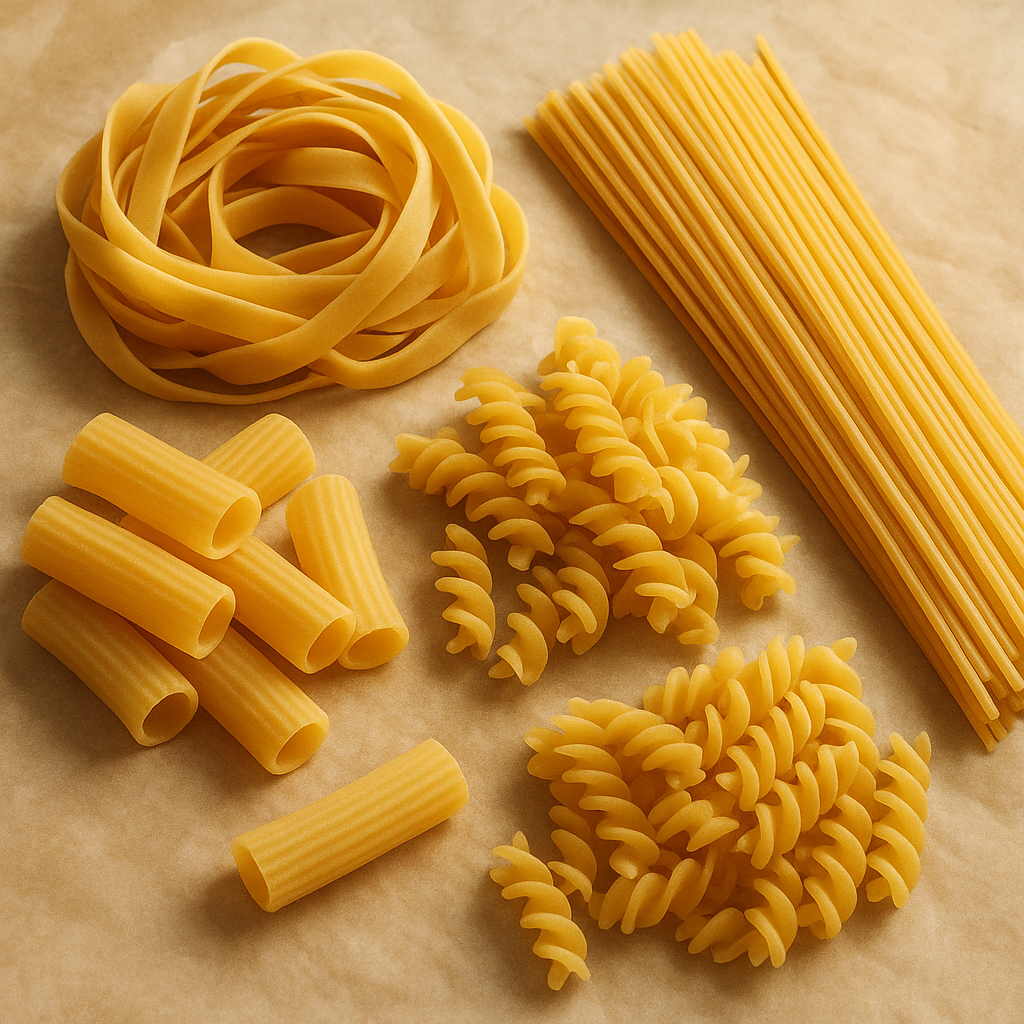
This is a type of pasta made from durum wheat semolina. It is shaped into long, thin, solid, cylindrical strands. The product is enriched, meaning certain nutrients have been added back after processing. It is a staple food enjoyed in many cuisines around the world. The texture is firm when cooked al dente, providing a satisfying bite. It cooks relatively quickly, making it a convenient option for meals.
How people cook with it
Spaghetti is incredibly versatile and forms the base for countless dishes. It pairs well with a wide variety of sauces and toppings.
- With marinara sauce
- With pesto
- In baked dishes
- With meatballs
To prepare spaghetti, bring a large pot of salted water to a rolling boil. Add the dry spaghetti to the boiling water, stirring occasionally to prevent sticking. Cook according to package directions until it reaches your desired tenderness, typically al dente. Drain the pasta thoroughly in a colander. It is now ready to be tossed with your favorite sauce, herbs, and other ingredients. Avoid rinsing the pasta unless the recipe specifically calls for it, as this can remove starches that help sauce adhere.
How it differs from similar foods
Compared to other pasta shapes like penne or rotini, spaghetti's long, thin strands are ideal for clinging to lighter, smoother sauces. Thicker pastas can sometimes overwhelm delicate flavors, while spaghetti's surface area allows for even coating.
Who it is for
Home cooks and professional chefs alike use spaghetti for everyday meals and special occasions.
How to keep the rest
Store uncooked spaghetti in a cool, dry place in its original packaging or an airtight container. Once cooked, refrigerate any leftovers promptly in a sealed container. It is best consumed within a few days of cooking.