
Grocery
Enriched Linguine Pasta
What it is
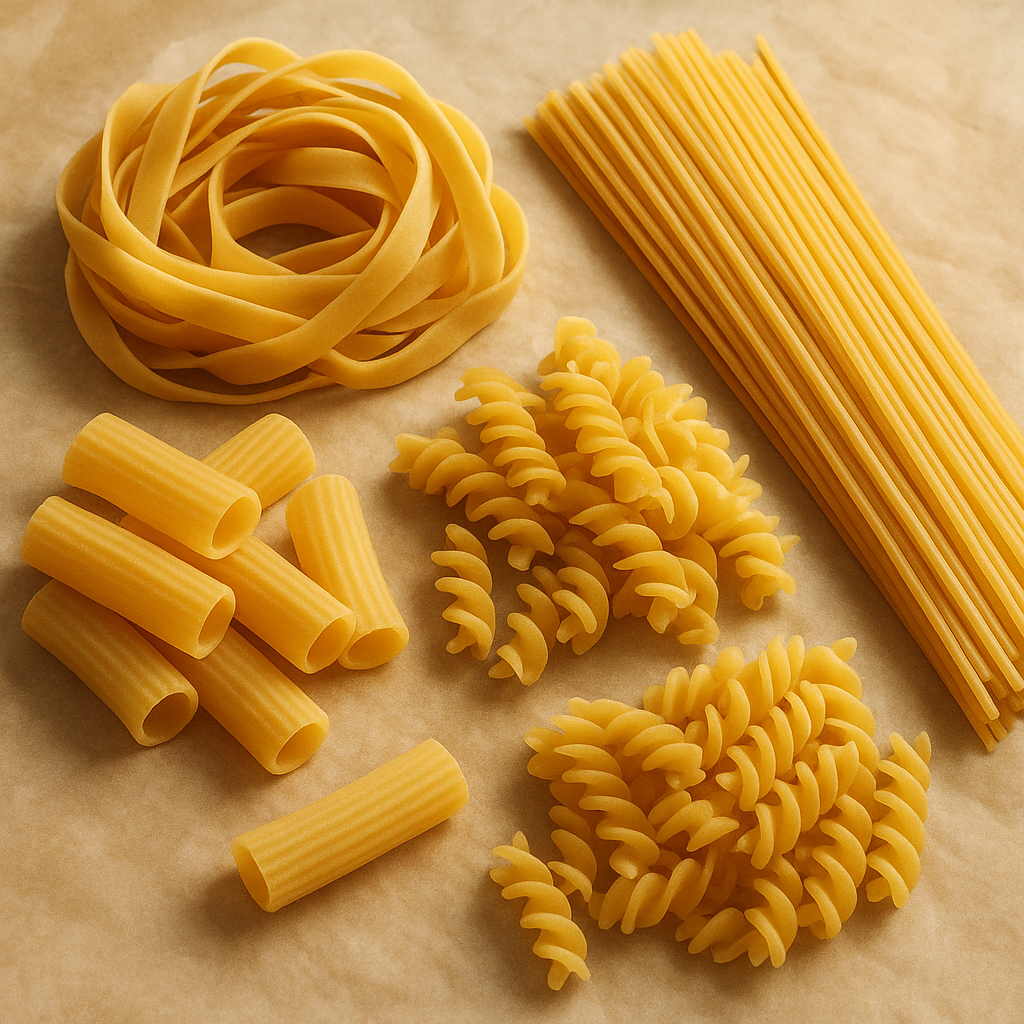
Linguine is a long, flat, and narrow pasta shape, wider than spaghetti but not as wide as fettuccine. It is a staple in many kitchens, offering a versatile base for a wide range of dishes. The enrichment process adds back nutrients that may be lost during milling.
How people cook with it
Linguine is a popular choice for both simple weeknight meals and more elaborate dinner party dishes.
- With seafood sauces
- In creamy pasta bakes
- Tossed with pesto
- As a base for vegetable dishes
To prepare, bring a large pot of salted water to a rolling boil. Add the linguine and stir occasionally to prevent sticking. Cook according to package directions until al dente, which means it should be tender but still firm to the bite. Drain the pasta well, reserving some of the cooking water. Toss the drained linguine immediately with your chosen sauce, adding a splash of the reserved pasta water if needed to help the sauce coat the strands evenly.
How it differs from similar foods
Compared to spaghetti, linguine is flatter and wider, which allows it to hold onto sauces differently. It is narrower than fettuccine, offering a distinct texture and mouthfeel. This shape makes it particularly well-suited for lighter sauces and those with finely chopped ingredients.
Who it is for
Home cooks and professional chefs alike use linguine for its adaptability.
How to keep the rest
Store any unused, uncooked linguine in a cool, dry place in its original packaging or an airtight container. Ensure it is protected from moisture and pests. Properly stored, it will maintain its quality for an extended period.