
Grocery
Enriched Long Grain Parboiled Rice
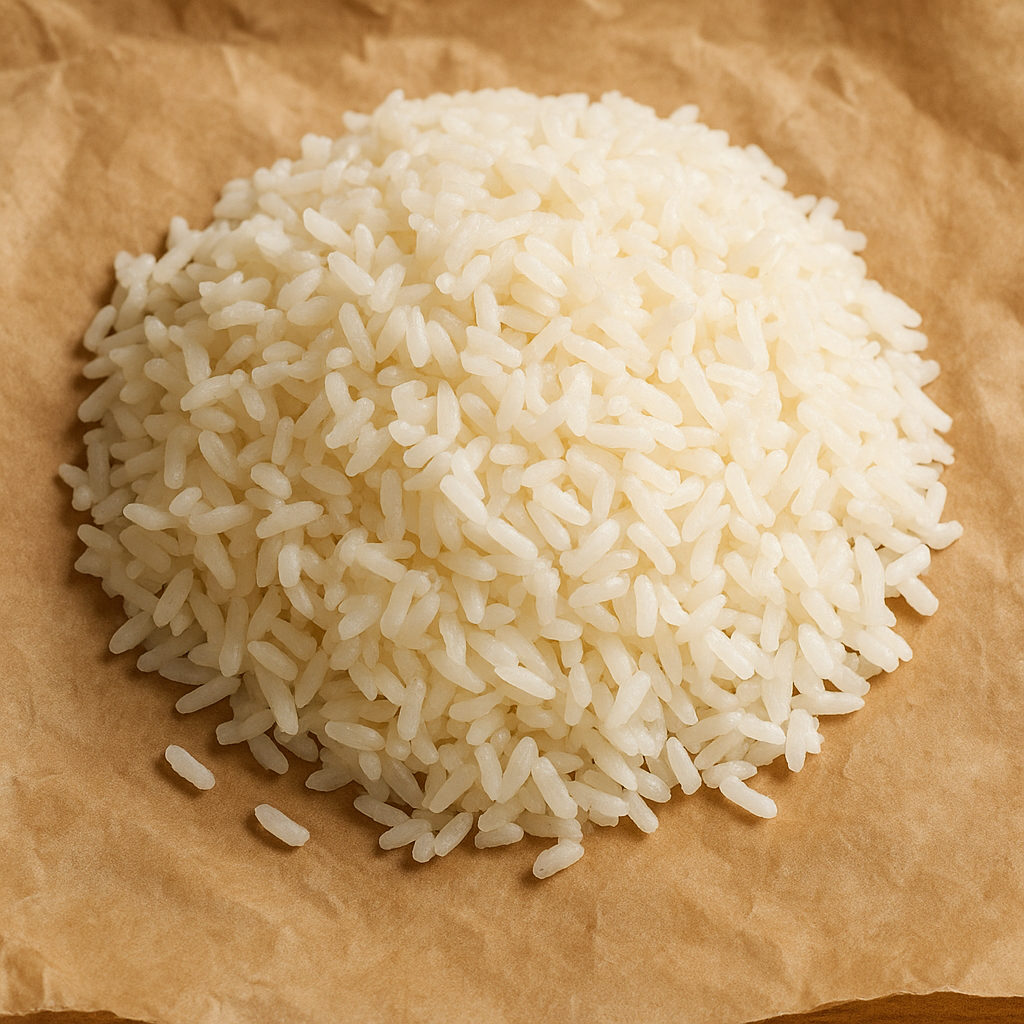
What it is
This is a type of rice that has been partially boiled in the husk. This process helps to retain more of the natural nutrients from the bran and germ, which are often removed during milling. The parboiling also gelatinizes the starch, making the grains firmer and less likely to stick together after cooking. It is a staple grain enjoyed worldwide for its versatility and satisfying texture.
How people cook with it
This rice is a foundational ingredient in many cuisines. It serves as a base for a wide variety of dishes, absorbing flavors beautifully.
- Side dish for curries
- Base for stir-fries
- Ingredient in pilafs
- Filling for stuffed vegetables
To prepare this rice, typically you will rinse it under cold water to remove excess starch. Then, combine the rice with the recommended amount of water or broth in a saucepan. Bring the mixture to a boil, then reduce the heat to low, cover tightly, and simmer until all the liquid is absorbed and the rice is tender. Fluff with a fork before serving. The parboiling process means it can sometimes be more forgiving if slightly overcooked compared to raw rice.
How it differs from similar foods
Compared to regular long grain white rice, parboiled rice has a firmer texture and is less prone to clumping. Its grains tend to remain separate after cooking, offering a distinct mouthfeel.
Who it is for
Home cooks and professional chefs alike use this rice for its reliable cooking properties and neutral flavor.
How to keep the rest
Store any unused cooked rice in an airtight container in the refrigerator. It is best consumed within a few days. For uncooked rice, keep it in a cool, dry place in its original packaging or a sealed container to maintain freshness and prevent moisture absorption.