
Grocery
Farm Fresh Eggs
What it is
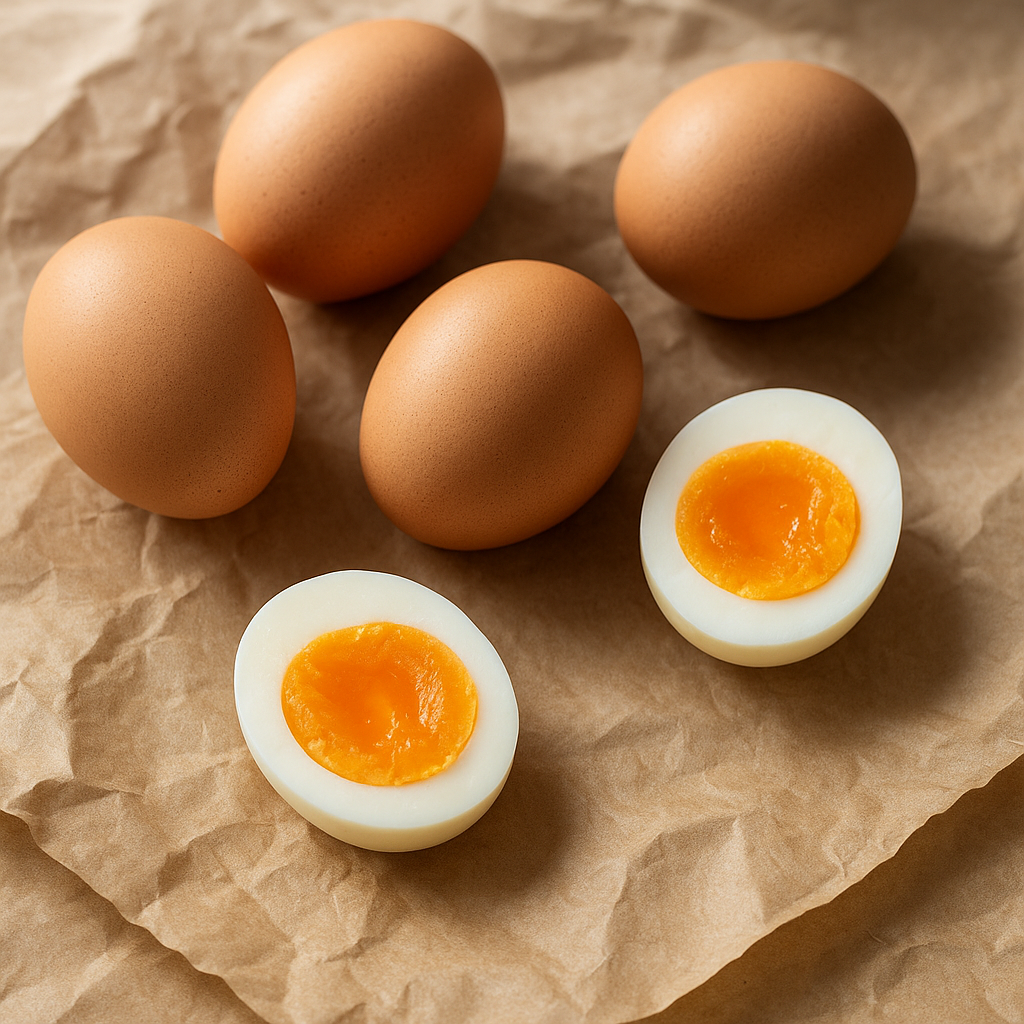
These are fresh eggs, laid by hens. They come in a carton, typically containing a dozen. The shells can vary in color, but this does not affect the egg's quality or taste. Inside, you will find the yolk and the white, which are essential components in many dishes. Eggs are a versatile ingredient found in kitchens worldwide.
How people cook with it
Eggs are a staple for breakfast and can be incorporated into countless recipes. Their unique properties make them useful for binding, leavening, and enriching food.
- Scrambled for breakfast
- Baked into cakes
- Fried for sandwiches
- Hard-boiled for snacks
Eggs can be prepared in many ways. For a simple breakfast, they can be scrambled in a pan with a little butter or oil until set. They can also be fried, either sunny-side up, over easy, or over hard, depending on preference. For baking, eggs are often whisked to incorporate air, which helps cakes and other baked goods rise. They are also commonly hard-boiled, a method that involves simmering the eggs in water until the yolk and white are solid, making them convenient for salads or as a standalone snack.
How it differs from similar foods
While all eggs serve a similar culinary purpose, the freshness can impact texture and flavor. Fresher eggs tend to have firmer whites that spread less when cooked. The breed of hen and their diet can also subtly influence the yolk's color and richness.
Who it is for
Home cooks and professional chefs alike use eggs for their versatility and fundamental role in cooking and baking.
How to keep the rest
To keep the remaining eggs fresh, store them in their original carton in the refrigerator. The carton protects them from absorbing odors and prevents damage. It is best to keep them on a shelf rather than in the door, where temperature fluctuations are more common.