
First Light
First Light Pasture-Raised Eggs
What it is
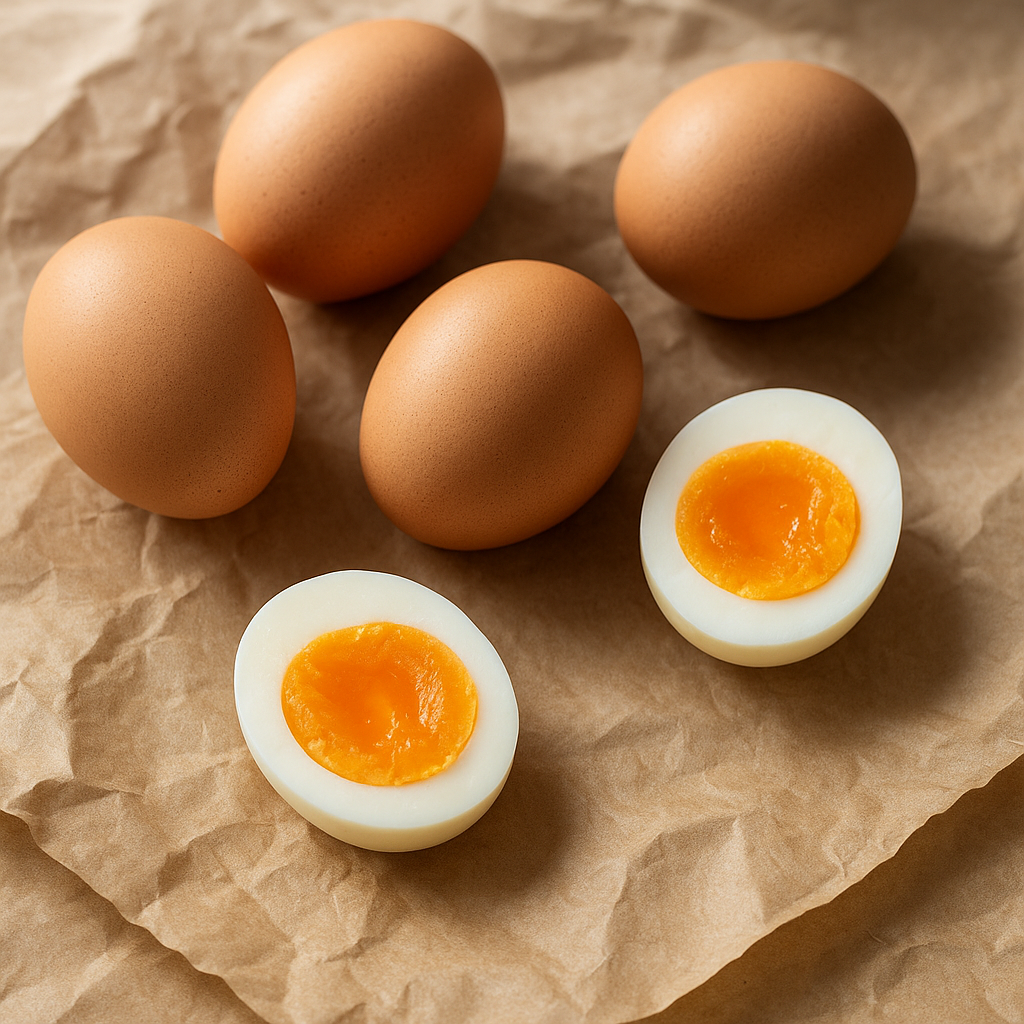
These are eggs laid by hens that are allowed to roam freely outdoors and forage on pasture. This diet of grasses and insects contributes to the unique characteristics of the eggs. The yolks are often a deeper color, and the flavor can be richer compared to conventional eggs.
How people cook with it
Eggs are incredibly versatile and can be prepared in countless ways. They are a fundamental ingredient in both sweet and savory dishes.
- Scrambled for breakfast
- Fried for sandwiches
- Baked into cakes
- Whisked into sauces
Eggs can be cooked using various methods. They can be gently whisked with a touch of milk or water and cooked in a non-stick pan over medium-low heat for soft, creamy scrambled eggs. For a firmer texture, increase the heat slightly. They can also be fried sunny-side up, over easy, or over hard, depending on your preference for yolk consistency. Baking eggs into custards, quiches, or meringues unlocks their binding and leavening properties, transforming them into essential components of baked goods.
How it differs from similar foods
Pasture-raised eggs often have a deeper orange yolk color due to the hens' varied diet of greens and insects. This diet can also contribute to a richer, more complex flavor profile compared to eggs from hens raised in confinement, which primarily eat commercial feed.
Who it is for
Home cooks and bakers who appreciate the quality and potential flavor differences in their ingredients.
How to keep the rest
To maintain freshness, store uncooked eggs in their original carton in the coldest part of your refrigerator, typically the main body and not the door. This helps prevent them from absorbing odors and keeps them at a consistent temperature, extending their shelf life.