
Food Club
Food Club Distilled White Vinegar
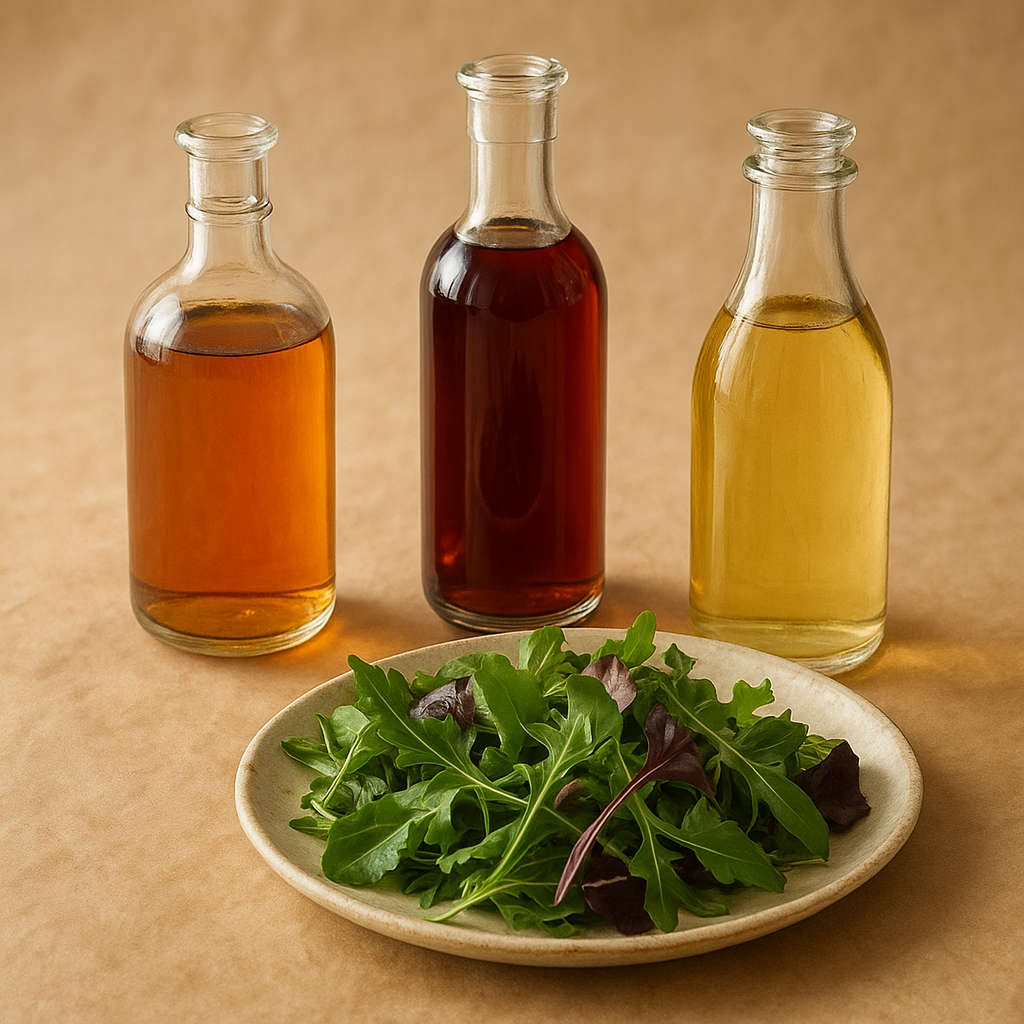
What it is
This is a clear, colorless liquid with a sharp, pungent aroma. It is produced through the fermentation of ethanol, which is then oxidized to acetic acid. The distillation process removes impurities, resulting in a clean, consistent flavor. It is a staple in many kitchens due to its versatility and effectiveness in various culinary and household tasks. The acidity is a key characteristic that makes it useful.
How people cook with it
Distilled white vinegar is a fundamental ingredient for adding tang and brightness to dishes. It also plays a role in preserving foods and tenderizing meats.
- Marinades for meats
- Pickling vegetables
- Salad dressings
- Cleaning solutions
In cooking, it can be added to sauces, soups, and stews to balance richness and cut through fat. It is essential for making homemade mayonnaise and is a key component in many vinaigrettes. When pickling, its acidity helps preserve the vegetables and imparts a distinct sour flavor. It can also be used to tenderize tougher cuts of meat when used in marinades.
How it differs from similar foods
Compared to other vinegars like apple cider or red wine vinegar, distilled white vinegar has a more neutral flavor profile. It lacks the fruity notes or complex undertones found in those varieties, making it ideal when a pure acidic punch is desired without altering other flavors.
Who it is for
Home cooks and professional chefs alike rely on this versatile ingredient for a wide range of applications.
How to keep the rest
To maintain its quality, store the unopened bottle in a cool, dry place away from direct sunlight. Once opened, it can be kept at room temperature. The acidity helps preserve it, so refrigeration is not typically necessary.