
Grocery
Distilled White Vinegar
What it is
Distilled white vinegar is a clear, colorless liquid made from the fermentation of grain alcohol. It has a sharp, acidic taste and a pungent aroma. This common pantry staple is produced through a two-step fermentation process. First, yeast converts sugars into alcohol. Then, a second fermentation introduces acetic acid bacteria, which convert the alcohol into acetic acid, the primary component of vinegar. Its purity and consistent acidity make it a versatile ingredient in many culinary applications.
How people cook with it
This vinegar is a fundamental ingredient for adding tang and brightness to a wide range of dishes. It's also useful for cleaning and preserving.
- Marinades and dressings
- Pickling vegetables
- Cleaning surfaces
- Baking leavening
In cooking, distilled white vinegar is often used to balance rich flavors or to tenderize meats in marinades. It can be added to sauces and dips for a zesty kick. In baking, it reacts with baking soda to help create lift and a tender crumb in cakes and quick breads. It's also a key component in homemade salad dressings and marinades, providing a bright, acidic counterpoint to fats and sugars. Beyond the kitchen, its acidity makes it effective for household cleaning tasks, from descaling appliances to polishing glass.
How it differs from similar foods
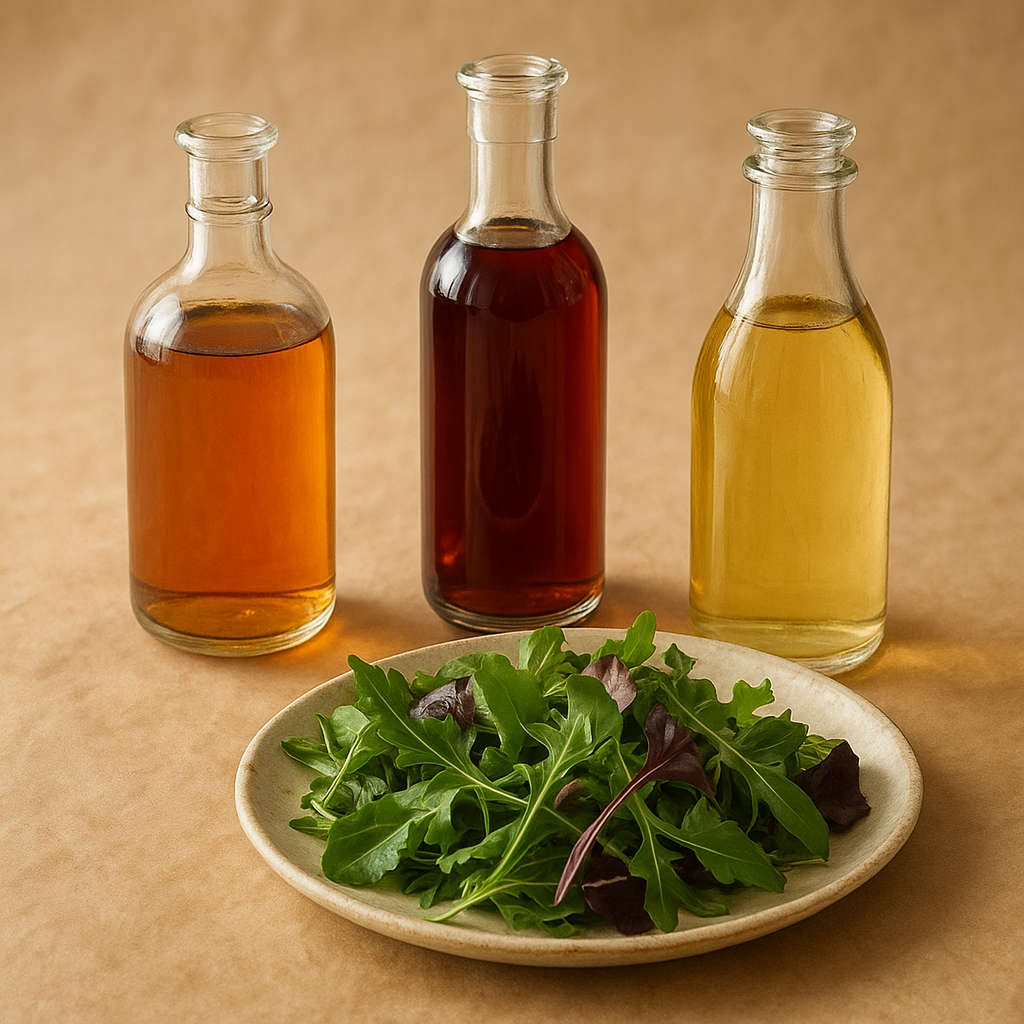
Compared to other vinegars like apple cider or red wine vinegar, distilled white vinegar has a more neutral flavor profile and a higher acidity level. This makes it ideal when you want pure acidity without adding competing flavors, such as in pickling or certain baking applications where a clean taste is desired.
Who it is for
Home cooks and bakers frequently reach for this vinegar for its versatility and clean flavor.
How to keep the rest
To maintain its quality, store distilled white vinegar in a cool, dark place away from direct sunlight and heat. Keep the bottle tightly sealed to prevent evaporation and contamination. It has a long shelf life and does not require refrigeration, making it a convenient staple to keep on hand.