
Giant Eagle
Giant Eagle Distilled White Vinegar
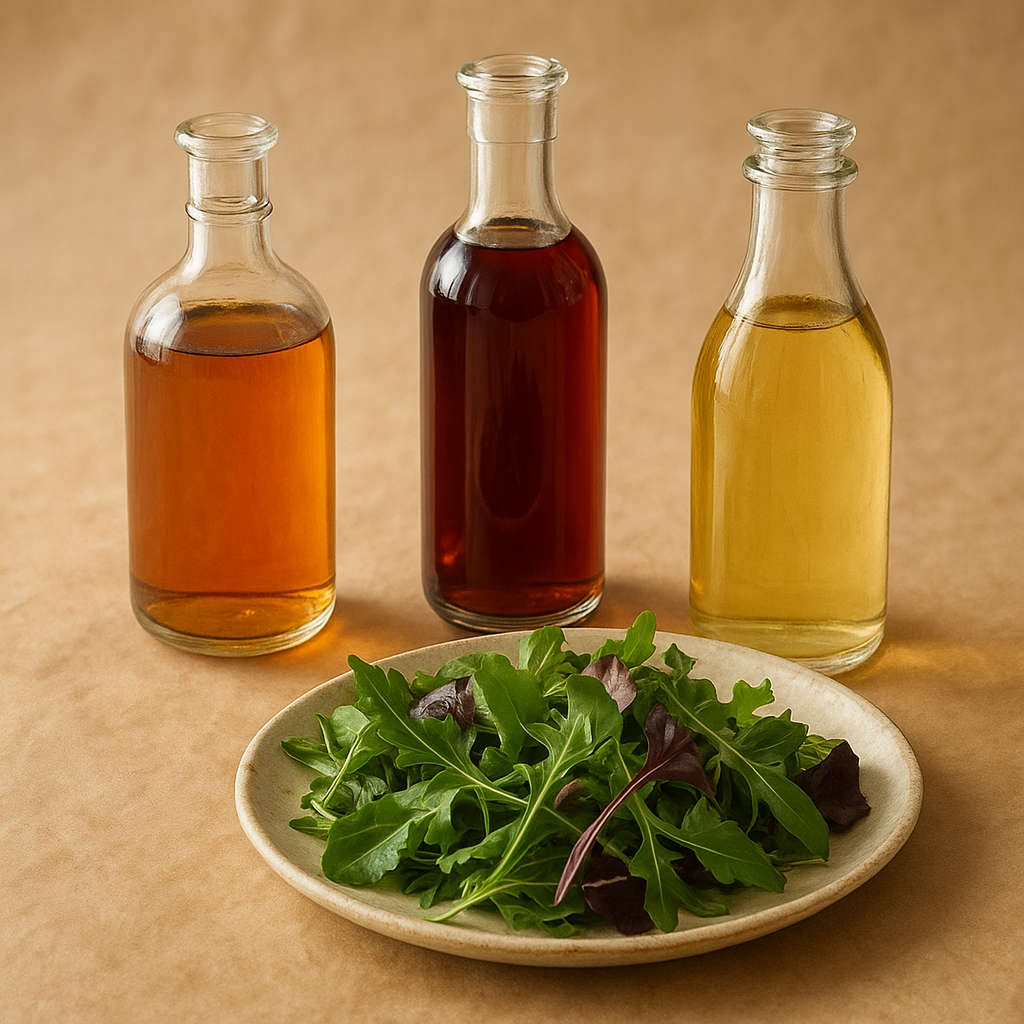
What it is
This is a clear, colorless liquid with a sharp, pungent aroma and taste. It is produced through the fermentation of ethanol, typically from grain alcohol, followed by a process of distillation. The distillation removes impurities and concentrates the acetic acid, resulting in a consistent and potent flavor. Its acidity makes it a versatile ingredient in many culinary and household applications.
How people cook with it
Vinegar is a staple in many kitchens, used for both flavor enhancement and practical purposes. Its sharp taste can cut through richness and brighten dishes.
- Marinades for meats
- Pickling vegetables
- Homemade salad dressings
- Cleaning surfaces
In cooking, distilled white vinegar is often used to add a bright, acidic note to dishes. It can be a key component in homemade salad dressings, providing a tangy counterpoint to oil and other ingredients. It is also frequently used in marinades to tenderize meats and add flavor. For preservation, it is essential for pickling vegetables, creating a briny and sour brine that inhibits spoilage. Beyond the kitchen, its acidity makes it effective for cleaning and deodorizing household surfaces.
How it differs from similar foods
Compared to other vinegars like apple cider or red wine vinegar, distilled white vinegar has a more neutral flavor profile and a higher acidity. This makes it ideal when a pure sourness is desired without imparting additional fruity or complex notes. Its clarity also means it won't alter the color of lighter-colored foods.
Who it is for
Home cooks and bakers often keep this pantry staple on hand for a variety of culinary tasks.
How to keep the rest
To maintain its quality, store distilled white vinegar in a cool, dark place away from direct sunlight. Ensure the cap is tightly sealed after each use to prevent evaporation and preserve its potency. It does not require refrigeration and has a very long shelf life.