
Over The Top · 4 g
Decorating Sanding Sugar
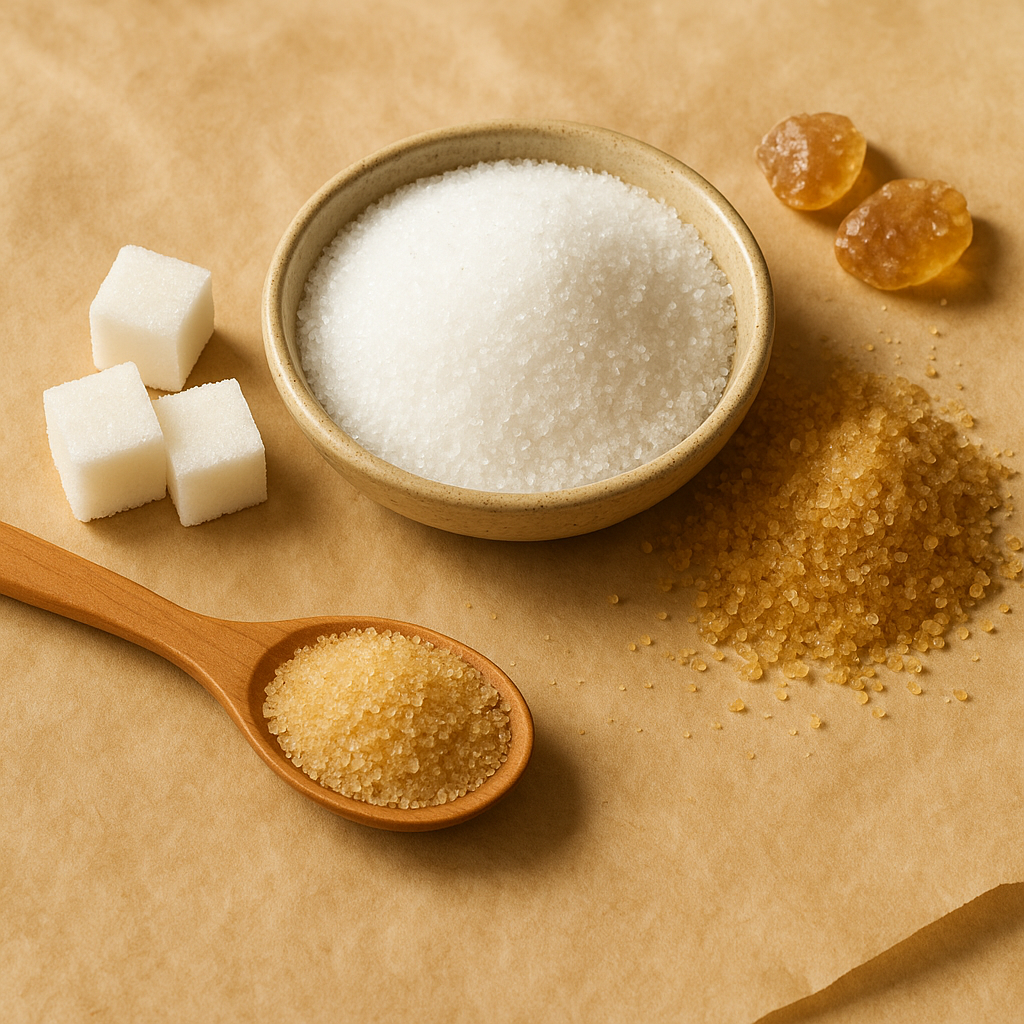
What it is
This is a type of sugar that has been granulated into larger, coarser crystals than regular granulated sugar. The crystals are often clear or have a subtle shimmer, making them ideal for adding sparkle and texture to baked goods. It is a decorative element rather than a primary sweetener, providing visual appeal and a slight crunch.
How people cook with it
Sanding sugar is primarily used for decorating cakes, cookies, and other desserts. It adds a professional and festive finish to homemade treats.
- Sprinkled on cookies before baking
- Used to decorate cake frosting
- Added to the tops of muffins
- Edging cocktail glasses
Apply sanding sugar after frosting or glazing baked goods for the best adhesion. For cookies, you can press the sugar crystals gently into the dough before baking, or sprinkle them on top once the cookies are out of the oven and still warm. It can also be used to rim glasses for beverages, creating a festive and edible garnish. The larger crystals hold their shape and sparkle under light, making them a popular choice for special occasions and celebrations.
How it differs from similar foods
Unlike fine granulated sugar, sanding sugar's larger crystals provide a distinct visual texture and a noticeable crunch. It does not dissolve as readily as finer sugars, allowing it to maintain its decorative integrity on baked goods. Its clarity or subtle shimmer also sets it apart from colored sugars.
Who it is for
Home bakers and professional decorators use sanding sugar to enhance the visual appeal of their creations.
How to keep the rest
Store any unused sanding sugar in a cool, dry place in an airtight container. Keep it away from moisture to prevent clumping. Properly stored, it will remain free-flowing and ready for your next decorating project.