
Grocery
Davis Meats Pork Shoulder Roast
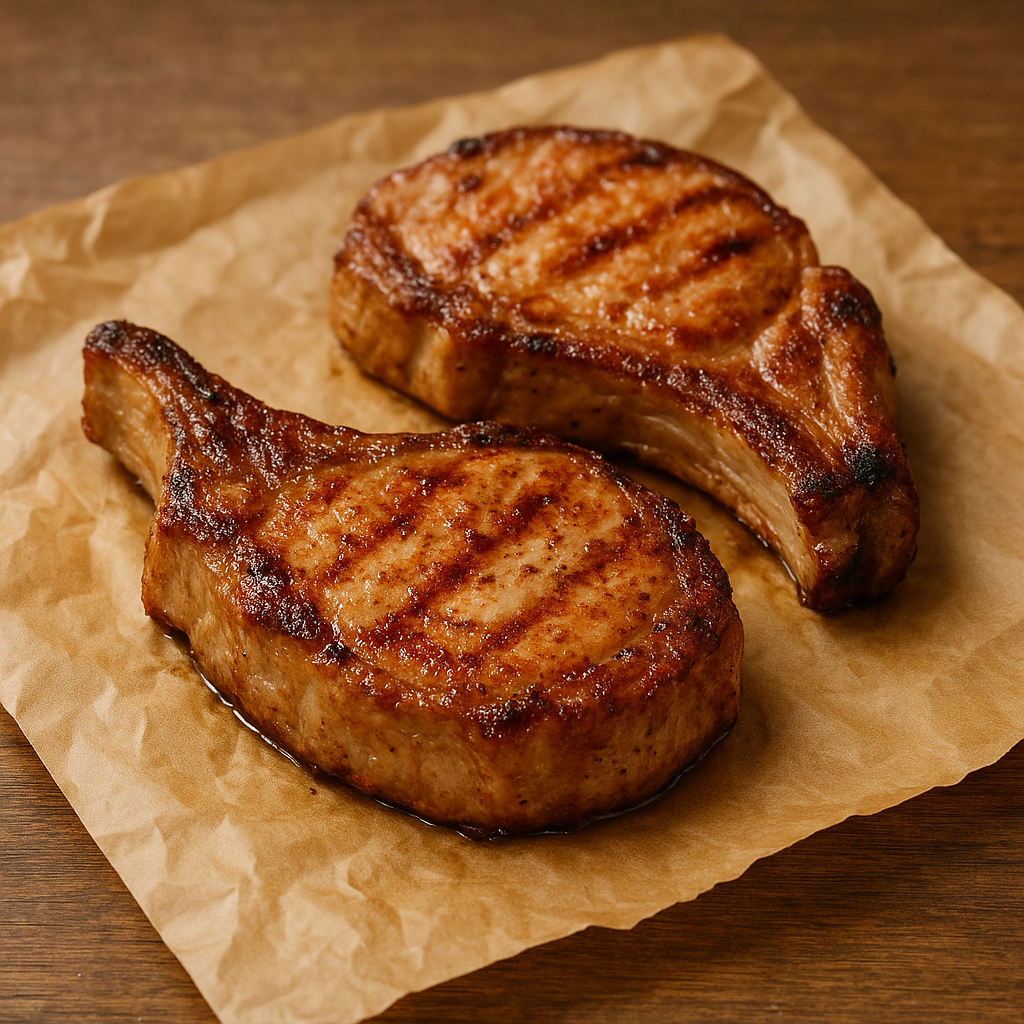
What it is
This is a cut of pork from the shoulder area, often referred to as the picnic shoulder or Boston butt. It is known for its rich marbling and connective tissue, which break down during slow cooking. This characteristic makes it ideal for tender, flavorful preparations. The roast typically comes with the skin on or off, depending on the cut and butcher. It is a versatile piece of meat that can be transformed into many dishes.
How people cook with it
Pork shoulder is a favorite for slow-cooked meals. It excels in applications where time allows the meat to become exceptionally tender.
- Pulled pork sandwiches
- Slow-cooked stews
- Roasts for family dinners
- Carnitas
To prepare, you can season the pork shoulder generously with salt, pepper, and your favorite herbs and spices. For a roast, sear it first in a hot pan to develop a flavorful crust. Then, transfer it to a baking dish or slow cooker with some liquid, such as broth or water, and cook at a low temperature for several hours until fork-tender. The long cooking time allows the fat and collagen to render, basting the meat and creating a succulent result. It can also be braised or smoked.
How it differs from similar foods
Compared to leaner cuts like pork loin, pork shoulder has a higher fat content and more connective tissue. This means it requires longer, slower cooking methods to achieve tenderness. While pork loin is best cooked quickly to avoid drying out, pork shoulder benefits from extended cooking to become succulent and fall-apart tender.
Who it is for
Home cooks looking to create hearty, flavorful meals for gatherings or weeknight dinners will find this cut very rewarding.
How to keep the rest
Refrigerate any uncooked portions promptly. For longer storage, wrap tightly in plastic wrap or place in an airtight container. It can be frozen for several months. Thaw in the refrigerator before cooking.