
Margaret Holmes
Margaret Holmes Dark Red Kidney Beans
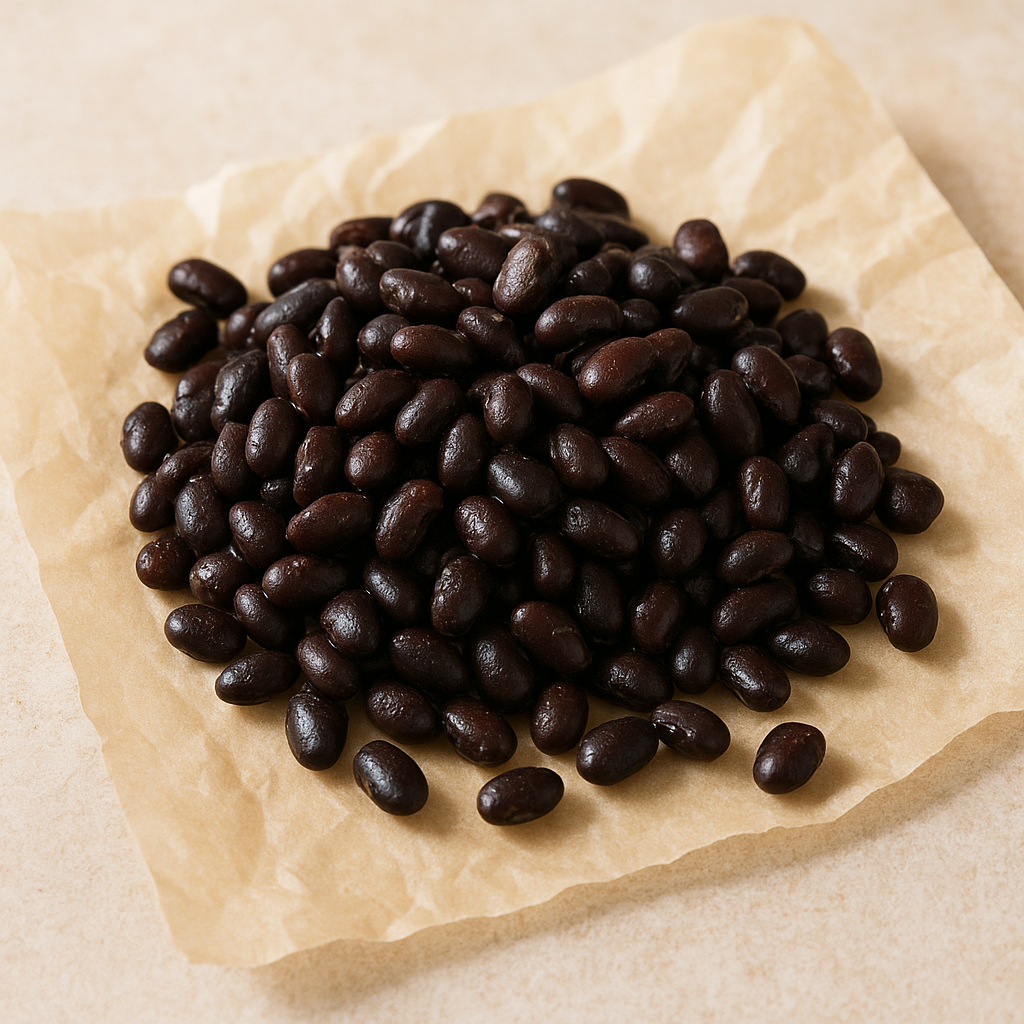
What it is
These are dark red kidney beans, a variety of the common bean, that have been cooked and canned. They are a convenient pantry staple, ready to be incorporated into various dishes. The beans are whole and retain their shape after processing. They offer a mild, earthy flavor and a tender texture that complements many ingredients. This product provides a quick way to add legumes to your meals without the need for soaking or long cooking times.
How people cook with it
Canned kidney beans are incredibly versatile in the kitchen. They are a popular choice for adding substance and flavor to a wide range of recipes.
- Added to chili
- Mixed into salads
- Used in bean dips
- Incorporated into stews
To use these canned kidney beans, simply open the can and drain the liquid. You can then rinse the beans under cold water to remove any excess canning liquid or saltiness, though this step is optional depending on your preference and the recipe. They can be added directly to hot dishes like soups, stews, and casseroles to heat through. For cold applications, such as salads or dips, they can be used straight from the can after draining and rinsing. They absorb flavors well, making them a great base for various culinary creations.
How it differs from similar foods
Dark red kidney beans have a slightly firmer texture and a deeper, earthier flavor compared to lighter varieties like pink beans. Their color also lends a richer hue to dishes. They are less likely to break down during cooking than some other bean types, maintaining their shape.
Who it is for
Home cooks looking for a convenient way to add beans to their meals will find these useful.
How to keep the rest
After opening the can, transfer any unused beans to a clean, airtight container. Store the container in the refrigerator and use the beans within 3 to 4 days. This ensures they remain fresh and safe to consume for your next meal preparation.