
Grocery
Frozen Cut Corn Kernels
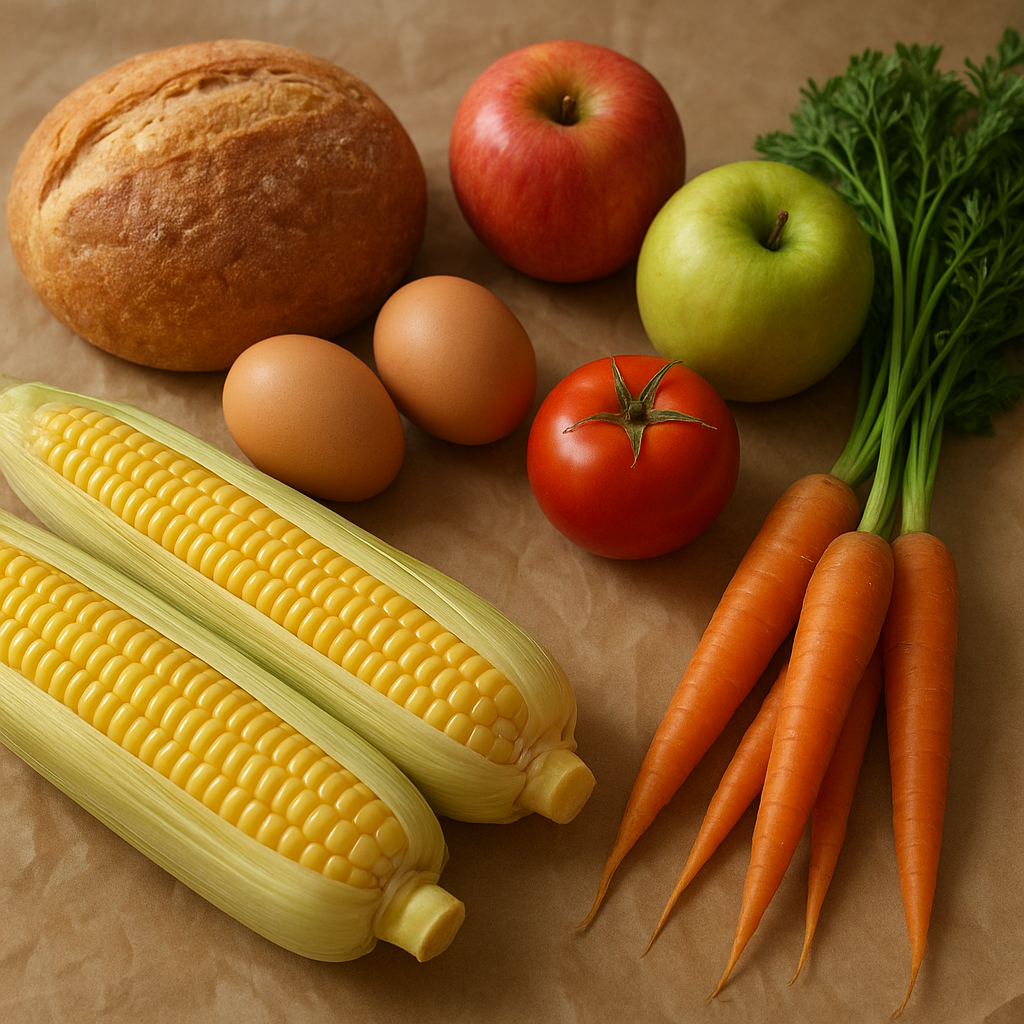
What it is
These are sweet corn kernels that have been harvested, cut from the cob, and then frozen. Freezing helps to preserve the corn's natural sweetness and texture. The kernels are typically uniform in size, making them easy to measure and use in various dishes. This product offers the convenience of having corn readily available without the need for fresh preparation.
How people cook with it
Frozen corn is a versatile ingredient that can be added to many meals.
- Added to soups and stews
- Mixed into salads
- Used as a side dish
- Incorporated into casseroles
To cook frozen corn, you can boil, steam, or microwave it. For boiling, add the frozen kernels to a pot of boiling water and cook for a few minutes until tender. Steaming involves placing the corn in a steamer basket over boiling water. Microwaving is a quick option; place the corn in a microwave-safe dish with a little water and heat until done. You can also add it directly to dishes like chili, chowder, or pasta sauces, allowing it to heat through during the cooking process.
How it differs from similar foods
Compared to fresh corn, frozen corn offers extended shelf life and requires no shucking or cutting. Canned corn, while convenient, can sometimes have a softer texture and a slightly different flavor profile due to the canning process and added liquids.
Who it is for
Home cooks and busy individuals who want to easily incorporate vegetables into their meals.
How to keep the rest
Store any unused portion of the frozen corn in its original packaging or an airtight container in the freezer. Ensure it remains frozen to maintain quality and prevent spoilage. Proper storage will keep the corn fresh for future use.