
Grocery
Frozen Cut Corn Kernels
What it is
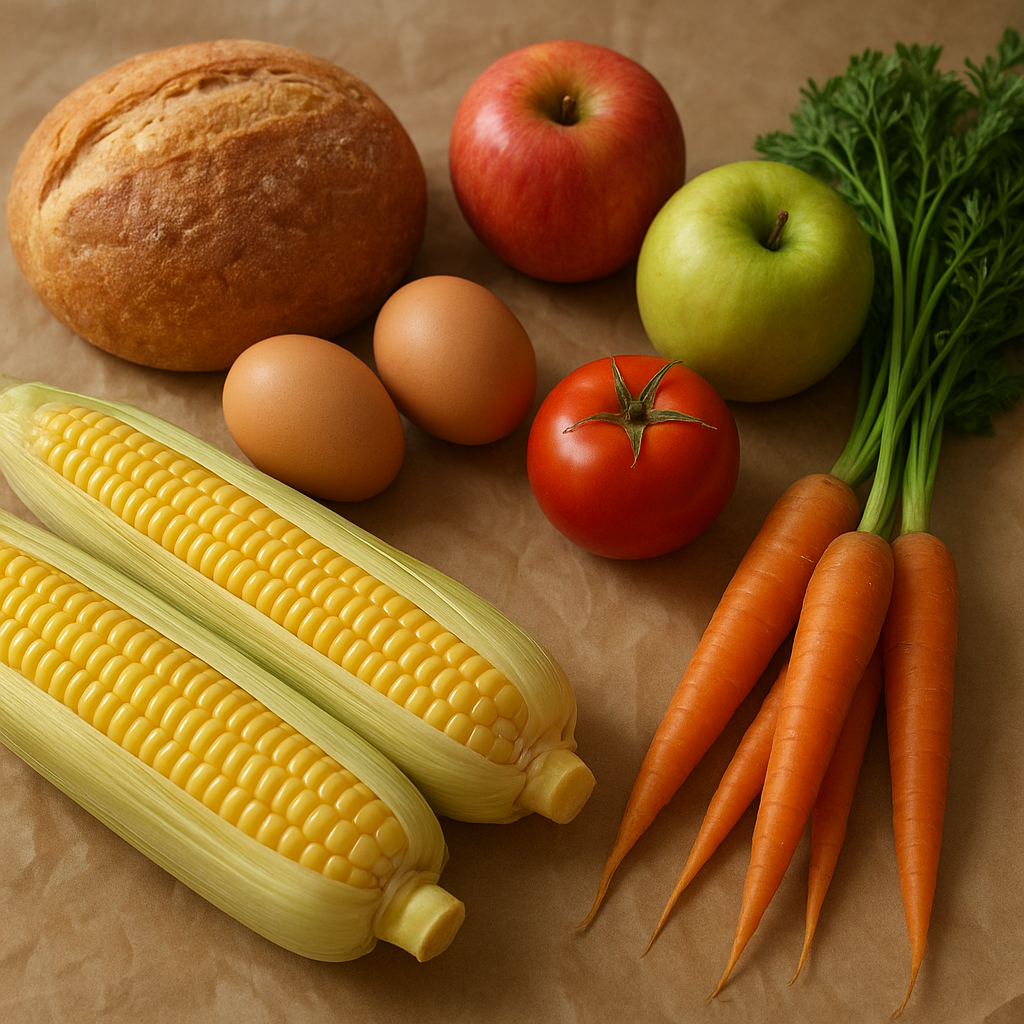
These are sweet corn kernels that have been harvested at their peak ripeness and then flash-frozen to preserve their fresh taste and texture. The corn is typically cut from the cob before being packaged. This method of preservation locks in the natural sweetness and vibrant yellow color of the corn, making it a convenient option for home cooks. It is a versatile vegetable that can be used in a wide variety of dishes throughout the year.
How people cook with it
Frozen corn is a pantry staple that adds a touch of sweetness and color to many meals. It is a convenient way to enjoy corn when fresh corn is not in season.
- Added to soups and stews
- Mixed into salads
- Served as a side dish
- Incorporated into casseroles
To prepare, you can cook the frozen corn directly from its frozen state. Many prefer to boil or steam it for a few minutes until tender. Alternatively, it can be sautéed in a pan with a little butter or oil, or even added to microwave-safe dishes for quick heating. For a more roasted flavor, spread the kernels on a baking sheet and roast in the oven. Ensure the corn is heated through before serving to enjoy its best texture and taste.
How it differs from similar foods
Compared to canned corn, frozen corn generally retains a firmer texture and a brighter, fresher flavor. Canned corn can sometimes become softer and may have a slightly different taste due to the canning process and added liquids. Frozen corn offers a closer approximation to the taste and feel of freshly picked corn.
Who it is for
Home cooks looking for a convenient way to add vegetables to their meals.
How to keep the rest
Store the package in your freezer at 0°F (-18°C) or colder. Keep the bag tightly sealed to prevent freezer burn and maintain quality. Once thawed, do not refreeze. It is best to use within the recommended timeframe for optimal freshness and flavor.