
Grocery
Cultured Sour Cream
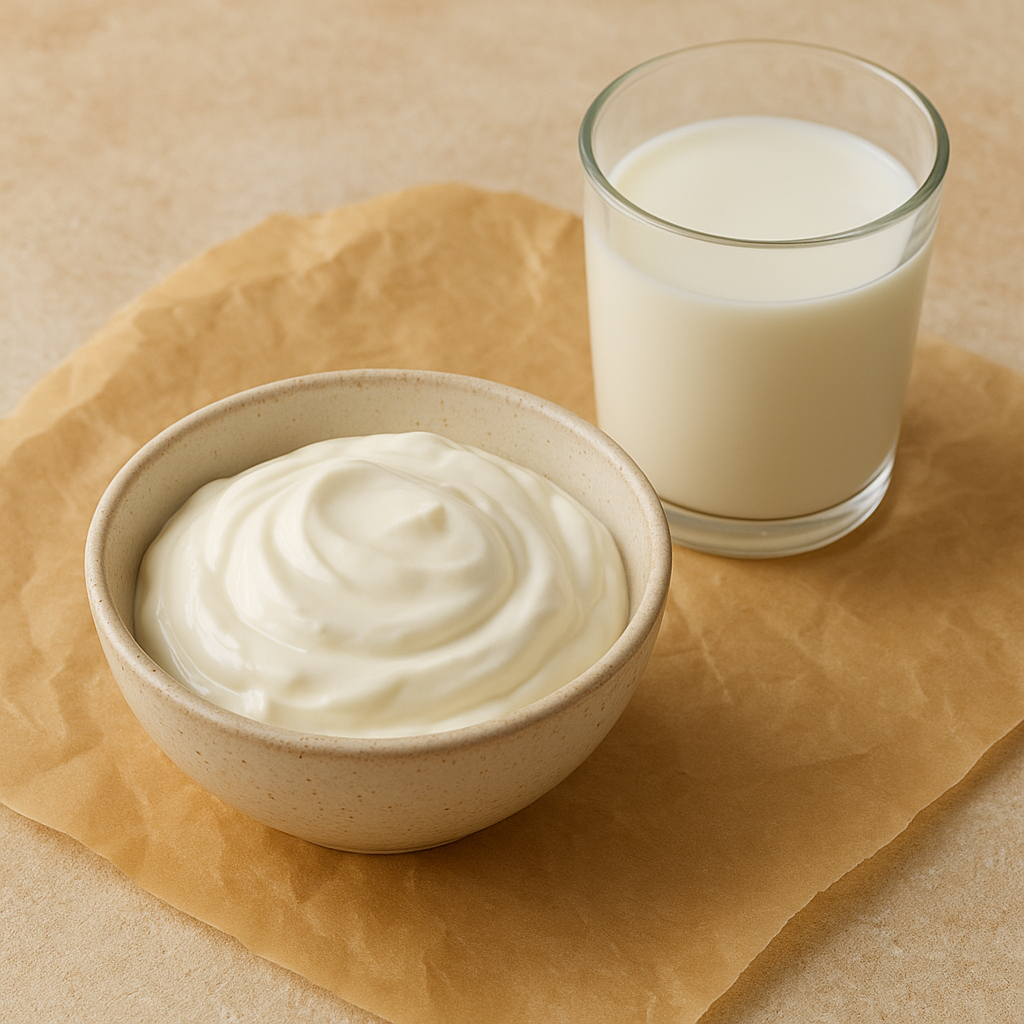
What it is
This is a dairy product made by fermenting regular cream with specific lactic acid bacteria. The culturing process gives it a distinctive tangy flavor and a thicker consistency than plain cream. It is a common ingredient in many cuisines, valued for its rich taste and ability to add moisture and depth to dishes. The bacteria consume lactose, producing lactic acid which contributes to its characteristic sourness and preservation.
How people cook with it
Cultured sour cream is a versatile ingredient used both in cooking and as a topping.
- Dollop on chili
- Mix into dips
- Bake into cakes
- Stir into sauces
It can be stirred into hot dishes towards the end of cooking to prevent curdling, or used as a cooling contrast to spicy foods. When baking, it adds moisture and tenderness to batters, resulting in a finer crumb. It also emulsifies well, helping to bind ingredients in dressings and sauces. For a simple topping, a spoonful can elevate baked potatoes, tacos, or even fresh fruit. Its smooth texture makes it ideal for blending into smooth dips and spreads.
How it differs from similar foods
Unlike regular cream, cultured sour cream has undergone fermentation, which results in a noticeable tanginess and a thicker, more stable texture. This sourness can cut through richness in dishes, while its stability makes it less prone to separating when heated compared to uncultured cream.
Who it is for
Home cooks and professional chefs alike use it to enhance flavor and texture in a wide range of recipes.
How to keep the rest
Keep refrigerated. Once opened, cover the container tightly to prevent it from absorbing odors from other foods. It is best to use within the recommended date on the packaging for optimal freshness and flavor.