
Grocery
Cultured Sour Cream
What it is
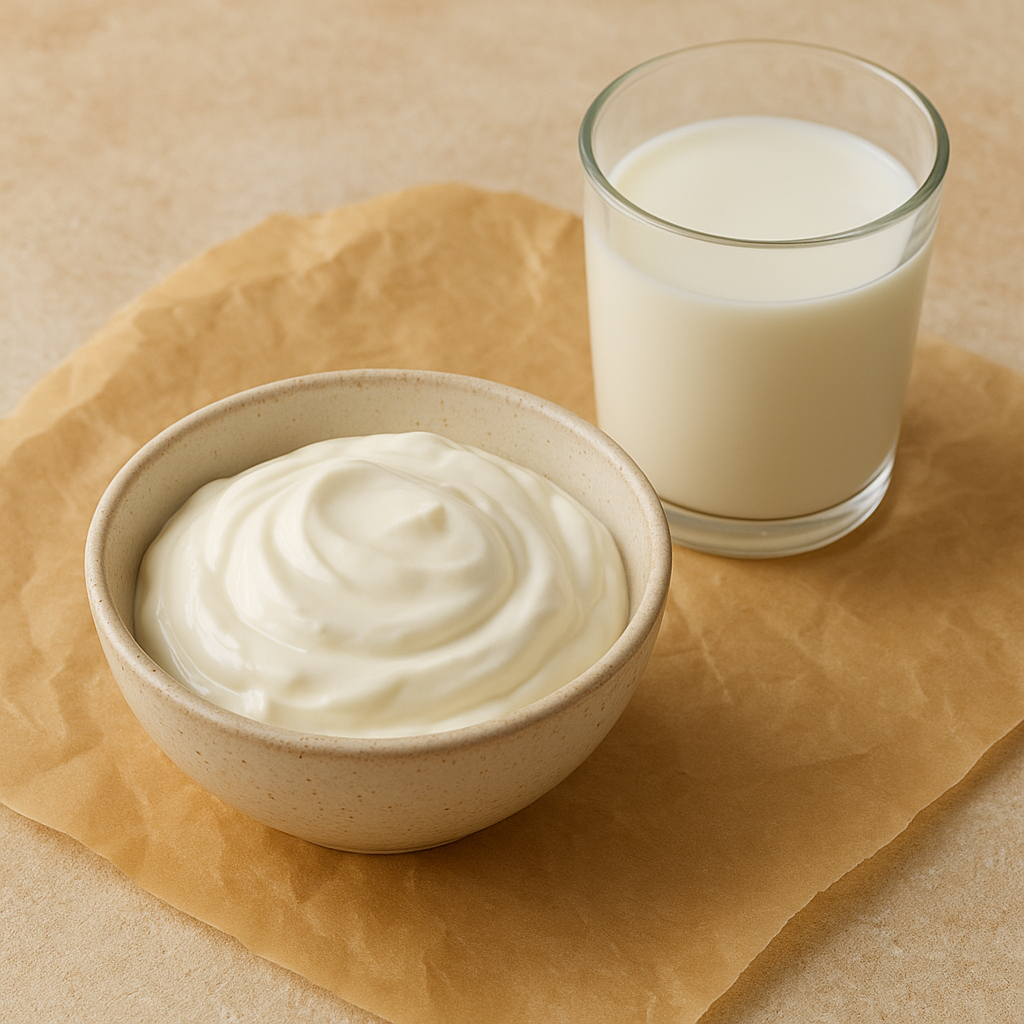
Cultured sour cream is a dairy product made by fermenting regular cream with specific lactic acid bacteria. This fermentation process gives it a characteristic tangy flavor and a thicker consistency than uncultured cream. It is a versatile ingredient used in both sweet and savory dishes, adding richness and a pleasant acidity. The culturing process also contributes to its smooth texture, making it a popular choice for many culinary applications.
How people cook with it
This cultured cream is a staple in many kitchens, perfect for enhancing both everyday meals and special occasion dishes. Its unique flavor profile makes it a valuable addition to a wide range of recipes.
- Topping for baked potatoes
- Base for dips and dressings
- Ingredient in baked goods
- Sauce thickener
Cultured sour cream can be used in numerous ways. It is excellent as a dollop on chili, tacos, or baked potatoes, providing a cooling contrast to spicy flavors. Whisked into sauces, it adds body and a subtle tang without curdling if not overheated. It also serves as a key component in many dips and salad dressings, binding ingredients together and contributing a creamy texture. In baking, it can replace other dairy in cakes and muffins, lending moisture and a tender crumb. For a simple dessert, it can be whipped with a little sugar and fruit.
How it differs from similar foods
Unlike regular cream, cultured sour cream has undergone fermentation, which results in a noticeably tangier taste and a firmer, thicker texture. This acidity can also help stabilize other ingredients in recipes, preventing separation. Regular cream is richer but lacks the characteristic sour notes.
Who it is for
Home cooks and professional chefs alike rely on cultured sour cream for its distinct flavor and texture.
How to keep the rest
To maintain its quality, keep cultured sour cream refrigerated. Ensure the container is tightly sealed after each use to prevent it from absorbing odors or drying out. It is best used by the date on the package, but can remain good for a short period afterward if stored properly.