
Grocery
Cultured Sour Cream
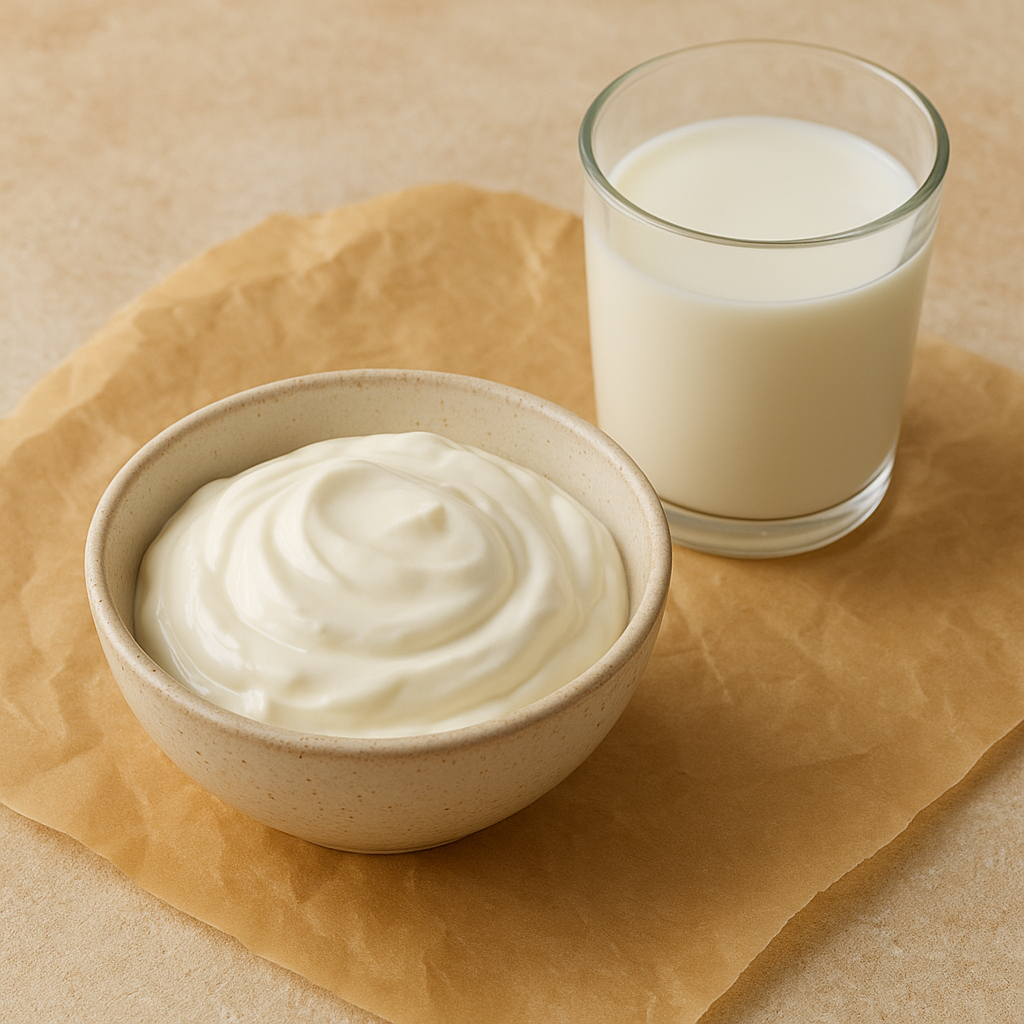
What it is
This is a dairy product made by fermenting regular cream with lactic acid bacteria. The bacteria consume lactose, the natural sugar in milk, and produce lactic acid. This process thickens the cream and gives it a characteristic tangy flavor. It has a smooth, rich texture that makes it versatile in many dishes. The cultured nature is what sets it apart from plain cream.
How people cook with it
Cultured sour cream is a staple in many kitchens, adding richness and a touch of acidity to both sweet and savory preparations.
- Topping for baked potatoes
- Base for dips and dressings
- Ingredient in baked goods
- Swirled into soups
It can be used in a variety of ways. Dollop it onto chili, tacos, or steaming bowls of soup for a creamy contrast. It's an excellent binder and moisture enhancer in cakes, muffins, and quick breads, often replacing some of the fat. For sauces and dips, it provides a smooth texture and a pleasant tang. When making salad dressings, it can be whisked with herbs, spices, and other liquids to create a flavorful coating.
How it differs from similar foods
Unlike regular cream, cultured sour cream has a thicker consistency and a distinct sour taste due to the fermentation process. This tanginess can cut through richness in dishes, offering a balanced flavor profile that plain cream cannot replicate. Its stability when heated also differs.
Who it is for
Home cooks and professional chefs alike use this ingredient for its unique flavor and texture.
How to keep the rest
To keep the rest fresh, store it in its original container in the refrigerator. Ensure the lid is tightly sealed to prevent it from absorbing odors from other foods. It is best used before the expiration date printed on the container.