
Grocery
Cultured Nonfat Buttermilk
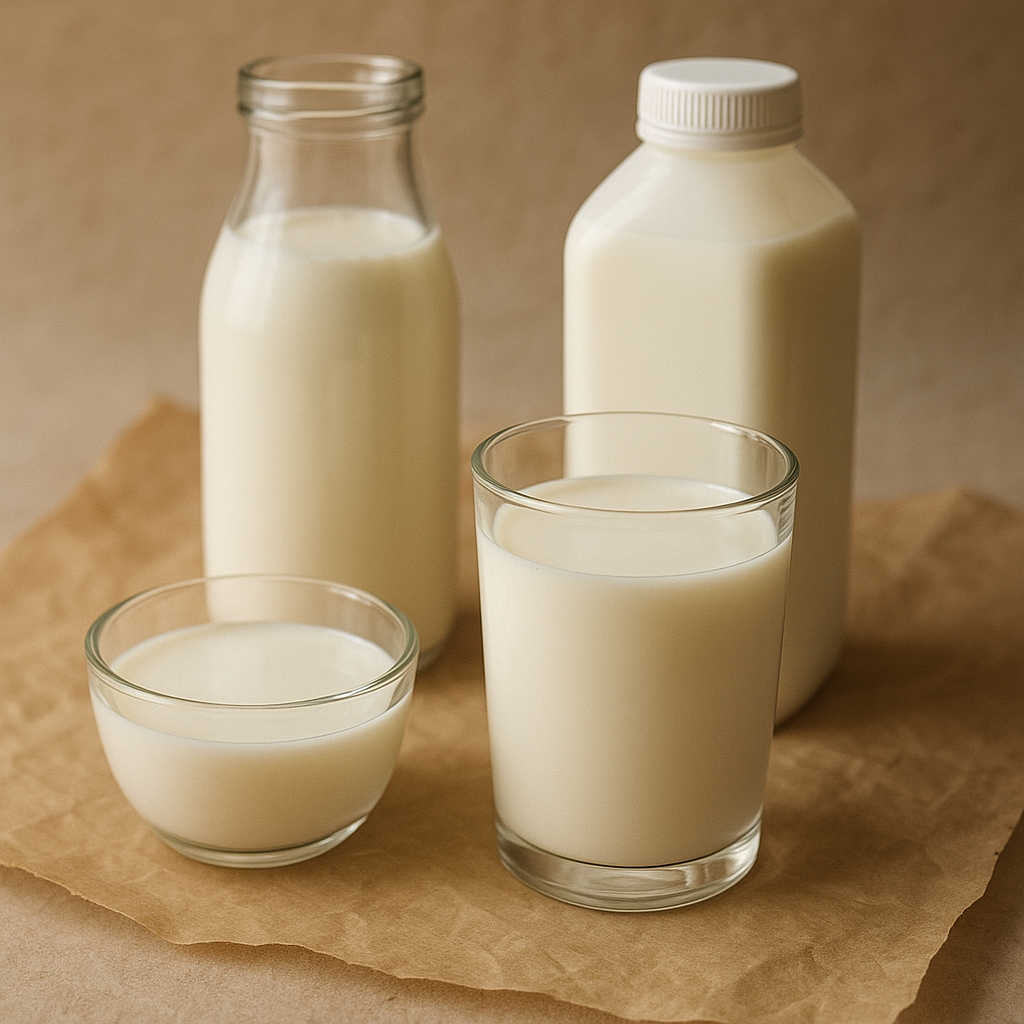
What it is
This is a dairy product made from skim milk that has been fermented by lactic acid bacteria. The culturing process gives it a tangy flavor and a smooth, creamy texture. It is a low-fat alternative to traditional buttermilk, offering the same culinary benefits without the added fat content. The live and active cultures contribute to its unique characteristics, making it a versatile ingredient in various recipes.
How people cook with it
Cultured nonfat buttermilk is a staple in many kitchens, prized for its ability to tenderize baked goods and add a pleasant tang.
- Baking tender cakes and biscuits
- Marinating poultry and meats
- Creating creamy salad dressings
- Making pancakes and waffles
In baking, it reacts with leavening agents like baking soda to create a lighter, fluffier texture in items such as pancakes, biscuits, and muffins. Its acidity also helps to tenderize the proteins in meat, making it an excellent choice for marinades. You can also use it as a base for creamy dressings and dips, or simply enjoy it as a refreshing beverage. Its smooth consistency blends well into batters and sauces, adding depth of flavor without heaviness.
How it differs from similar foods
Unlike regular milk, cultured nonfat buttermilk has a distinct sour taste due to the fermentation process. It is also thicker and has a higher acidity, which is key for its leavening properties in baking and its tenderizing effects on proteins.
Who it is for
Home cooks and professional bakers often reach for this ingredient to achieve specific textures and flavors in their dishes.
How to keep the rest
To keep the remaining cultured nonfat buttermilk fresh, ensure the container is tightly sealed and store it in the refrigerator. It should be consumed before the expiration date indicated on the packaging for optimal quality and taste. Proper storage helps maintain its tangy flavor and smooth consistency.