
Kemps, Kemps Llc
Kemps Cultured Lowfat Buttermilk
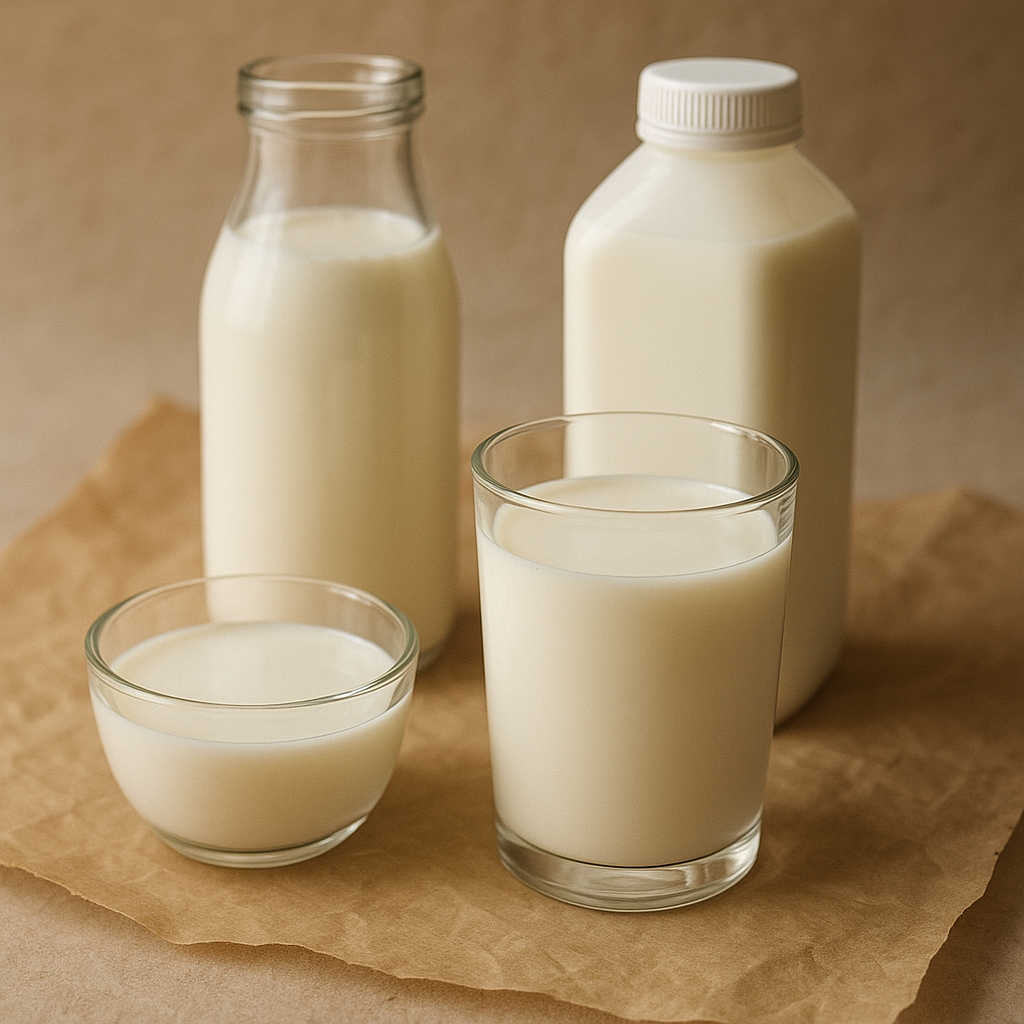
What it is
This is a dairy beverage made from milk that has undergone a fermentation process. Cultures of bacteria are added to milk, which then thickens and develops a tangy flavor. It is a lowfat version, meaning it contains a reduced amount of milk fat compared to whole buttermilk. This product is a staple in many kitchens for both baking and drinking.
How people cook with it
Buttermilk adds a unique flavor and texture to a wide variety of dishes. It is especially popular in baking and for marinades.
- Baking pancakes and waffles
- Marinating chicken and pork
- Making biscuits and scones
- Adding to salad dressings
In baking, buttermilk reacts with leavening agents like baking soda to create a tender crumb and a slight tang. Its acidity helps to tenderize meats when used as a marinade, resulting in a more succulent final product. It can also be enjoyed on its own as a refreshing drink. For dressings, it provides a creamy base with a pleasant sharpness that complements other ingredients.
How it differs from similar foods
Cultured buttermilk differs from traditional buttermilk, which was the liquid left over from churning butter. Modern cultured buttermilk is intentionally soured with specific bacterial cultures, giving it a consistent tang and thickness. The lowfat aspect means it has less fat than whole milk buttermilk.
Who it is for
Home cooks and bakers who appreciate the distinct flavor and tenderizing qualities of cultured dairy products will find this useful.
How to keep the rest
After opening, store the remaining buttermilk in its original container in the refrigerator. Ensure the lid is tightly sealed to maintain freshness and prevent spoilage. It is best to consume it within the recommended timeframe after opening for optimal quality.