
Grocery
Duck Leg Confit
What it is
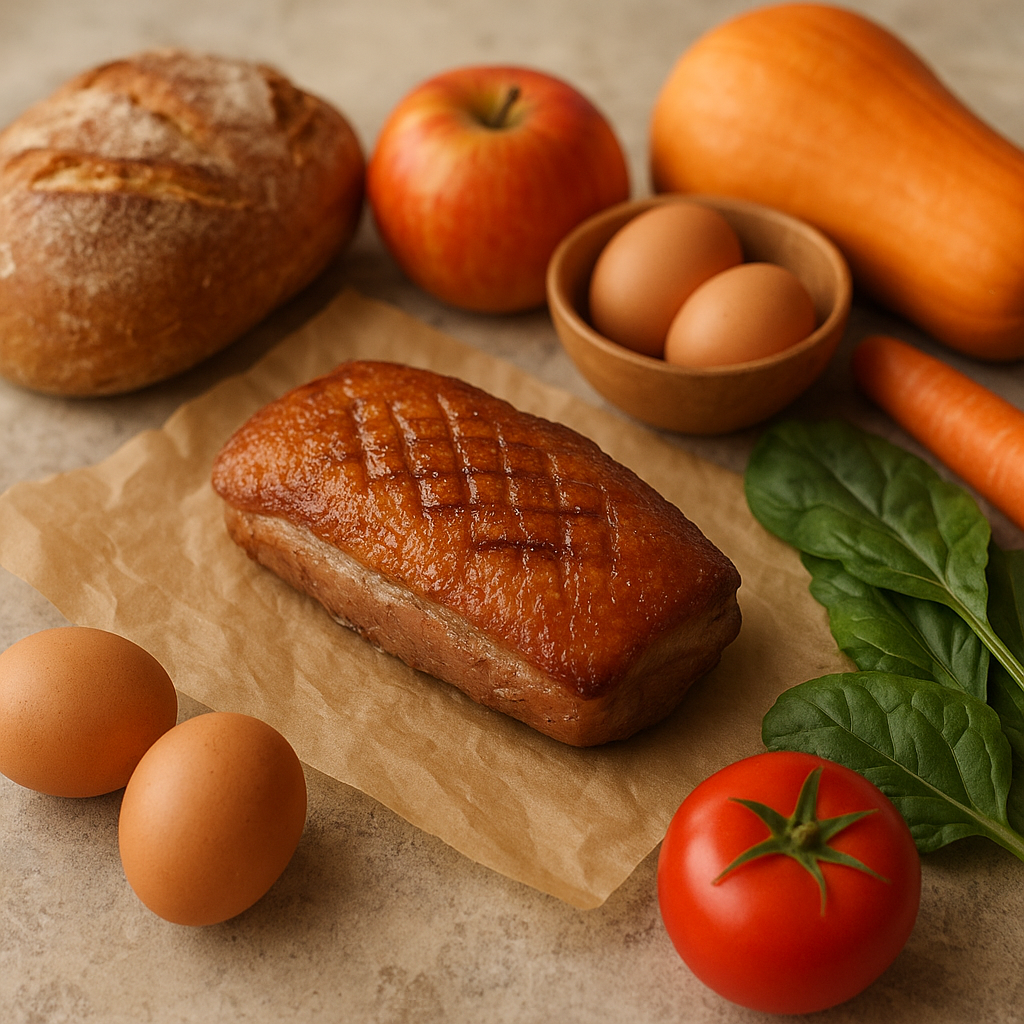
This is a duck leg that has been cured and then slow-cooked in its own fat. This traditional French cooking method, known as confit, results in exceptionally tender and flavorful meat. The duck leg is typically seasoned with salt, herbs, and spices before the slow cooking process. The fat acts as a preservative and tenderizer, creating a rich, succulent texture that is distinct from other forms of cooked duck. It is a classic preparation that highlights the natural richness of the duck.
How people cook with it
Duck leg confit is a versatile ingredient that can be used in a variety of dishes, from simple weeknight meals to more elaborate culinary creations.
- Pan-seared for a crispy skin
- Shredded for salads or sandwiches
- Added to stews and braises
- Served with roasted vegetables
To prepare duck leg confit, the most common method is to gently reheat it to achieve a crispy exterior and tender interior. You can pan-sear the leg, skin-side down, in a skillet over medium heat until the skin is golden brown and crisp. Alternatively, you can bake it in the oven. The rendered duck fat can be reserved and used for other cooking purposes, such as roasting potatoes or other vegetables, adding a unique depth of flavor. The meat itself is already cooked and incredibly tender, so the reheating process focuses on texture and temperature.
How it differs from similar foods
Unlike roasted duck, confit is cooked slowly in its own fat, which imparts a distinct richness and moisture. This process also tenderizes the meat to an unparalleled degree, making it fall off the bone. The curing step before cooking also contributes to its unique flavor profile and preservation.
Who it is for
Home cooks looking to prepare classic French dishes or add a touch of gourmet flair to their meals.
How to keep the rest
Unopened duck leg confit can be stored in its original packaging in a cool, dark place. Once opened, transfer any remaining duck leg and fat to an airtight container and refrigerate. The fat will solidify and can help preserve the meat for several days. Ensure it is properly sealed to maintain freshness.