
Grocery
Crumbled Blue Cheese
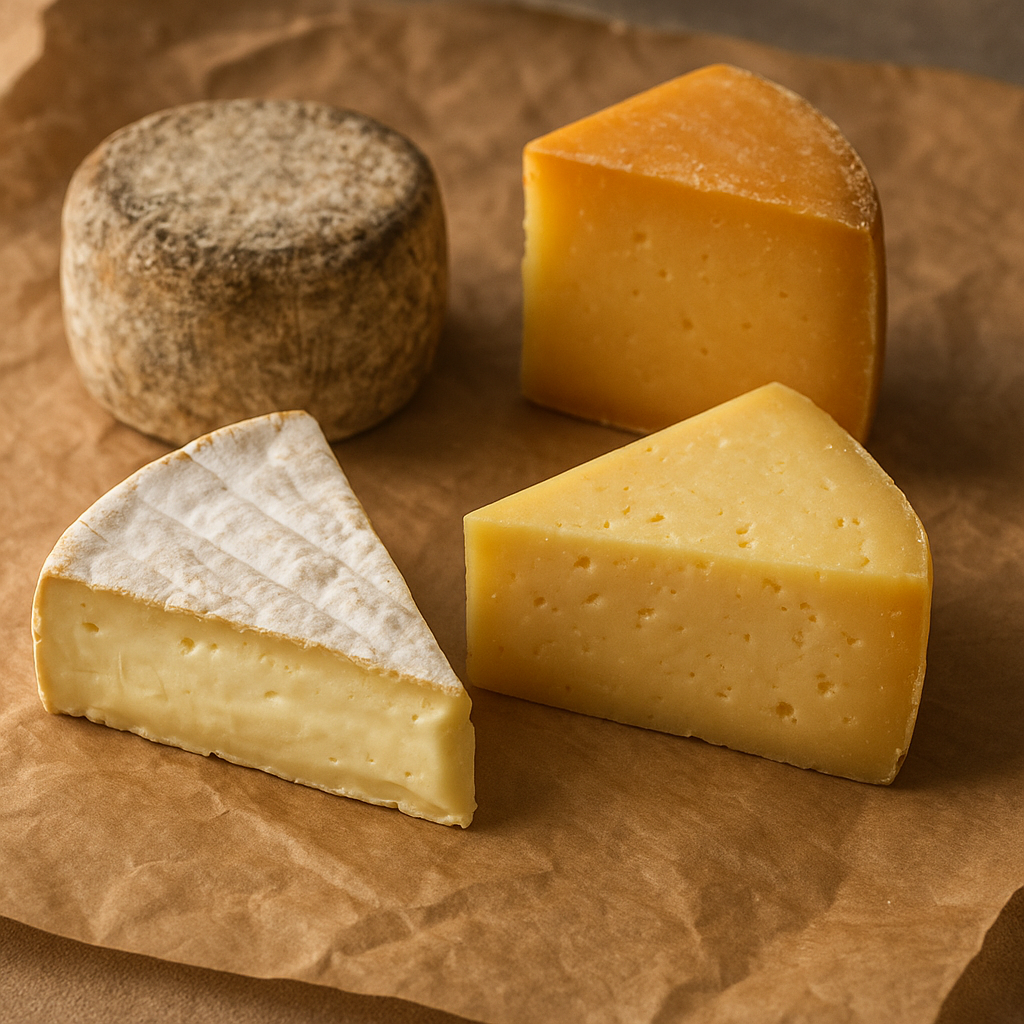
What it is
This is a type of cheese that has been inoculated with the mold Penicillium roqueforti or Penicillium glaucum. The mold creates distinctive blue or green veins throughout the cheese, giving it a sharp, tangy, and sometimes pungent flavor. It is typically made from cow's milk or sheep's milk. The cheese is often crumbly in texture, making it easy to incorporate into various dishes. Its unique aroma and taste are a result of the aging process and the specific mold cultures used.
How people cook with it
Crumbled blue cheese is a versatile ingredient that adds a bold flavor to both savory and sweet preparations.
- Topping for salads
- Filling for pastries
- Sauce ingredient
- Flavoring for dips
The crumbled form of blue cheese makes it incredibly easy to use directly from the container. Sprinkle it generously over a mixed green salad with walnuts and a vinaigrette for a classic combination. It can be melted into a creamy sauce to serve with steak or pasta, or stirred into a béchamel for a rich gratin. For appetizers, it works well folded into puff pastry or mixed into a dip with cream cheese and herbs. Its intense flavor means a little goes a long way in enhancing dishes.
How it differs from similar foods
Unlike milder cheeses, crumbled blue cheese offers a pronounced, sharp, and tangy flavor profile due to the presence of specific mold cultures. Its texture is often more crumbly and less uniform than block cheeses, which can be advantageous for even distribution in recipes. The characteristic blue veins are its most visually distinct feature.
Who it is for
Home cooks and professional chefs alike use crumbled blue cheese to elevate their culinary creations.
How to keep the rest
To maintain its freshness and prevent drying out, store any remaining crumbled blue cheese in its original packaging or an airtight container. Keep it refrigerated. It is best consumed within a few days of opening for optimal flavor and texture. Avoid exposing it to excessive moisture or strong odors.