
Grocery
Crumbled Blue Cheese
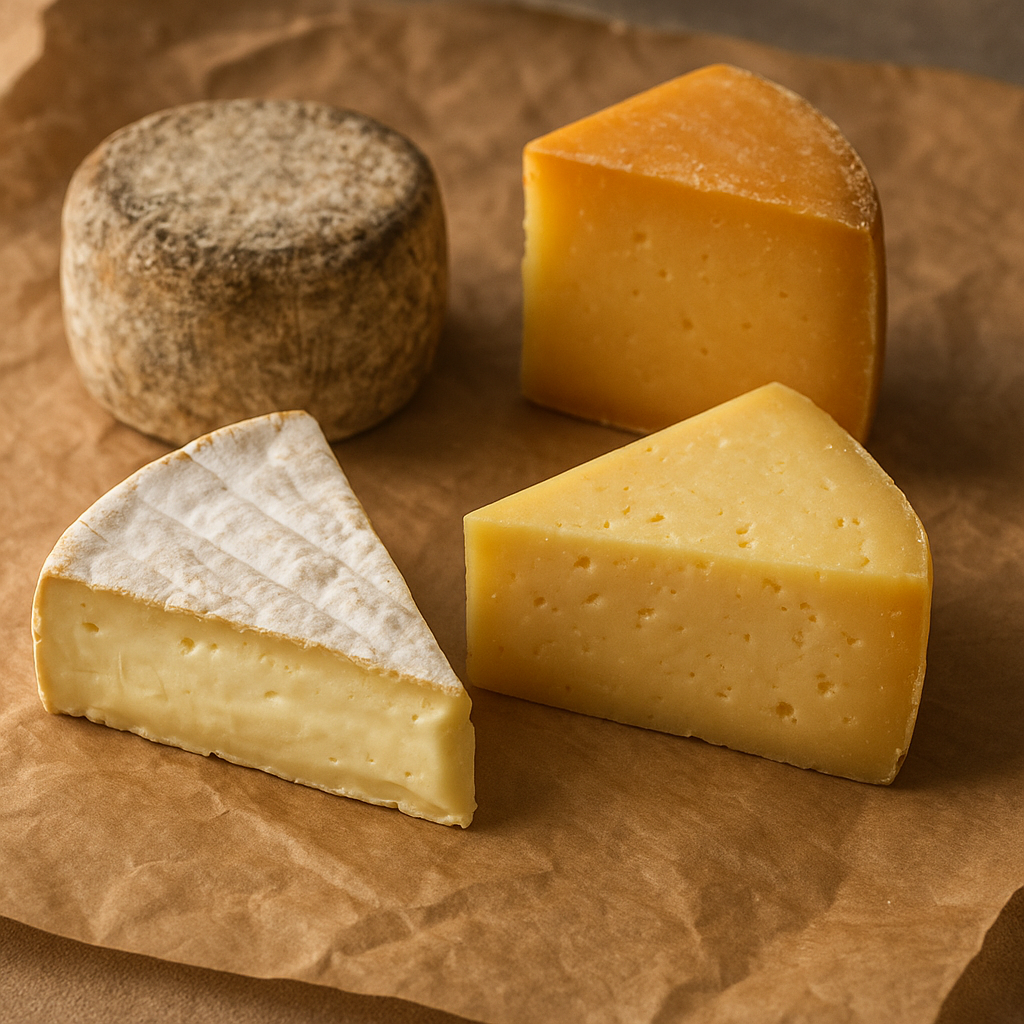
What it is
This is a type of cheese known for its distinct blue or green veins and pungent aroma. The cheese is typically made from cow's milk, though sheep or goat milk can also be used. It undergoes a process where a specific mold, Penicillium roqueforti, is introduced, creating the characteristic marbling and sharp flavor. The texture can range from crumbly to creamy, depending on the specific variety and aging process. This version comes pre-crumbled for convenience.
How people cook with it
Crumbled blue cheese adds a bold flavor to a variety of dishes. It is often used as a topping or incorporated directly into recipes.
- Salad topping
- Burger enhancement
- Dip ingredient
- Sauce flavor
Sprinkle the crumbled blue cheese over salads, especially those with fruits like pears or apples, or with nuts. It melts beautifully when added to warm dishes, such as pasta sauces or on top of grilled steaks and burgers. It can also be blended into dips and dressings for a tangy kick. For a simple appetizer, serve it with crackers or crusty bread. Its strong flavor means a little often goes a long way in enhancing other ingredients.
How it differs from similar foods
Unlike milder cheeses, blue cheese has a sharp, tangy, and sometimes spicy taste due to the specific mold used in its production. Its visual appearance is also unique, with the characteristic blue-green veining distinguishing it from cheeses like cheddar or mozzarella.
Who it is for
Home cooks and professional chefs alike use crumbled blue cheese to elevate the flavor profile of their culinary creations.
How to keep the rest
After opening, store any remaining crumbled blue cheese in an airtight container in the refrigerator. This helps to maintain its freshness and prevent it from drying out. It is best consumed within a few days of opening for optimal flavor.