
H-E-B
H-E-B Cranberry Juice
What it is
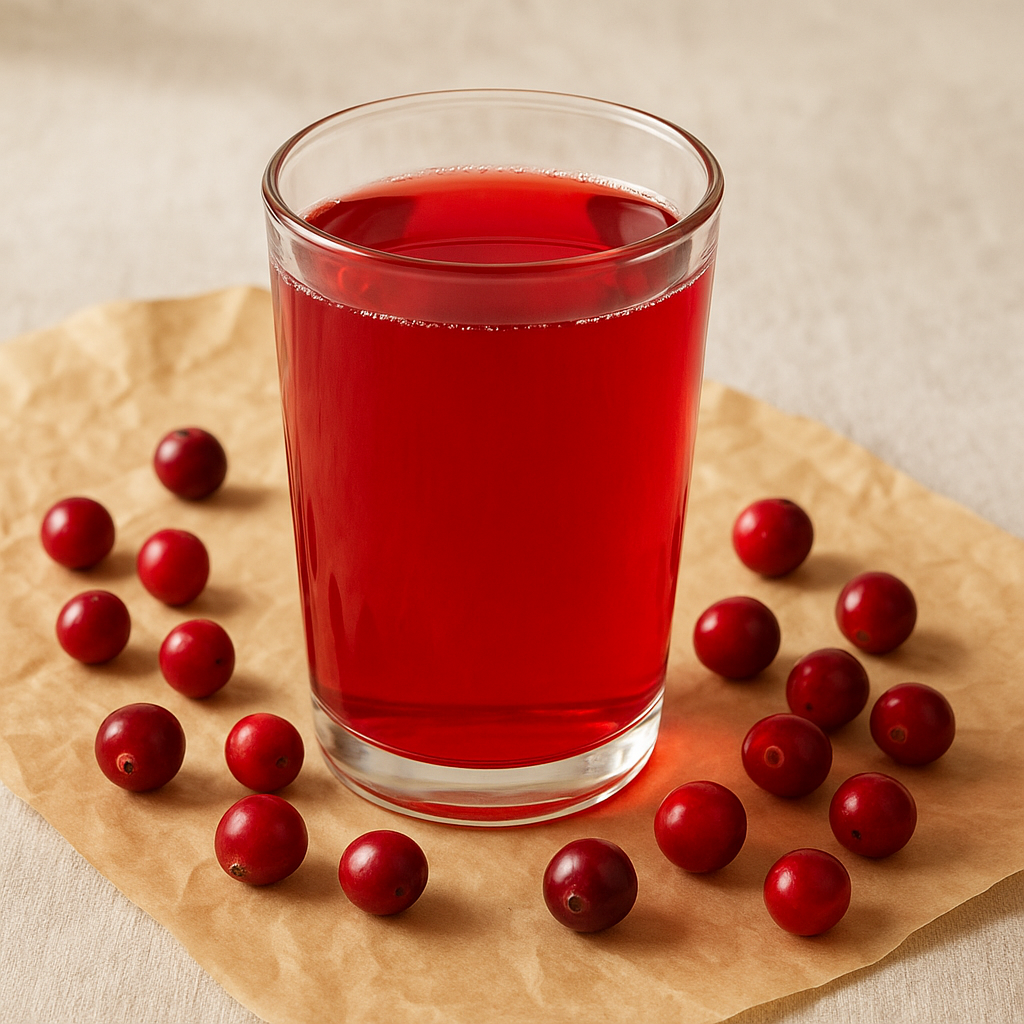
This is a bottled beverage made from cranberries. Cranberries are small, tart berries that grow on vines. The juice is typically made by processing the cranberries to extract their liquid. It has a distinctively sharp and slightly bitter flavor profile. This juice is often enjoyed for its refreshing taste and its characteristic ruby-red color. It is a popular choice for those who appreciate the natural essence of cranberries.
How people cook with it
Cranberry juice is versatile and can be enjoyed in many ways. It's a staple in many kitchens for both drinking and cooking.
- Drinking straight from the bottle
- Mixing into cocktails
- Using as a base for sauces
- Adding to baked goods
Cranberry juice can be consumed chilled as a refreshing drink on its own. It is also frequently used as a mixer in alcoholic and non-alcoholic beverages, pairing well with spirits like vodka and gin, or with sparkling water for a lighter option. In cooking, it can be reduced to create a tangy glaze for meats or poultry. It also adds a bright, tart note to marinades and salad dressings. Bakers sometimes incorporate it into cakes, muffins, or as a filling for pastries, where its acidity can complement sweetness.
How it differs from similar foods
Compared to other fruit juices, cranberry juice is notably more tart and less sweet. Its flavor is more astringent, meaning it can leave a slightly dry sensation in the mouth. This tartness makes it a good counterpoint to richer flavors in both sweet and savory dishes, unlike milder, sweeter juices.
Who it is for
Home cooks and beverage enthusiasts often keep this juice on hand for various culinary and drinking purposes.
How to keep the rest
After opening, refrigerate the cranberry juice to maintain its freshness. Ensure the cap is tightly sealed to prevent spoilage and preserve its flavor. It is best consumed within the recommended timeframe after opening, typically a week or two, to enjoy its optimal taste and quality.