
U
U Pork Neck Chops
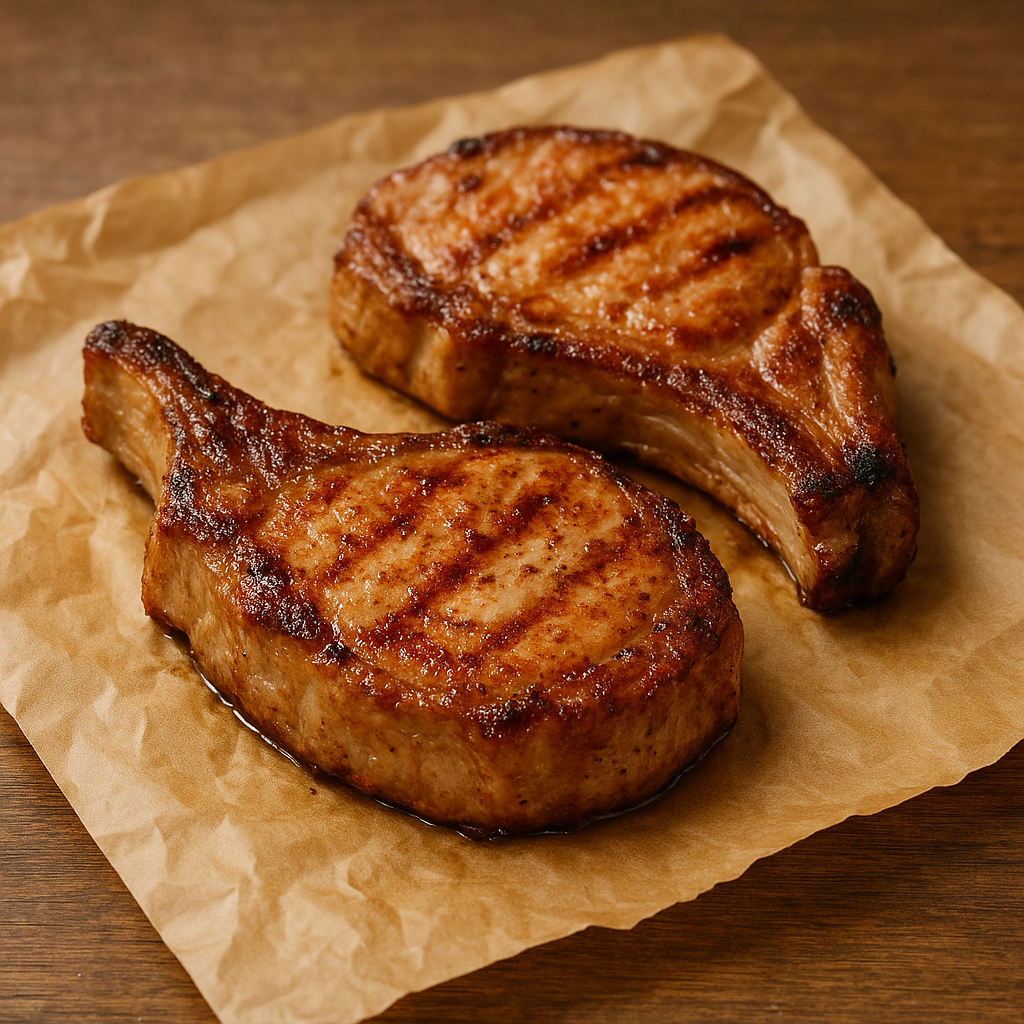
What it is
These are cuts of pork taken from the neck or shoulder area of the pig. This part of the animal is known for its good balance of meat and fat, which contributes to its flavor and tenderness when cooked. The chops are typically cut to a moderate thickness, suitable for various cooking methods. They are a common offering in butcher shops and grocery stores.
How people cook with it
Pork neck chops are versatile and can be prepared in many ways to suit different tastes and meal occasions.
- Pan-seared for a quick meal
- Braised until tender
- Grilled for smoky flavor
- Added to stews
To cook these pork neck chops, you can start by searing them in a hot pan with a little oil or butter until they develop a nice brown crust on both sides. This helps to lock in the juices. For a more tender result, you can then reduce the heat and continue cooking them slowly, perhaps with some added liquid like broth or wine, allowing them to braise. Alternatively, they can be seasoned and cooked on a grill or in the oven. Ensure they reach an internal temperature of 145°F (63°C) for safe consumption.
How it differs from similar foods
Compared to pork loin chops, pork neck chops generally have more marbling, meaning more intramuscular fat. This higher fat content makes them more forgiving during cooking, less likely to dry out, and often results in a richer, more succulent flavor. They may also have a slightly firmer texture.
Who it is for
Home cooks looking for flavorful and tender pork cuts for everyday meals.
How to keep the rest
Refrigerate any unused portion of the pork neck chops promptly. Store them in their original packaging or transfer them to an airtight container or resealable bag. It is best to use them within a few days of purchase to maintain freshness and quality. Proper refrigeration is key to food safety.