
Grocery
Confectioners Sugar
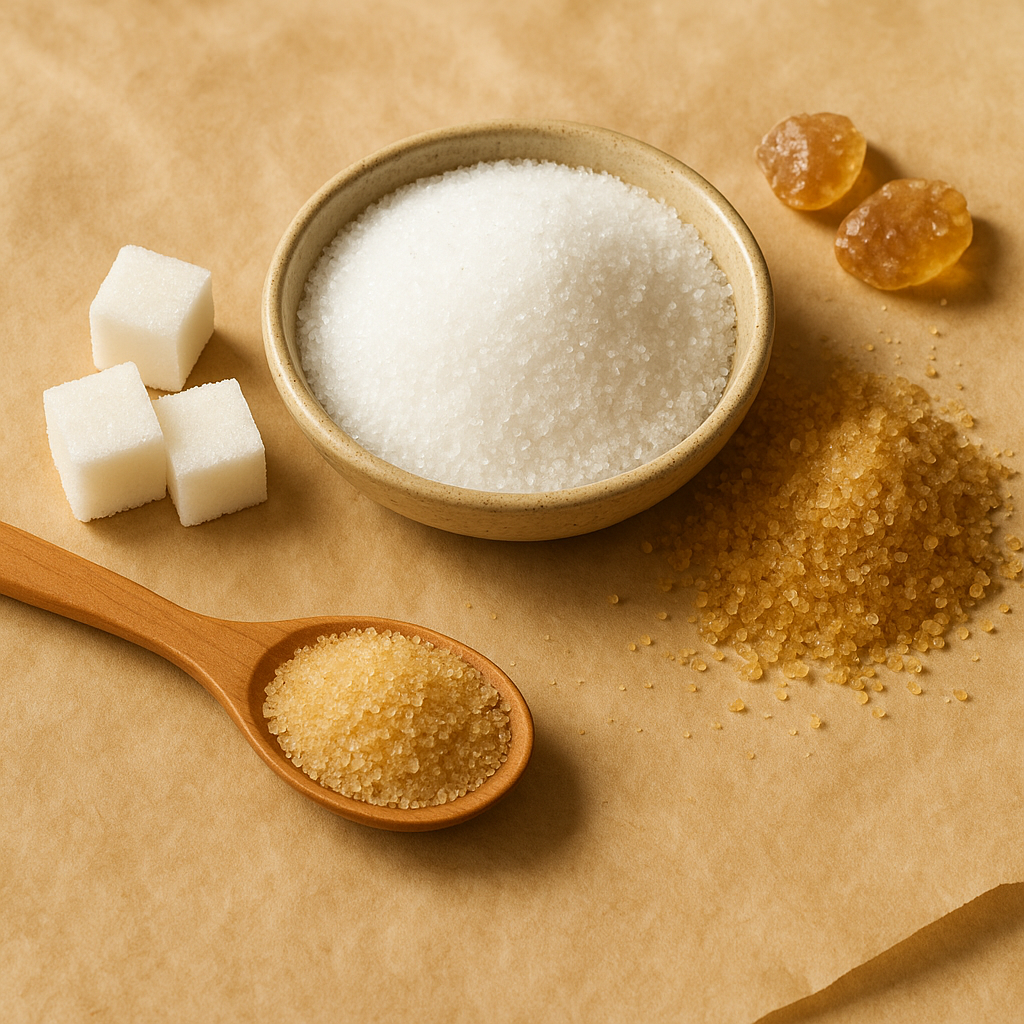
What it is
Confectioners sugar, also known as powdered sugar or icing sugar, is a finely ground granulated sugar. It is made by milling granulated sugar into a powder. A small amount of cornstarch is typically added to prevent clumping and ensure a smooth texture. This fine consistency is what makes it ideal for certain culinary applications where a smooth, melt-in-your-mouth texture is desired. It dissolves easily and creates a silky finish.
How people cook with it
This sugar is a staple for creating smooth frostings and delicate baked goods. Its fine texture allows for easy incorporation into recipes.
- Smooth frostings
- Delicate cookies
- Glazes
- Dusting baked goods
Confectioners sugar is primarily used in recipes that require a smooth, lump-free finish. It is essential for making royal icing, buttercream, and glazes that need to set with a satiny sheen. It can also be sifted over cakes, cookies, and pastries as a decorative dusting. Because it is so finely milled, it blends seamlessly into liquids and fats, creating a smooth base for icings and fillings. It is not typically used for sweetening beverages or in recipes where the grittiness of granulated sugar is desired.
How it differs from similar foods
Unlike granulated sugar, confectioners sugar is extremely fine, almost like a powder. This difference in texture means it dissolves much more readily and creates a smooth, non-gritty consistency in frostings and glazes. Granulated sugar, with its larger crystals, would result in a coarser texture in these applications.
Who it is for
Bakers and home cooks often use confectioners sugar for its smooth texture in desserts.
How to keep the rest
To keep confectioners sugar fresh and free-flowing, store it in an airtight container in a cool, dry place. Ensure the container is sealed tightly to prevent moisture from entering, which can cause the sugar to clump. If clumping does occur, it can often be broken up with a whisk or sifter.